
As November marks National Family Caregivers Month, new data from the American Association of Retired Persons is shedding light on the enormous—and often overlooked—role of unpaid caregivers in California and across the country.AARP’s latest report paints one of the clearest pictures yet of who America’s caregivers are, what they sacrifice, and the growing support they urgently need.From managing medications and medical appointments to shopping, transportation and daily personal care, family caregivers shoulder responsibilities that can be as demanding as full-time jobs—often without pay, training or emotional support.California caregivers carry a heavy loadAccording to the new findings, 23% of adults in California provide unpaid care to a family member or loved one with a chronic illness, disability or age-related need.That reflects a nationwide trend: One in five adults in the U.S. now serves as a family caregiver.The financial impact is significant.Nationally, 80% of caregivers spend money out of their own pockets, averaging $7,200 a year—roughly 25% of their income—to cover the needs of the person they care for.Many report draining savings, taking on debt or struggling to afford basics like food, utilities and medication.Balancing work and caregivingThe pressures extend beyond finances.Many caregivers juggle full-time jobs with caregiving duties, often forced to reduce work hours, take unpaid leave or leave the workforce entirely.As California’s population continues to age, experts warn that the demand for caregiving is expected to rise sharply, increasing pressure on already strained families.Caregiver health is decliningCaregiving can be rewarding, but it can also take an emotional, physical and mental toll, especially around the holidays.This level of strain is often associated with caregiver burnout, a state of exhaustion that occurs when the demands of caring for someone else become overwhelming.Burnout can lead to anxiety, depression, chronic fatigue, weakened immune function and other long-term health issues if caregivers are unable to take breaks or access support.Dr. Michel Medina, a Kaiser Permanente neuropsychiatrist, joined KCRA 3 on Tuesday morning to discuss caregiver burnout and offered some advice to cope.See more coverage of top California stories here | Download our app | Subscribe to our morning newsletter | Find us on YouTube here and subscribe to our channel
SACRAMENTO, Calif. —
As November marks National Family Caregivers Month, new data from the American Association of Retired Persons is shedding light on the enormous—and often overlooked—role of unpaid caregivers in California and across the country.
AARP’s latest report paints one of the clearest pictures yet of who America’s caregivers are, what they sacrifice, and the growing support they urgently need.
From managing medications and medical appointments to shopping, transportation and daily personal care, family caregivers shoulder responsibilities that can be as demanding as full-time jobs—often without pay, training or emotional support.
California caregivers carry a heavy load
According to the new findings, 23% of adults in California provide unpaid care to a family member or loved one with a chronic illness, disability or age-related need.
That reflects a nationwide trend: One in five adults in the U.S. now serves as a family caregiver.
The financial impact is significant.
Nationally, 80% of caregivers spend money out of their own pockets, averaging $7,200 a year—roughly 25% of their income—to cover the needs of the person they care for.
Many report draining savings, taking on debt or struggling to afford basics like food, utilities and medication.
Balancing work and caregiving
The pressures extend beyond finances.
Many caregivers juggle full-time jobs with caregiving duties, often forced to reduce work hours, take unpaid leave or leave the workforce entirely.
As California’s population continues to age, experts warn that the demand for caregiving is expected to rise sharply, increasing pressure on already strained families.
Caregiver health is declining
Caregiving can be rewarding, but it can also take an emotional, physical and mental toll, especially around the holidays.
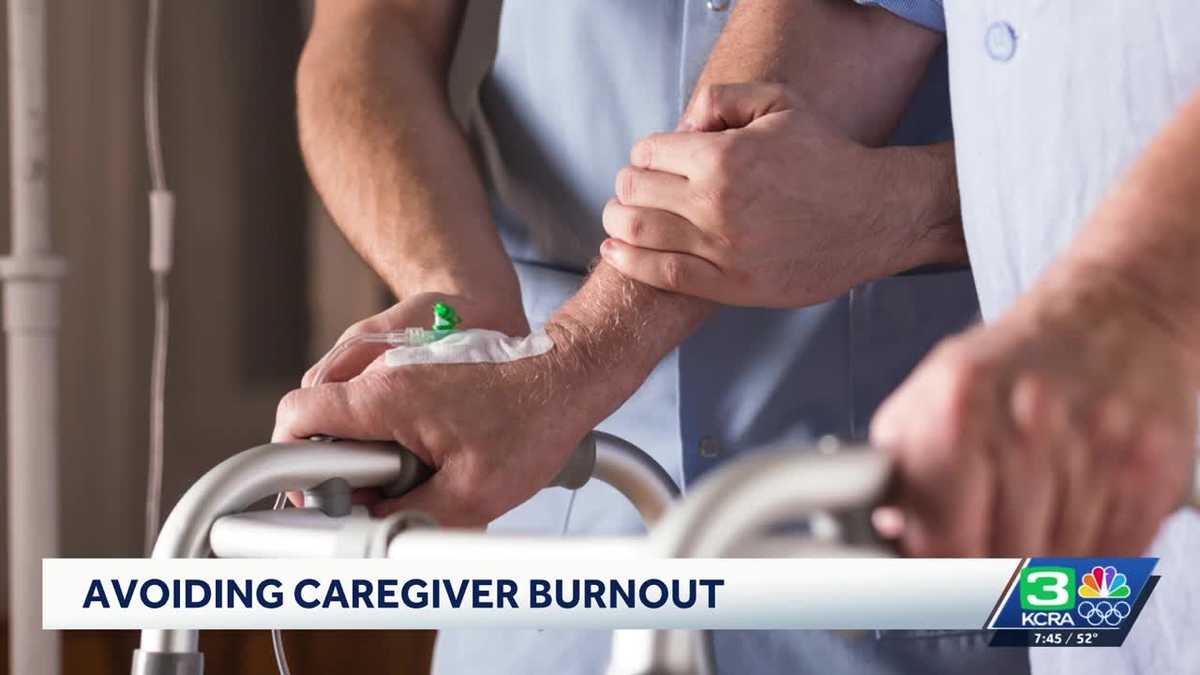
This level of strain is often associated with caregiver burnout, a state of exhaustion that occurs when the demands of caring for someone else become overwhelming.
Burnout can lead to anxiety, depression, chronic fatigue, weakened immune function and other long-term health issues if caregivers are unable to take breaks or access support.
Dr. Michel Medina, a Kaiser Permanente neuropsychiatrist, joined KCRA 3 on Tuesday morning to discuss caregiver burnout and offered some advice to cope.
See more coverage of top California stories here | Download our app | Subscribe to our morning newsletter | Find us on YouTube here and subscribe to our channel