
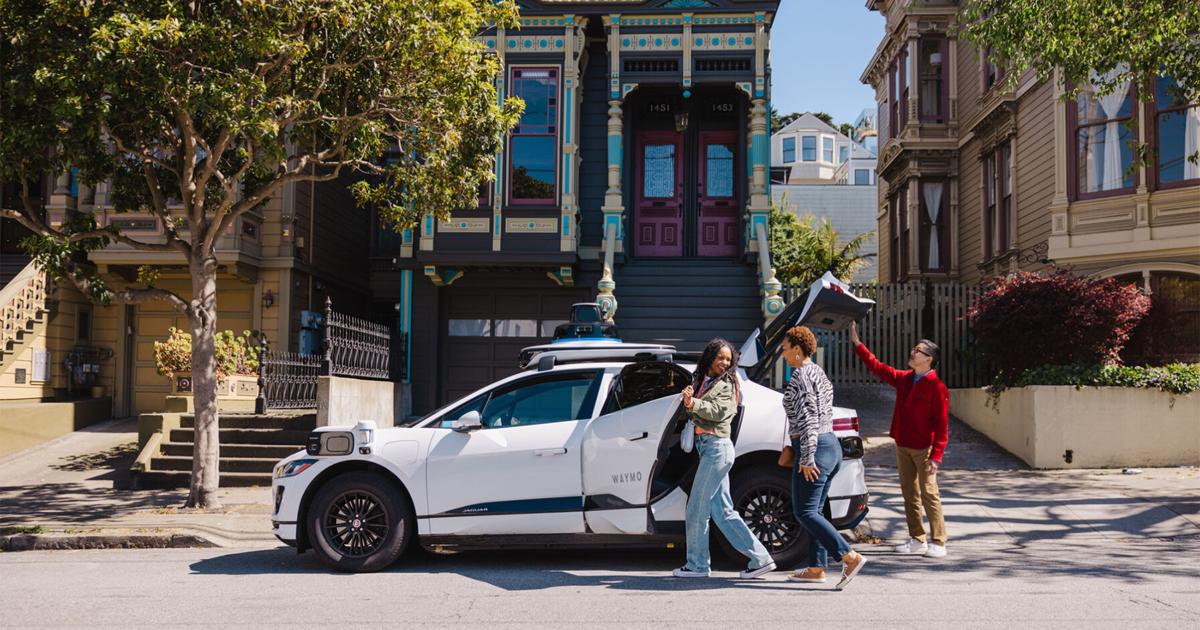
California’s Department of Motor Vehicles, or DMV, approved Berkeley and Oakland, along with other cities in Alameda and other California counties, to serve as driverless testing and deployment areas for Waymo.
Waymo, a Bay Area-based autonomous vehicle company, would be allowed to use two of its models, the Jaguar I-Pace and the Zeekr RT, in the approved cities. The vehicles are all-electric and outfitted with sensors, cameras, radar and lidar technology. Both models are approved for use 24/7.
“We appreciate the DMV’s approval of our expanded fully autonomous operations,” said a Waymo spokesperson in an email. “We’re proud to provide over one million safe, reliable, magical rides every month in San Francisco and Los Angeles, and we’re looking forward to opening our service to more Californians.”
However, for Waymo to get its vehicles on the road, it must also obtain a permit from the California Public Utilities Commission, or CPUC.
According to the CPUC website, companies that wish to transport members of the public in an autonomous vehicle on California’s public roads must possess a prerequisite Autonomous Vehicle Testing or Deployment Permit from the DMV, complete at least 30 days of operation under such permits and obtain Charter-Party Carrier authority from the CPUC, among other requirements.
“In order to expand its fared driverless passenger service into the expanded (Operational Design Domain) recently approved by the DMV, Waymo will need to submit an updated Passenger Safety Plan as a Tier 2 Advice Letter,” said CPUC Director of Strategic Communications Terrie Prosper in an email.
The potential expansion of Waymo to the East Bay comes at a time of contention after a bodega cat in San Francisco named Kit Kat was killed by one of the company’s vehicles in October. The death has invoked actions from Waymo critics such as Jackie Fielder, a San Francisco supervisor who represents the Mission District. After the cat’s death,Fielder introduced a city resolution that calls for the California Legislature to put the question of where driverless cars can operate into the hands of voters.
Others have argued that Waymo vehicles eliminate jobs, steal riders from public transit and reduce chances for accountability after instances such as Kit Kat’s death.
However, Waymo’s response to the situation, based on a manuscript for Traffic Injury Prevention, claims that its cars have reported 91% fewer crashes with airbag deployment compared to human drivers covering the same distance in the same cities. The company also has proponents, including San Francisco Mayor Daniel Lurie, who has been vocal about expanding Waymo use in the region.
“We want to serve more Californians in the future, and obtaining these amended permits is essential to that goal,” the Waymo spokesperson said.