
 The Sacramento City Council will soon vote on legalizing the distribution of comics in the city, overturning a 75-year-old ban that has not been enforced in decades. The proposed order, which was approved by the council’s Law and Legislation Committee on November 18, would also designate the third week in September as “Sacramento Comic Book Week.”
“For me, it’s a slam dunk,” Councilmember Phil Pluckeman, a co-sponsor of the repeal, told KCRA. “I’ve been reading comic books my whole life. I’m a big fan. This is an area we should be celebrating and investing in, not trying to suppress.”
The repeal was proposed by comics creator Eben Burgoon. “These antiquated laws kind of set up this jeopardy where bad actors could work hard to make this medium imperiled,” he said at the committee hearing, according to the Sacramento Observer. Burgoon works with nonprofits and educational organizations to promote comics and literacy, organizes the city’s annual Crocker Con, and is the creator of Eben 07: Covert Custodian and B-Squad: Soldiers of Misfortune.
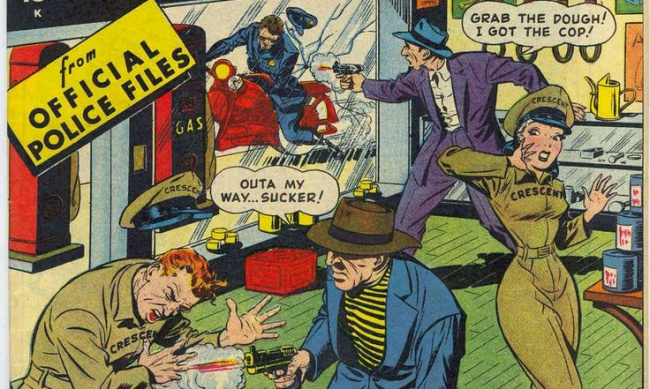
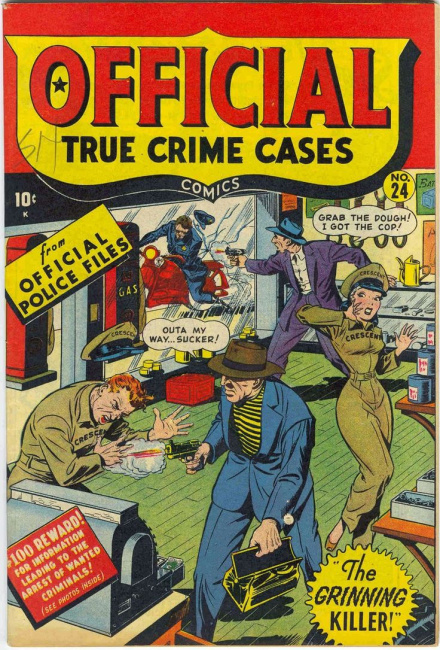
The ordinance passed by the Sacramento City Council in February 1949 specifically targeted distributors. An earlier attempt that would have banned the sale of comics to minors was dropped after pushback from drugstore and magazine stand owners, who protested that they received comics on consignment and didn’t know what was in them until they were delivered.
The final ordinance prohibited the distribution, “ultimately for use by children under the age of 18 years,” of comic books that depict crimes, with penalties up to a $500 fine and six months in prison. The law specifically exempted newspaper comic sections as well as “actual accounts of crime [or] the drawings or photographs used to illustrate such accounts, which are a part of the general dissemination of news.” The comics were to be screened by a women’s committee, previously appointed by the mayor, but after a few months the task was handed off to local policewomen.
“The ordinance places powers in the hands of government which could easily be distorted,” the Sacramento Union editorialized at the time. “We have eliminated the evil of bad comic books by establishing a new evil dangerous to one of our basic freedoms.”
The law, one of a series of similar bans passed throughout the country at the time. has not been enforced since at least 1959, when the California Supreme Court overturned a similar ordinance in Los Angeles County. In that case, Katzev v. County of Los Angeles, several magazine wholesalers filed a lawsuit asking the court to declare the ordinance was unconstitutional. When the superior court dismissed the lawsuit, in March 1959, Los Angeles County Counsel Harold W. Kennedy observed that this was the first time a comics ban had been upheld by an appellate court. However, the Supreme Court later reversed the lower court, saying that a legislature cannot prohibit a publication unless it poses a “clear and present danger” and that the ordinance in question was too vague and placed too much of a burden on the sellers of the material.