
California’s first-in-the-nation Fast Food Council, which was created to bargain the working conditions and wages for fast food workers across the state, has quietly been without a leader since May. Nick Hardeman, the council’s first chairman, resigned on May 22, Gov. Gavin Newsom’s office confirmed Tuesday. The governor’s spokesman Izzy Gardon told KCRA 3 that Newsom appointed Hardeman to the California Housing Finance Agency’s Board of Directors the same day he resigned from the council.(Previous coverage above: Takeaways from California’s second fast food council meeting.)Hardeman’s absence was not publicly noticeable, because the council has not met since February. Meeting records show Hardeman attended two subcommittee meetings in January and February where councilmembers listened to hours of testimony to consider another raise for fast-food workers. The full, nine-member council did not meet at all in 2025, despite the state law that established the council requiring the group meet no less than every six months. The council is made up of four fast food franchisee representatives and four labor representatives. Hardeman had been working in government prior to his appointment to lead the council. Gardon said the governor is reviewing applicants for the vacancy but did not state when it would be filled.California’s Department of Finance confirmed this year’s state budget included $1.1 million for the council to fund four staff positions.California’s Fast Food Council was established through a controversial, last-minute deal in 2023 between major fast-food chains and the labor group, Service Employees International Union California. The deal increased fast food worker wages from $16 an hour to $20 an hour, which took effect in April 2024. The council began meeting in March of 2024 and held five meetings total that year. The group did not make any major decisions and was working on hiring staff at last check. In meetings, the council faced repeated pressure from SEIU to provide workers with another bump in pay.”California’s landmark fast food wage law brought life-changing relief to hundreds of thousands of workers who fought for their rights and dignity to be recognized,” said Tia Orr, the labor group’s executive director. “SEIU California has repeatedly called for the Fast-Food Commission to be staffed and for its vital and groundbreaking work on wages, workplace safety, and workers’ rights to continue. Fast food workers still need a voice and a seat at the table.”KCRA 3 was the first to report that SEIU California required the negotiations of California’s fast food law to be kept secret from the public with the use of non-disclosure agreements. Newsom’s chief of staff at the time, Dana Williamson, oversaw and greenlit SEIU’s use of the NDAs. Newsom’s office has said neither the governor nor anyone in the office signed the agreement. California lawmakers approved the legislation but later admitted they were not included in the negotiations. The NDAs have prevented the public and some fast food franchisees from understanding who exactly the law and the council’s decisions apply to.A mysterious section of the law carves out chains that bake and sell their own bread, but state leaders and the council have struggled to say which chain exactly this is for and why. When KCRA 3 asked Newsom in September of 2023 he said, “it was part of the sausage making.” Other counter service food vendors have been relying on the council to clarify if the law applies to them. Gaby Campbell, a Handel’s Ice Cream Parlor franchisee in Southern California, has been asking for the council’s help for more than a year. “We really do need this clarification,” Campbell told KCRA 3 last summer. See more coverage of top California stories here | Download our app | Subscribe to our morning newsletter | Find us on YouTube here and subscribe to our channel
SACRAMENTO, Calif. —
California’s first-in-the-nation Fast Food Council, which was created to bargain the working conditions and wages for fast food workers across the state, has quietly been without a leader since May.
Nick Hardeman, the council’s first chairman, resigned on May 22, Gov. Gavin Newsom’s office confirmed Tuesday. The governor’s spokesman Izzy Gardon told KCRA 3 that Newsom appointed Hardeman to the California Housing Finance Agency’s Board of Directors the same day he resigned from the council.
(Previous coverage above: Takeaways from California’s second fast food council meeting.)
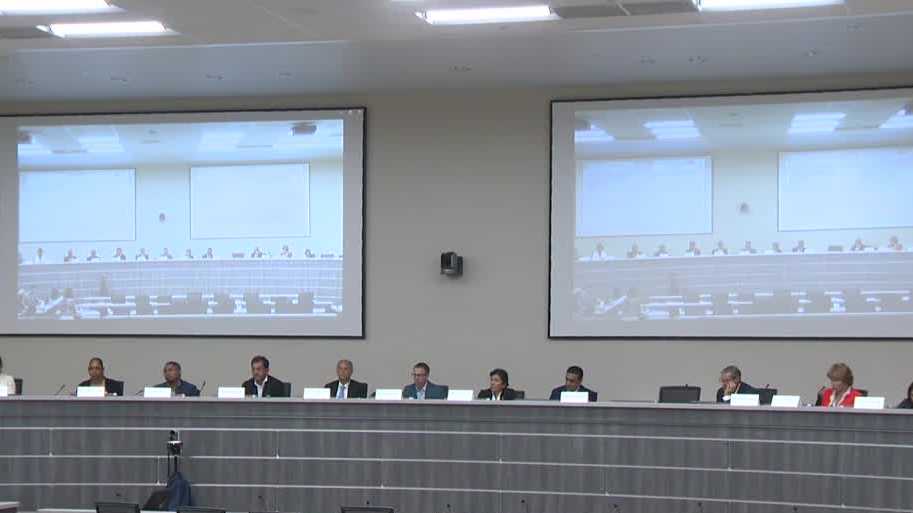
Hardeman’s absence was not publicly noticeable, because the council has not met since February. Meeting records show Hardeman attended two subcommittee meetings in January and February where councilmembers listened to hours of testimony to consider another raise for fast-food workers.
The full, nine-member council did not meet at all in 2025, despite the state law that established the council requiring the group meet no less than every six months. The council is made up of four fast food franchisee representatives and four labor representatives. Hardeman had been working in government prior to his appointment to lead the council.
Gardon said the governor is reviewing applicants for the vacancy but did not state when it would be filled.
California’s Department of Finance confirmed this year’s state budget included $1.1 million for the council to fund four staff positions.
California’s Fast Food Council was established through a controversial, last-minute deal in 2023 between major fast-food chains and the labor group, Service Employees International Union California. The deal increased fast food worker wages from $16 an hour to $20 an hour, which took effect in April 2024.
The council began meeting in March of 2024 and held five meetings total that year. The group did not make any major decisions and was working on hiring staff at last check. In meetings, the council faced repeated pressure from SEIU to provide workers with another bump in pay.
“California’s landmark fast food wage law brought life-changing relief to hundreds of thousands of workers who fought for their rights and dignity to be recognized,” said Tia Orr, the labor group’s executive director. “SEIU California has repeatedly called for the Fast-Food Commission to be staffed and for its vital and groundbreaking work on wages, workplace safety, and workers’ rights to continue. Fast food workers still need a voice and a seat at the table.”
KCRA 3 was the first to report that SEIU California required the negotiations of California’s fast food law to be kept secret from the public with the use of non-disclosure agreements. Newsom’s chief of staff at the time, Dana Williamson, oversaw and greenlit SEIU’s use of the NDAs. Newsom’s office has said neither the governor nor anyone in the office signed the agreement. California lawmakers approved the legislation but later admitted they were not included in the negotiations.
The NDAs have prevented the public and some fast food franchisees from understanding who exactly the law and the council’s decisions apply to.
A mysterious section of the law carves out chains that bake and sell their own bread, but state leaders and the council have struggled to say which chain exactly this is for and why. When KCRA 3 asked Newsom in September of 2023 he said, “it was part of the sausage making.”
Other counter service food vendors have been relying on the council to clarify if the law applies to them.
Gaby Campbell, a Handel’s Ice Cream Parlor franchisee in Southern California, has been asking for the council’s help for more than a year.
“We really do need this clarification,” Campbell told KCRA 3 last summer.
See more coverage of top California stories here | Download our app | Subscribe to our morning newsletter | Find us on YouTube here and subscribe to our channel