
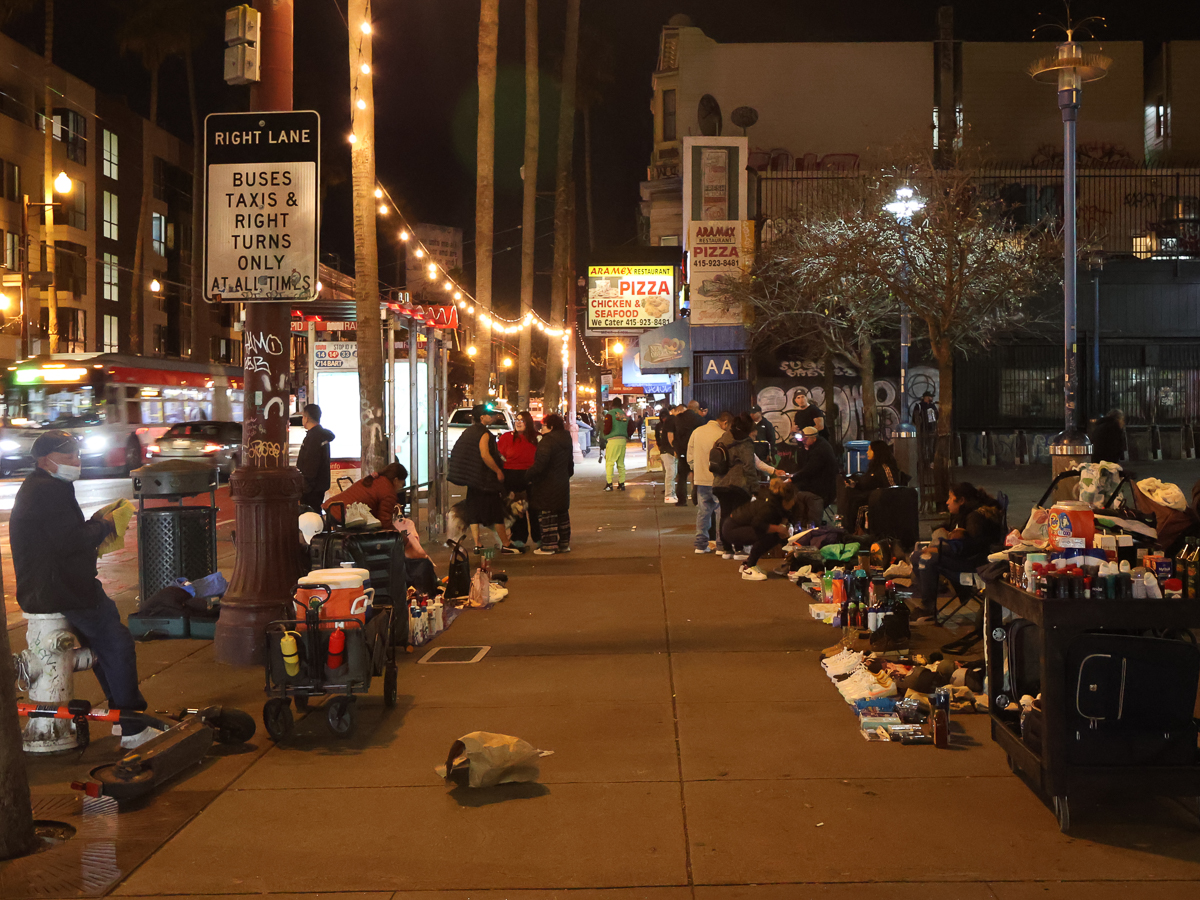
San Francisco supervisors on Tuesday approved a list of commonly stolen goods that the city’s police can now use to cite people suspected of illegal street vending, a pernicious problem for the Mission and other neighborhoods since the pandemic.
“With this vote, San Francisco can finally rein in the sale of stolen goods that has disrupted our streets and pushed out legitimate street vendors,” wrote Sen. Scott Wiener, who authored a state bill clearing the way for street vending enforcement, in a text after the vote.
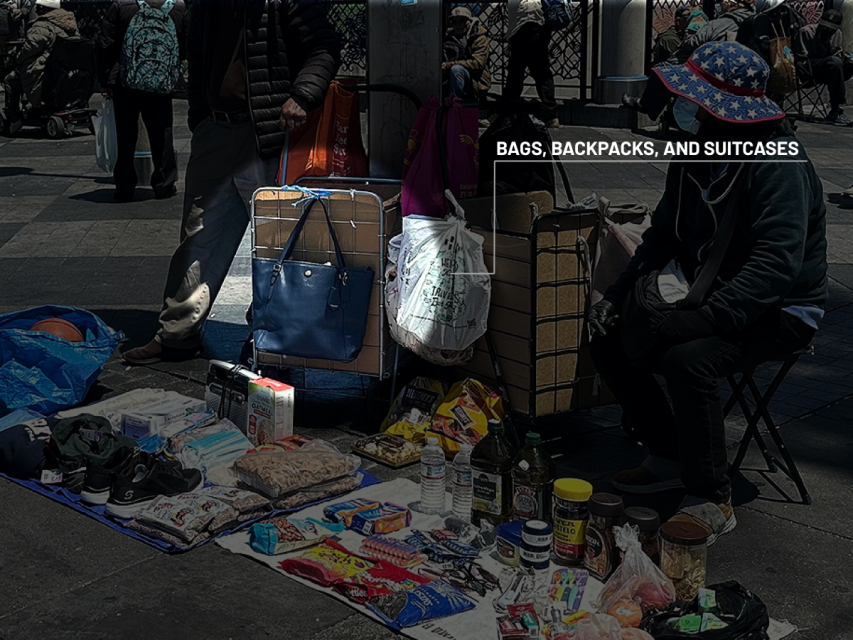 Photo by Lydia Chávez.
 Photo by Lydia Chávez.
“This is a terrific step forward for public safety and I applaud the Board for standing for safe streets and thriving communities today,” he wrote.
State legislators voted in September to approve Wiener’s SB 276, which amended 2018 legislation that had restricted California police departments from enforcing street vending regulations. Curbing illegal fencing was left in the hands of other city workers, like Public Works employees, who faced physical and verbal abuse.
 Photo by Vincent Pflieger
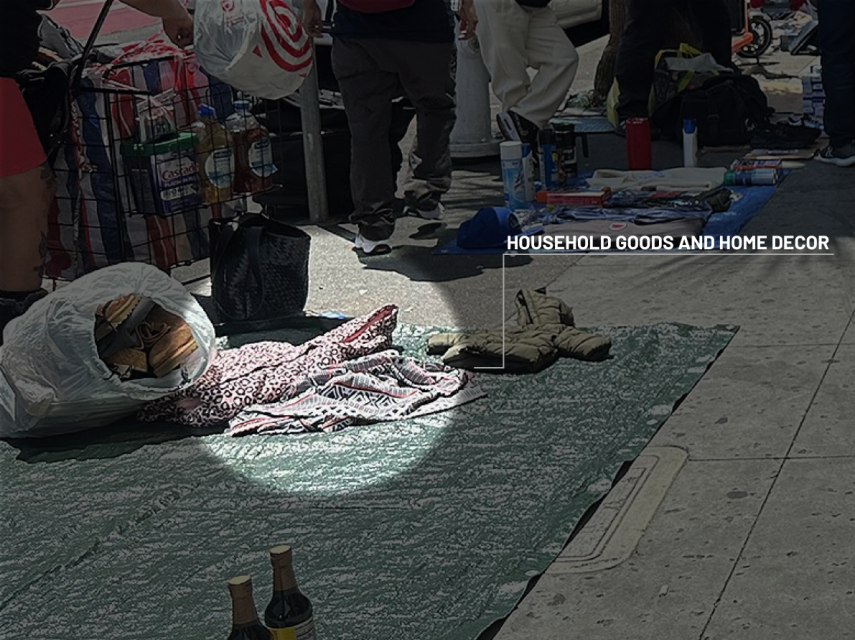 Photo by Lydia Chávez.
As part of the new legislation, which applies only to San Francisco, the Board of Supervisors was required to approve a list of commonly stolen goods in the city. Police officers will only be able to cite — and, after three offenses, arrest — people suspected of selling items on that list.
The list is long: It includes about 100 items, from “meat products” to “dishwasher pods” to “jumper cables.” It is divided into 11 categories, including “Food and beverages” or “Cosmetics and skin care,” and it is based on Public Works data of stolen items recovered between 2023 and September of this year.
 Photo by Vincent Pflieger
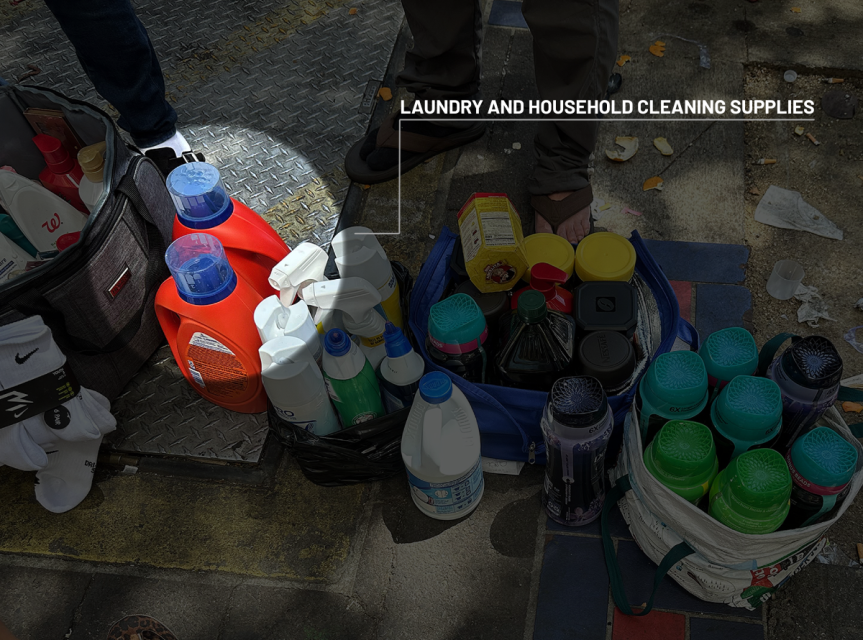 Photo by Lydia Chávez.
The legislation will not affect permitted street vendors, people selling prepared food or people selling prepackaged food items like chips or soda “that is sold along with a food item that is prepared for sale onsite.”
Despite the new legislation, Public Works’ employees will still be part of enforcement. They will be the ones to give the first written warning to anyone found in possession of goods on the list who cannot provide a receipt.
Public Works will then record the violator’s name in a database that will be shared with the police department. It is unclear what will happen if a person refuses to provide their real name.
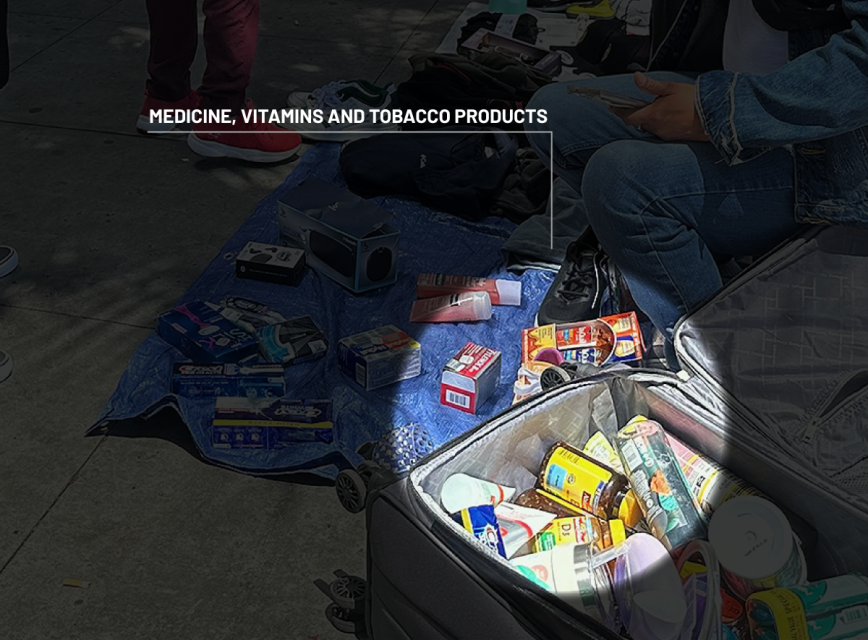 Photo by Lydia Chávez.
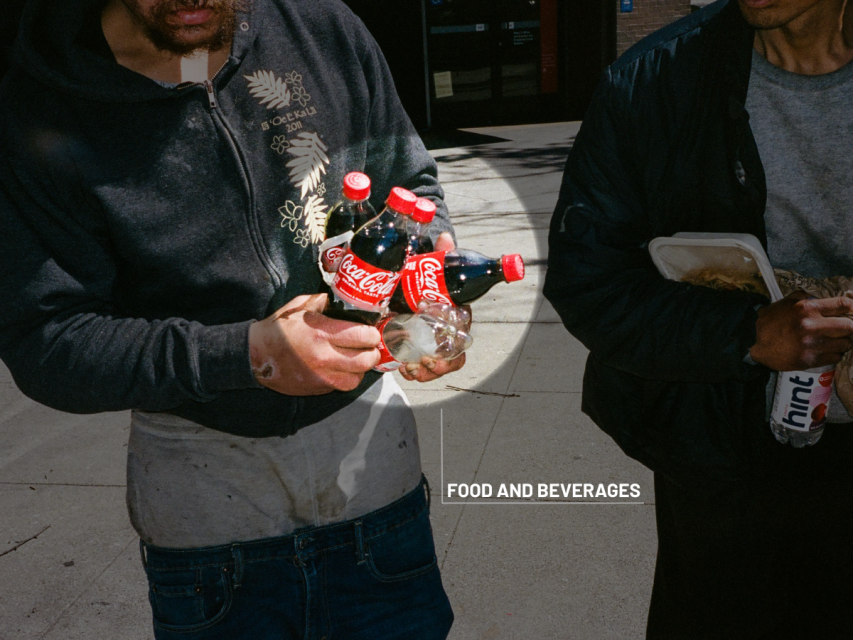 Photo by Vincent Pflieger
Police officers could then issue infractions if a second or third offense occurs within 18 months of the written warning. A fourth offense within 18 months of the warning could lead to a misdemeanor, a fine and six months of jail time.
From the start, the Mission Vendor’s Association, a collective of Mission permitted street vendors, has supported the law.
On Tuesday, District 9 Supervisor Jackie Fielder, who had not publicly endorsed the legislation and had expressed concerns over how its implementation would affect immigrants, also joined in support.
 Photo by Vincent Pflieger
 Photo by Oscar Palma.
The mayor’s office said full implementation will likely not start until the beginning of next year. Under the law, the city needs to launch a publicity campaign at least 30 days before the legislation’s enactment to raise awareness. It has already held at least one public meeting on the law.