
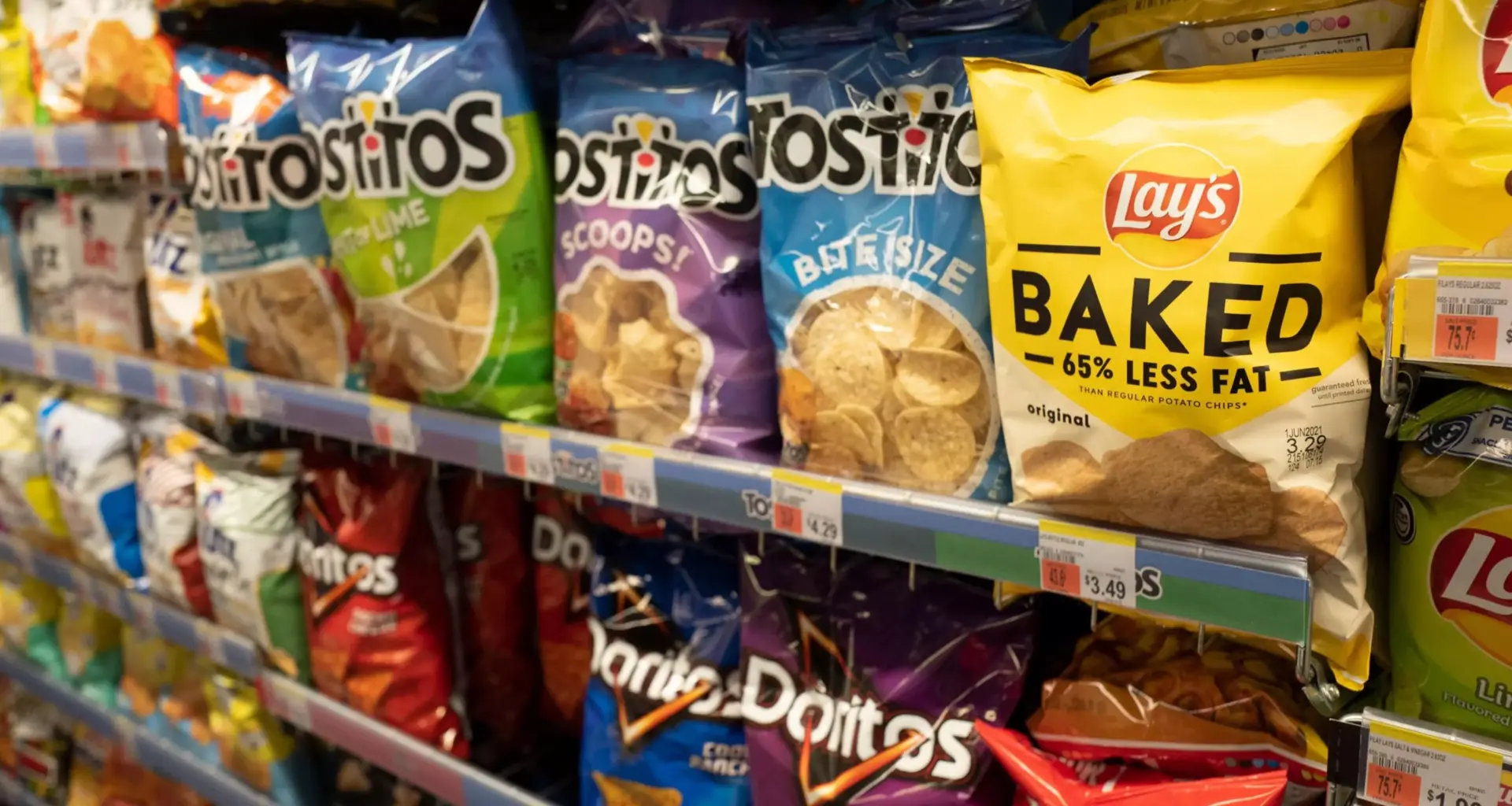
The city of San Francisco filed a lawsuit Tuesday accusing 10 major food manufacturers of knowingly designing and promoting addictive ultra-processed products that fueled a nationwide health crisis and have harmed San Franciscans to maximize profits.
City Attorney David Chiu filed the complaint in San Francisco Superior Court against a sweeping list of food industry giants, including the Kraft Heinz Company, The Coca‑Cola Company, PepsiCo, General Mills, and several others. Collectively, the companies are behind a slew of popular products including Doritos, Bagel Bites, and Kool-Aid — as well as items marketed as relatively healthier food options, such as Annie’s boxed macaroni and cheese and Quaker Oats oatmeal.
The lawsuit alleges the companies chemically engineered foods to stimulate cravings, marketed them deceptively as nutritious, and targeted Black and Latinx communities.
Chiu seeks to block the companies from what the suit calls “unfair and deceptive” marketing practices that violate California’s competition and public nuisance laws. It also demands restitution and civil penalties to help local governments cover health care costs.
“This is not about blaming consumers,” the city attorney said at a Tuesday press conference announcing the lawsuit. “These companies created a public health crisis by taking food and making it unrecognizable and harmful to the human body.”
San Francisco Mayor Daniel Lurie joined Chiu Tuesday, condemning alleged misinformation about grocery store products. “Families deserve to know what’s in their food,” he said.
The complaint arrives amid growing nationwide scrutiny (opens in new tab) of ultra-processed foods, defined in the lawsuit as industrially reconstituted products containing additives such as emulsifiers, artificial sweeteners, flavor enhancers and gelling agents. The city claims up to 70% of the U.S. food supply (opens in new tab) now falls in that category.
 David Chiu is suing snack companies over how they have marketed ultra processed foods, which the city alleges has led to higher rates of disease among San Franciscans. | Source: Gabrielle Lurie/San Francisco Chronicle
It also marks a rare moment of agreement between members of the Trump administration and San Francisco, as United States Secretary of Health and Human Services Robert F. Kennedy Jr. has railed (opens in new tab) against ultra-processed foods in his Make America Healthy Again campaign.
The city has a long-running history of launching legal campaign against various public health crises. Since 2018, San Francisco has sued multiple opioid manufacturers, distributors and dispensers, including Walgreens (opens in new tab), securing $352 million (opens in new tab) in settlements. The city has also enacted policies meant to discourage unhealthy diets, such as the sugary drinks tax (opens in new tab) voters approved in 2016.
The suit also claims advertising for ultra-processed foods disproportionately targeted Black and Latinx children at rates roughly 70% higher than for white youth. According to the complaint, 16.1% of Latino high schoolers in San Francisco and 18.7% of Black high schoolers were classified as obese in 2023. Those rates stand in stark contrast to 2.5% of white students and 4.7% of Asian students, underscoring sharp racial disparities that city officials say point to a broader public health concern.
In San Francisco, diabetes-related hospitalization rates in Black communities in 2016 were between three and six times higher than for other racial and ethnic groups, while households earning under 200% of the federal poverty level were three times more likely to experience Type 2 diabetes, the complaint says.
The defendant companies did not respond to a request for comment.