
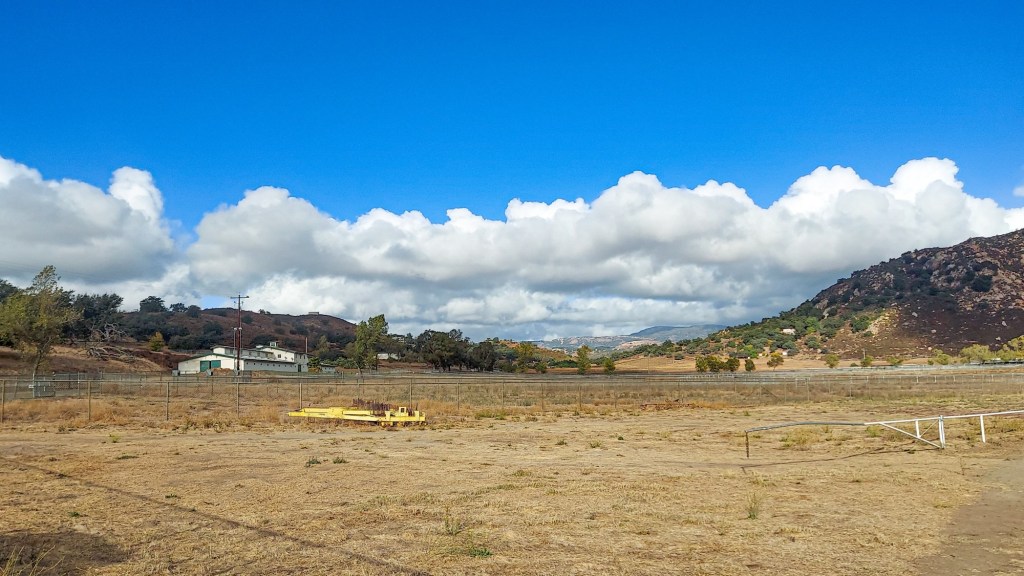
The Mesa Grande Band of Diegueño Mission Indians has a bold vision: to become a 100% net-zero community while modernizing and building food, energy and economic sovereignty for our people. This vision is rooted in our responsibility to protect and care for the land, honor our traditions and create a brighter future for our children. In order to achieve this vision, we need access to affordable, high-speed broadband.
Unfortunately, antiquated state policies slow this access that all Californians deserve.
We are a federally recognized tribe located in a remote location that is part of northern San Diego County, a few miles from Santa Ysabel. A quiet, scenic community, our land encompasses 1,820 acres and we are home to approximately 275 of the tribe’s nearly 1,100 enrolled citizens, many of whom farm, raise livestock or commute to work in nearby towns.
As such, it’s more important than ever to us that better connectivity and communication exist in our region.
Whether it’s telehealth appointments, remote education or emergency alerts, modern communications have equipped us with the tools to stay connected in every aspect of our lives. Despite these advancements, Californians are still struggling with broadband accessibility and the underlying infrastructure to support it.
According to a report by the U.S. Government Accountability Office, nearly 20% of people living on tribal lands have no access to broadband and, more importantly, lack the critical infrastructure to support modern technologies. But with sound investments and the updating of outdated wiring that is no longer meeting the connectivity demands of Californians, we can bridge that divide and expand connectivity.
Unfortunately, California policymakers left a well-crafted opportunity on the table earlier this year that would have helped accomplish those goals and would have resulted in the largest buildout of broadband in our state’s history, despite bipartisan support and a broad coalition, including many tribal nations.
AB 470 was a thoughtful, balanced approach to reinvest dollars currently spent on maintaining aging infrastructure used by less than 5% of the state’s population. The bill would have redirected those resources toward both updating networks to fiber and building out existing fiber connections to hundreds of thousands of Californians, including tribal communities.
For Mesa Grande, the use of these technologies could provide more expedient access to health care, goods movement options and more, while creating new pathways for workforce development, education and transportation.
We hope lawmakers prioritize establishing a meaningful transition plan soon that supports investments in modern networks.
Current law requires the maintenance of landline telecommunications and an aging copper network. While copper landlines were once the main form of communication, they are now outdated and no longer meet modern needs. In use for more than 150 years, copper wiring can take weeks or even months to repair due to the hard-to-replace parts and limited manufacturing of the wiring.
There is also a real and growing concern with copper wiring theft. When a communication line is stolen or vandalized, it disrupts the ability of residents, businesses, law enforcement and emergency services to stay connected, leaving people in the dark.
Tribal governments have been forced to chase patchwork solutions: small microwave links, grants for last-mile fiber or ad hoc partnerships with carriers. These are expensive, fragile and slow. The omission of tribes in planning ensures we remain behind, along with our neighbors.
We can’t ignore the fact that Californians are increasingly abandoning traditional copper landlines for mobile and internet devices. California needs to establish a transition plan to move forward, otherwise we’re left with the status quo, which means whole communities — often the most disenfranchised — are left behind.
It’s well past time to come together on a workable policy that replaces the obsolete copper wiring with modern networks through a multi-year, phased-in approach. The Mesa Grande tribe will continue to work with businesses, lawmakers, and, most importantly, with our neighbors, to fulfill that vision to protect and care for the land, honor our traditions and create a brighter future for all our children.
La Chusa is chairman of the Mesa Grande Tribal Council.