
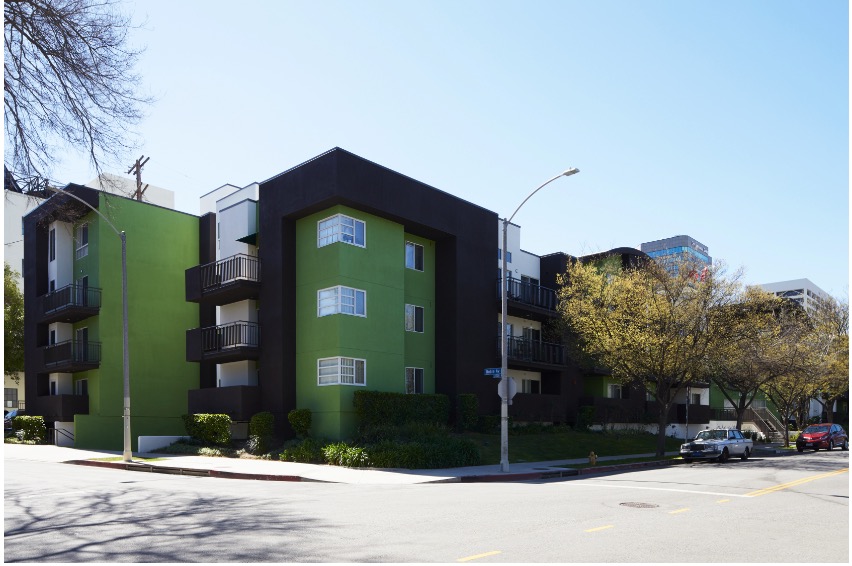
SENIOR LIVING PLANS – Los Angeles is home to one of the fastest-growing older adult populations in the country. Many longtime residents have chosen to age in place, while others move to the region for its weather, medical services, and diverse communities. As this population increases, the need for housing models that reflect the realities of aging becomes more urgent. City leaders often discuss affordability, zoning, transportation access, and long-term care availability, but the daily experience of older adults continues to evolve faster than many policies.
Planning for an aging city requires long-term thinking. Los Angeles must anticipate what older adults will need not only today but also decades from now. This includes preparing for population size, changing health needs, family structures, personal preferences, and the cultural expectations that shape how people want to age. The challenge lies in aligning current infrastructure with future realities before the gap becomes too difficult to close.
Los Angeles Is Becoming an Older City Faster Than Expected
Demographic trends show that adults over sixty-five make up a larger share of Los Angeles residents every year. Many of these individuals have lived in the region long-term, while others have relocated to be near family or medical specialists. This growing population creates new pressures on housing supply. Neighborhoods built for young suburban families now host older adults who need different features, such as walkable streets, accessible homes, and nearby services.
Older adults in Los Angeles also come from a wide range of cultural backgrounds. Each group may have unique expectations regarding multigenerational living, shared family responsibilities, and access to community support. Policies must reflect this diversity to ensure that planning is inclusive. As the city continues to expand, planners must consider how demographic shifts influence demand for different types of homes. Single-family areas may require more flexible zoning to accommodate aging residents, while multifamily buildings may need upgrades to support accessibility.
Discussions among city officials increasingly highlight the need for housing that can adapt to physical limitations. Features such as wide hallways, ground-floor units, and accessible bathrooms become more critical as people age. Retrofitting older homes is possible, but it requires financial support, incentives, and community planning. Without these measures, many older adults may be pushed into situations that cause displacement or unnecessary hardship.
Senior Housing Must Reflect Modern Expectations
Older adults today have different expectations than previous generations. Many want independence, community engagement, and access to amenities that support active living. Senior housing no longer refers only to nursing homes or assisted living communities. It now includes cooperative housing, mixed-use developments, age-friendly apartments, and communities designed around wellness.
Some trends highlight how senior living is evolving, including interest in housing that combines comfort with lifestyle value. Many older adults look for environments that support social connection, wellness activities, and modern conveniences. These expectations shape what communities consider when planning for the future. Some developments now prioritize hospitality-style comfort, high-quality design, and services that align with active lifestyles. This shift does not apply only to upscale housing but also signals broader expectations that influence planning discussions across Los Angeles.
Modern senior housing also often integrates technology. Emergency alerts, telehealth tools, and digital communication systems help older adults remain connected and safe. These features create new design requirements that planners must consider. Buildings may need better internet infrastructure or supportive services that operate on-site. As more older adults become comfortable using digital tools, the city must ensure access does not depend solely on income or neighborhood.
Policy Gaps Affecting the Senior Housing Landscape
Housing affordability remains one of the strongest barriers for older residents who wish to age in place. Many live on fixed incomes that do not match the rising cost of living in Los Angeles. When long-term residents are priced out of their neighborhoods, they lose access to familiar communities, doctors, and transportation networks. Displacement creates emotional stress and can worsen health outcomes.
City policymakers recognize this challenge but often face competing priorities. Affordable housing projects take years to complete, and zoning regulations can slow development. Meanwhile, older adults continue to age, and the need for accessible units grows each year. Without immediate intervention, the gap between supply and demand will continue to widen.
Two significant policy challenges stand out:
Aging Housing Stock
Many Los Angeles homes lack features that support aging residents. Narrow entryways, multi-level layouts, and older wiring can make daily life complicated. Retrofitting homes requires financial incentives or subsidies that many families cannot access.
Insufficient Accessible Housing Supply
Developers often prioritize density or market-rate units. This leaves fewer affordable homes for older adults who need accessible designs. Policy adjustments may be required to encourage or require accessibility in new developments.
Both issues play a significant role in shaping the city’s ability to support residents who wish to age in familiar neighborhoods. Planners must find ways to address these challenges before they grow more difficult to manage.
Transportation and Mobility Must Be Part of Housing Conversations
You cannot separate transportation planning from housing for older adults. A home becomes far less valuable when residents cannot easily reach groceries, pharmacies, social activities, or medical appointments. Los Angeles is working to improve mobility options, but many gaps remain.
Older adults rely on public transportation, community shuttles, and ride services to remain independent. Walkability also matters. Safe sidewalks, well-designed crosswalks, benches, and shaded pathways help older residents navigate their neighborhoods comfortably. Many areas in Los Angeles lack these features.
When planning senior housing, several mobility questions should guide policymakers:
• Are homes located near essential services?
• Do public transportation routes support senior-dense communities?
• Can older residents navigate sidewalks safely?
• Are mobility support services available for those with disabilities?
Without addressing these questions, even the best housing options may fall short of meeting the needs of an aging population.
Community Support Is Essential for Thriving Senior Neighborhoods
Older adults thrive when they feel connected to others. Community centers, social programs, wellness activities, and local events help them stay engaged. Social connection reduces feelings of isolation and supports cognitive health. Planning for senior housing must include access to these community assets.
Neighborhoods with strong community engagement often see healthier outcomes among older adults. Programs that encourage social interaction help people remain active and independent. These programs also create natural support networks that make aging in place more realistic.
Los Angeles communities already offer a range of senior-focused activities, but accessibility varies. Some neighborhoods have community centers with consistent programming, while others lack designated spaces. Expanding access to community resources may require policy support, funding, and partnerships with local organizations.
What Los Angeles Can Do to Prepare for the Future
Meeting the needs of an aging population requires long-term planning and short-term action. City leaders must analyze population projections, housing supply, transportation systems, and community resources to create a cohesive plan. Without unified strategies, gaps between policy and real needs will continue to grow.
Key strategies include:
Encouraging Age-Friendly Development
Developers can be incentivized to build homes with accessible features. This reduces future costs associated with retrofitting older structures.
Expanding Affordable Housing
More funding and policy tools may be necessary to create affordable homes for residents who live on limited incomes.
Supporting Aging in Place
Programs that help older adults modify their existing homes can reduce displacement. This may include grants, city-sponsored repair services, or tax incentives.
Increasing Mobility Access
Improved sidewalks, expanded transit routes, and safe crosswalks help older adults remain independent.
Strengthening Community Programs
Neighborhood initiatives that encourage social engagement support emotional and physical well-being.
These approaches ensure that aging residents can remain active participants in the life of the city.
Planning for an Aging Future
Los Angeles is at a turning point. The decisions made today will shape how easily older adults can find housing, access services, and remain connected to their communities. Senior housing policies must match the pace of demographic change. The city needs more accessible homes, better transportation options, and stronger community support systems. As expectations around comfort, wellness, and lifestyle continue to evolve, planners must prepare for a broader range of housing preferences.
If Los Angeles can align policy with population trends, it has the opportunity to become a model for age-friendly urban planning. A thoughtful approach will allow older adults to thrive while strengthening the city’s social and economic future. By planning, Los Angeles can ensure that every generation feels supported, valued, and at home in the city they helped build.
###