
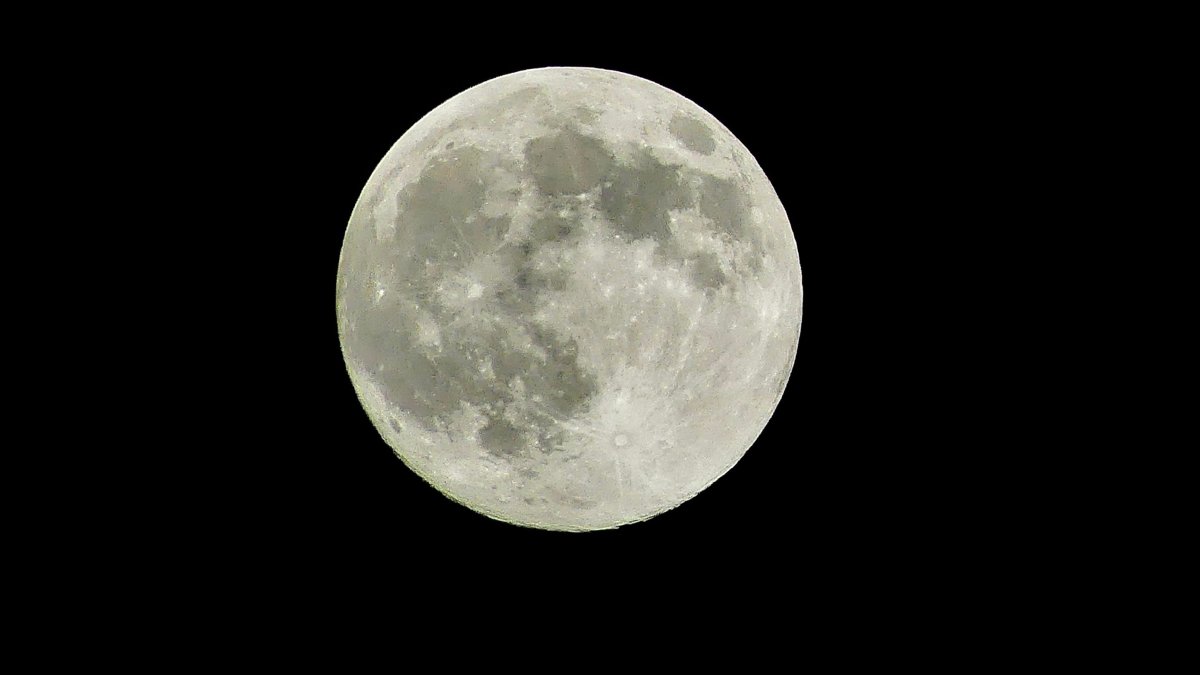
The last supermoon of the year will shine soon in December skies.
Supermoons happen a few times a year in clusters, taking advantage of the sweet spot in the moon’s elliptical orbit, and Thursday night’s event is the last of three in a row in 2025.
According to the Griffith Observatory, the full moon peaks around 3:15 p.m. Thursday and will be the biggest and brightest as the night falls.
The supermoon can be glimpsed in clear night skies without any special equipment. But it can be tough to discern the subtle change with the naked eye.
What makes a ‘supermoon?’
According to NASA, a “supermoon” is a full moon that appears bigger and brighter because it’s closer to Earth.
A more popular term than a scientific one, a supermoon occurs when a full lunar phase syncs up with an especially close swing around Earth. This usually happens only three or four times a year and consecutively, given the moon’s constantly shifting, oval-shaped orbit.
A supermoon obviously isn’t bigger, but it can appear that way, although scientists say the difference can be barely perceptible.
When are the next supermoons?
Supermoons only happen three or four times a year, and always consecutively, according to NASA.
The next supermoons occur on Dec. 4, 2025, and Jan. 3, 2025.
What does a supermoon look like?
At its closest point, the full Moon can appear up to 14% bigger and 30% brighter than the faintest Moon of the year, which occurs when it’s farthest from Earth in its orbit, NASA said.
San Diegans captured the big and bright Beaver Moon, which occurred in November, from across the county. Take a look at the photos:
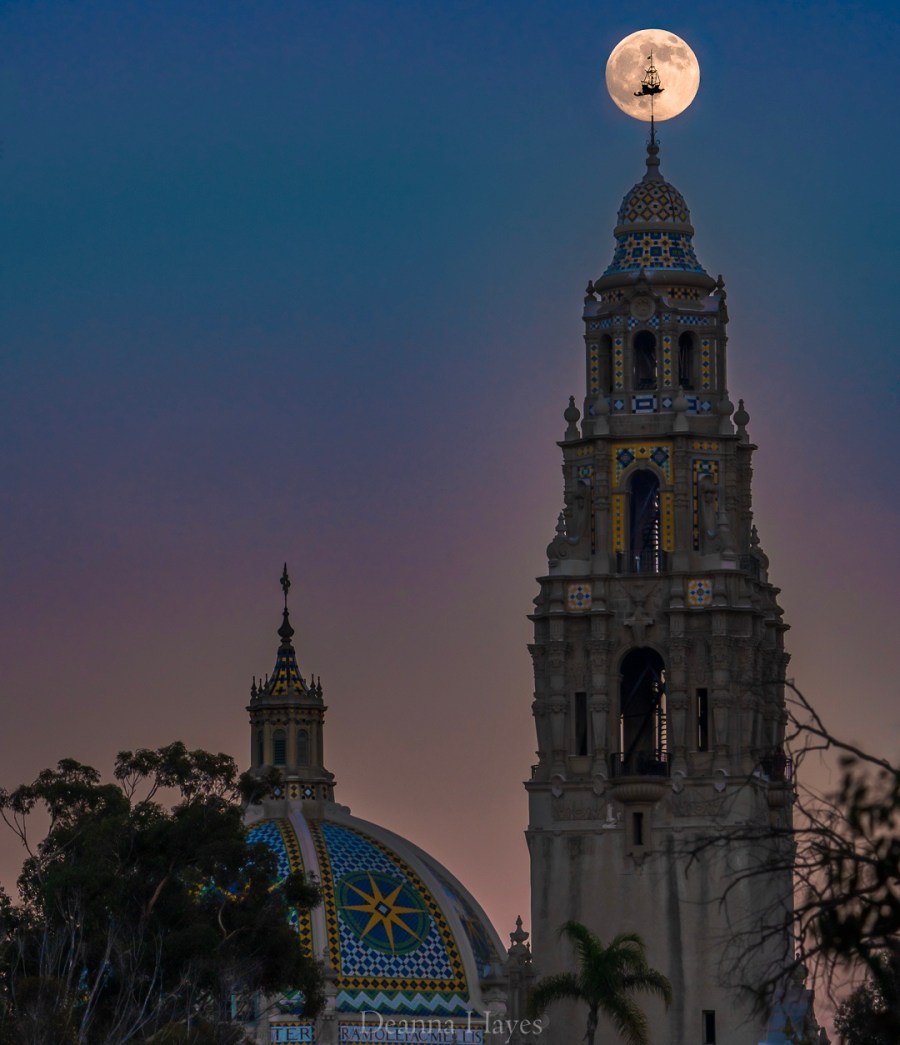 A supermoon seen over the California Tower in Balboa Park on Nov. 4, 2025. (DeAnna Hayes)
Dan Wyman
Dan Wyman
A close-up of a supermoon seen from San Diego on Nov. 4, 2025.

Ana Lombrozo
Ana Lombrozo
The start of a supermoon a few days before peak full moon on Nov. 3, 2025.
Frank Corio
Frank Corio
A close-up of a supermoon seen from La Mesa on Nov. 4, 2025.