
The Berkeley City Council discussed a potential infrastructure bond of up to $300 million for the November 2026 general election ballot at a special council meeting Tuesday.
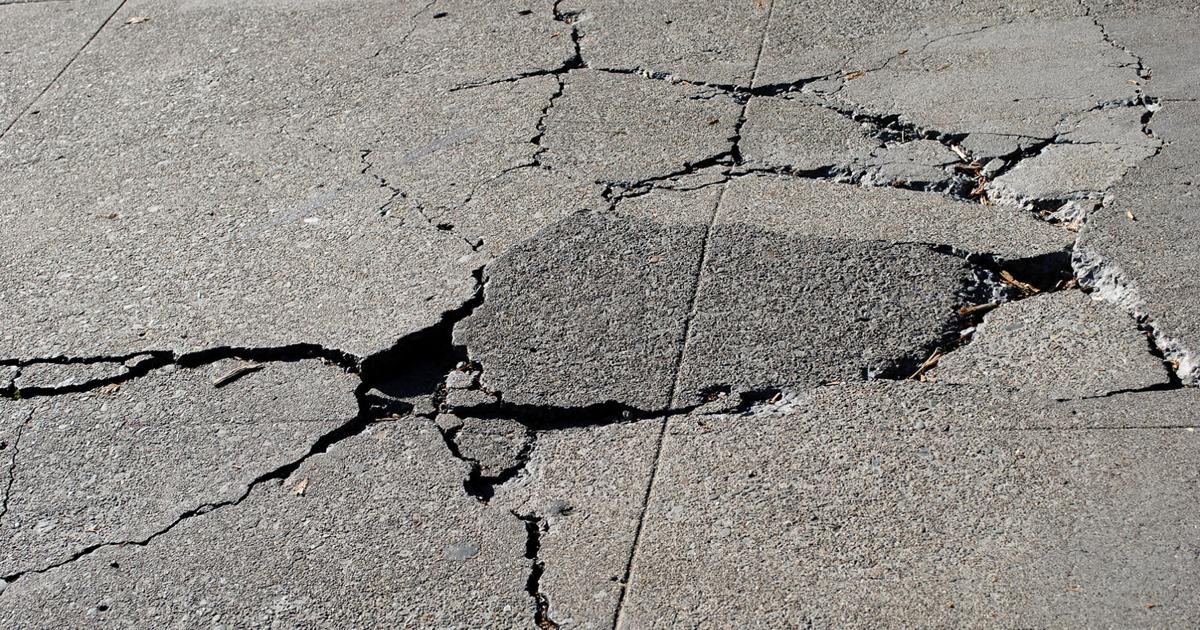
The city of Berkeley has more than $1 billion in “unfunded infrastructure needs,” according to city staff.Though part of the city’s general fund as well as voter-approved ballot measures partially meet this financial need, the measures thus far have not been enough.
These measures include the $100 million Measure T1 bond, passed in 2016, which funds city infrastructure construction and improvements, as well as the Measure FF parcel tax, passed in 2024, which provides about $267 million across 14 years for street and sidewalk repairs.
The proposed bond is meant to further address the backlog and is aligned withVision 2050, the city’s recently updated climate resilience initiative to “address Berkeley’s aging infrastructure and create a vibrant city for the next generation of Berkeley residents,” according to Mayor Adena Ishii’s Realize Vision 2050 Task Force.
“Unlike some past vision documents that I have observed figuratively gathering dust on a shelf, I believe Vision 2050 is different specifically because it aligns seamlessly with the bond measure and other infrastructure priorities and mechanisms that we are discussing,” said District 4 Councilmember Igor Tregub in an email.
During the presentation, staff from the city manager’s office and other departments recommended infrastructure improvements to the council to invest in through the proposed bond.
Proposed infrastructure projects under the potential bond measure fall into three categories estimated to cost $100 million each, assessed in part with Vision 2050’s criteria which includes public health and safety, local economy, preservation of water resources and green infrastructure.
Regarding community quality of life, city staff suggested upgrades to the Frances Albrier Community Center, King Pool and Harrison Field among other improvements.For public safety, Fire Chief David Sprague recommended renovation or replacement of fire stations 4 and 6, the Emergency Medical Services and Community Emergency Response Training Center and the Emergency Communications Center.
“Our stations are now no longer meeting current health, safety and operational standards,” Sprague said. “They’re not designed for a modern emergency response system, nor for the demands placed on firefighters, paramedics or the community.”
At the special meeting, public works director Terrance Davis advocated for citywide accessibility improvements under the city’s American Disabilities Act transition plan, modernized plumbing and electrical systems in buildings, such as the Public Safety Building and Berkeley Animal Shelter, and sidewalk repairs. This also included seismic upgrades to the Veterans Memorial Building and Maudelle Shirek Building, also known as Old City Hall, which Tregub stated are “pillars of democracy in the public commons.”
The proposed bond can only be used for long-term capital improvements that increase the value or lifespan of buildings, roads and facilities. These types of bonds are generally repaid by taxpayers over 30 years and need two-thirds voter approval to pass.
During the presentation, staff said they intend to conduct community surveys in February and April 2026 to understand which infrastructure projects voters want prioritized and gauge support for the proposed bond measure.
“It’s quite exciting because it’s something not many local government agencies look at, (questions such as) ‘What’s going to happen in 2050?’ rather than ‘What shall we do next year?’” said campus professor and director of the Berkeley Center for Smart Infrastructure Kenichi Soga.
Soga serves on the Realize Vision 2050 Task Force, which has a plan that includes collaborations with campus anticipated to begin in April 2026. He noted that updates of the campus heating and cooling systems and construction of The Gateway — the new home of UC Berkeley’s College of Computing, Data Science, and Society — can inform future city projects.
“The next step is (for) the city … and citizens of Berkeley to say, ‘Yes, let’s go forward.’” Soga said.