
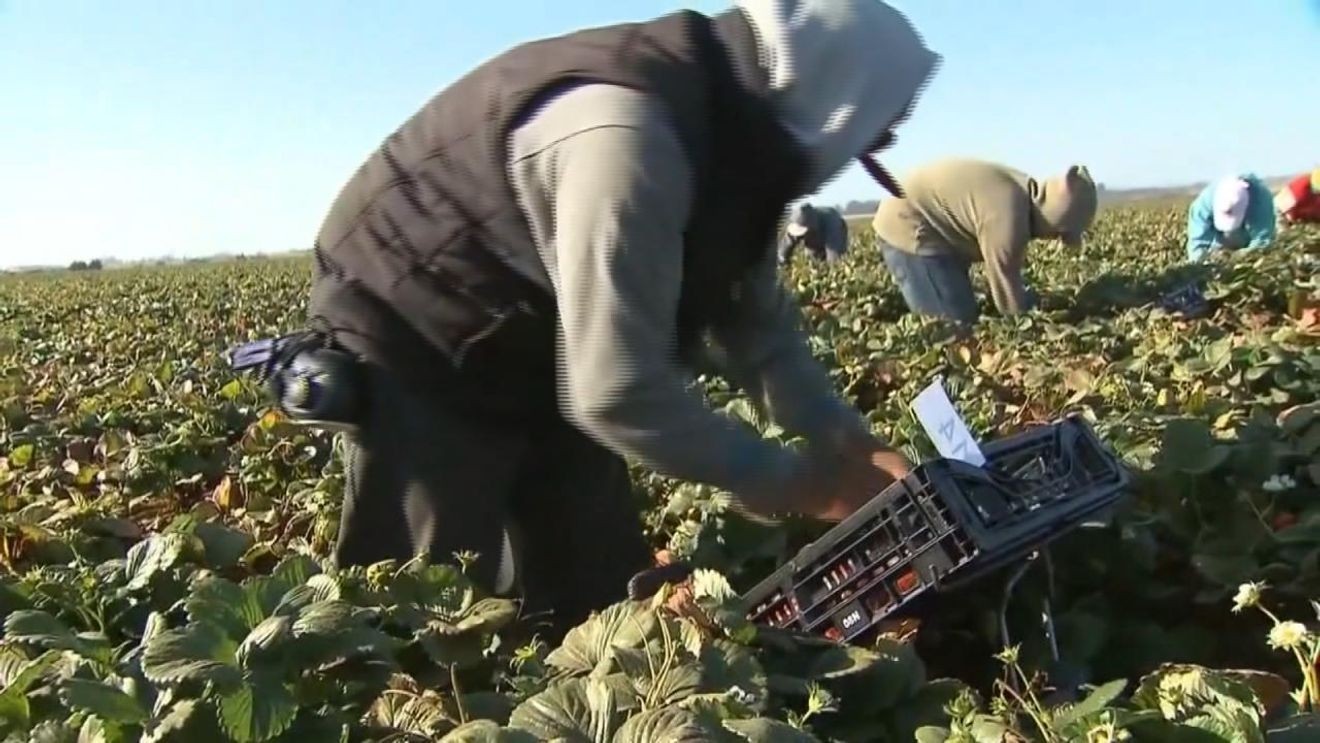
BAKERSFIELD, Calif. (KBAK/KBFX) The Trump administration has taken a significant step forward with an executive order signed in January, aiming to deliver more water to Central Valley farmers.
On Thursday, the Bureau of Reclamation unveiled a new operating plan for the Central Valley Project, a 400-mile system of dams, reservoirs, canals, and other infrastructure.
The plan is designed to increase water deliveries to agricultural communities in the region.
Trump administration advances plan to boost water for Central Valley farmers (KBAK/KBFX)
Secretary of the Interior Doug Burgum stated, “This updated operations plan reflects our commitment to using the best available science to increase water deliveries while safeguarding the environment and honoring the legacy of the Central Valley Project’s 90 years of service.”
Allison Febbo, general manager of Westlands Water District, emphasized the impact of the order, saying, “So this order and record of decision is actually going to make sure that we get on average about 85,000 acre-feet of water delivered to our area.”
Febbo noted that the order would allow farmers to have more reliable agricultural operations, adding, “It goes down to actually being able to plan to plant more, to be able to buy more equipment, more seeds, more fertilizers. So, it really trickles down to our local economies as well.”
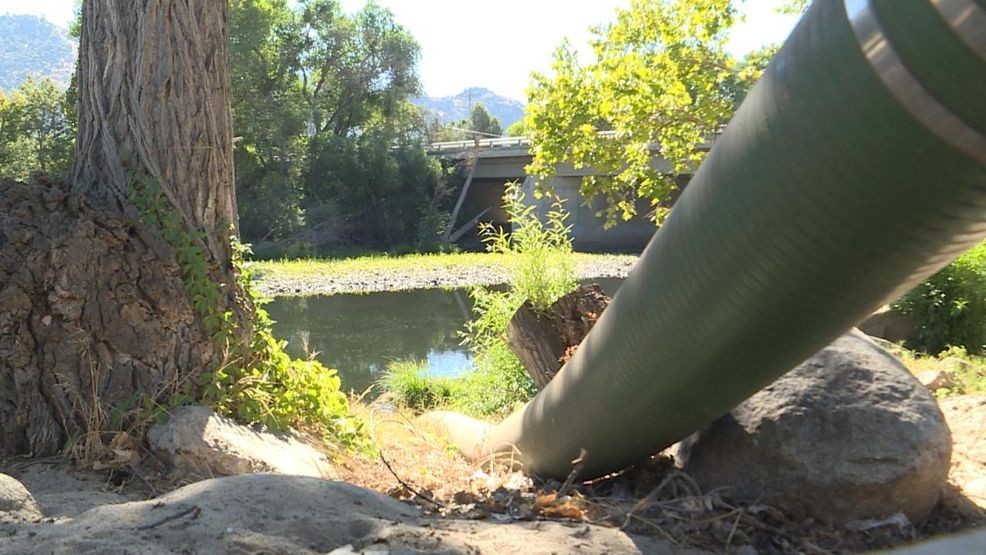
Trump administration advances plan to boost water for Central Valley farmers{ }(KBAK/KBFX)
However, Gov. Gavin Newsom criticized the plan, arguing that it was another example of the administration “putting politics over people.”
He expressed concerns that the order would harm fish and divert water from other areas of the state.
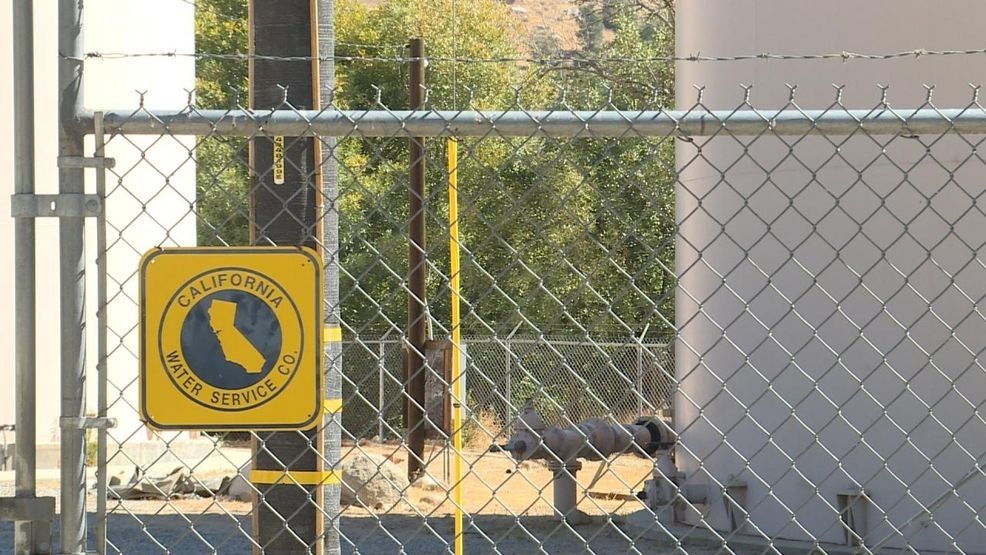
Trump administration advances plan to boost water for Central Valley farmers{ }(KBAK/KBFX)
Febbo countered by highlighting the importance of modern data, stating, “Being more of a hypothesis-driven system and trying to be risk-averse, we’re actually learning that we need to balance the need for water for the environment with the water for people. And that we really need to use the most recent data that we have.”