
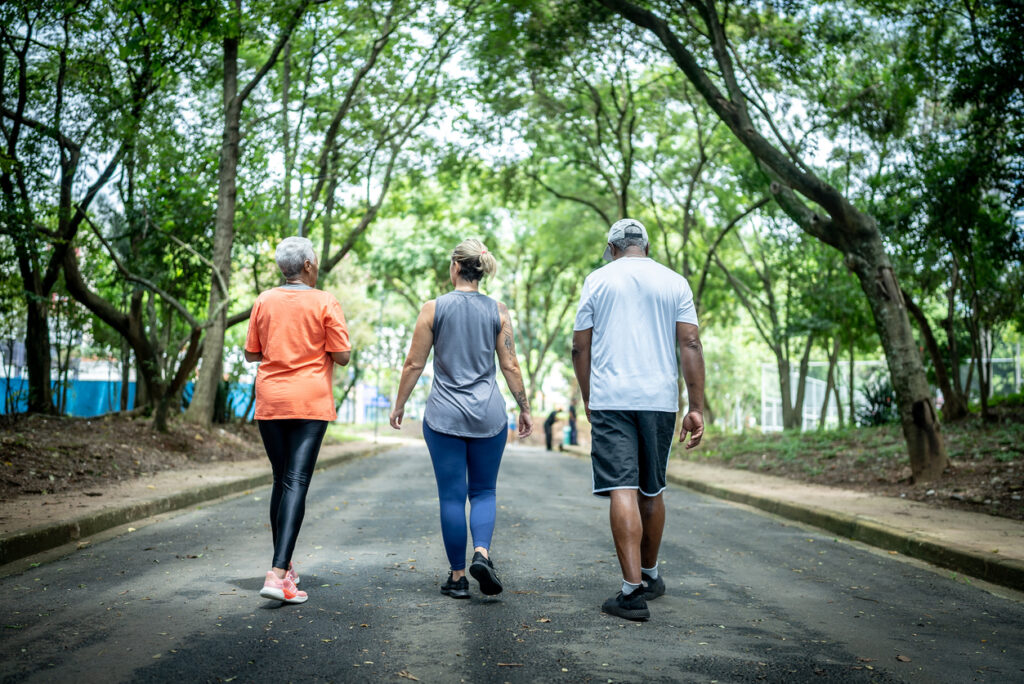
 Photo by FG Trade/iStock
California’s older adults are experiencing mobility changes long before most families recognize the warning signs. These early shifts often begin quietly. A slower walking pace. Shorter strides. Hesitation on uneven surfaces. Holding onto furniture to steady themselves at home. Small changes accumulate over time, and by the time a fall occurs, the decline has already taken root.
More than one third of older Californians experience a fall every year, and many of these incidents lead to injuries that alter a person’s long-term independence. The risks are especially high in regions like the Central Valley, where many older adults spent decades in physically demanding jobs, carry chronic health conditions, and have limited access to preventive mobility programs. When early mobility support is unavailable, the deterioration in strength and balance progresses faster and becomes harder to reverse.
As a rehabilitation clinician and director working directly with older adults, I see how effective early mobility support can be. Mild losses in leg strength or balance respond well to structured, simple routines when they are addressed early. The greatest need is access. Access to screenings. Access to education. Access to guided movement programs that reach older adults in familiar community settings.
Several programs across California demonstrate how this access can be expanded.
StopFalls Sacramento is one strong example. This community partnership offers free fall-risk screenings, balance workshops, home-safety education, and guided exercise classes throughout Sacramento County. By bringing preventive support into neighborhoods rather than relying only on clinical settings, the program allows older adults to receive help well before mobility loss becomes a crisis. This collaborative model is one that can be replicated throughout the state.
In San Diego County, UC San Diego partners with community centers to run Steady Stance Balance Clinics. These clinics provide no-cost assessments performed by trained volunteers and students, along with practical instruction in strength and balance routines. The program bridges academic training with community wellness and offers a replicable approach for counties with colleges or health-sciences programs seeking to expand outreach.
Orange County has a similar program, where Age Well Senior Centers have strengthened their fall-prevention offerings through mobility classes, weekly balance checkups and individualized exercise guidance. These classes are accessible, culturally adaptable and delivered in multiple languages. The success of this program shows how low-cost, community-based approaches can make early mobility support more widely available.
Despite the variety in these models, the core principles are the same. Bring support to where older adults already are. Rely on partnerships. Keep the routines simple and sustainable. When these approaches are replicated across California, the result is fewer fall-related injuries, greater community stability and improved quality of life for older adults.
Preventive movement remains one of the most powerful tools available. Sit-to-stand repetitions, single-leg stance near a counter, walking intervals and gentle stretching are effective when practiced consistently. These activities require awareness and routine rather than expensive equipment. With early intervention and accessible guidance, older adults can retain strength, stability and confidence.
Aging does not have to mean living in fear of falls. California’s older adults deserve clear pathways to early mobility support that protects their independence long before an emergency occurs. When families, community partners and care providers work together, aging becomes not only safer but stronger.

Neha Sabharwal is a physical therapist and the director of rehabilitation at Vintage Faire Nursing and Rehabilitation in Modesto, where she specializes in adult mobility, fall prevention and functional recovery.
This <a target=”_blank” href=”https://www.calhealthreport.org/2025/12/08/opinion-how-california-can-expand-early-mobility-support-for-older-adults/”>article</a> first appeared on <a target=”_blank” href=”https://www.calhealthreport.org”>California Health Report</a> and is republished here under a <a target=”_blank” href=”https://creativecommons.org/licenses/by-nd/4.0/”>Creative Commons Attribution-NoDerivatives 4.0 International License</a>.<img src=”https://www.calhealthreport.org/wp-content/uploads/2012/10/CHR_LOGO_SOCIAL@3x-100-300×300.jpg” style=”width:1em;height:1em;margin-left:10px;”>
<img id=”republication-tracker-tool-source” src=”https://www.calhealthreport.org/?republication-pixel=true&post=37787″ style=”width:1px;height:1px;”><script> PARSELY = { autotrack: false, onload: function() { PARSELY.beacon.trackPageView({ url: “https://www.calhealthreport.org/2025/12/08/opinion-how-california-can-expand-early-mobility-support-for-older-adults/”, urlref: window.location.href }); } } </script> <script id=”parsely-cfg” src=”//cdn.parsely.com/keys/calhealthreport.org/p.js”></script>