
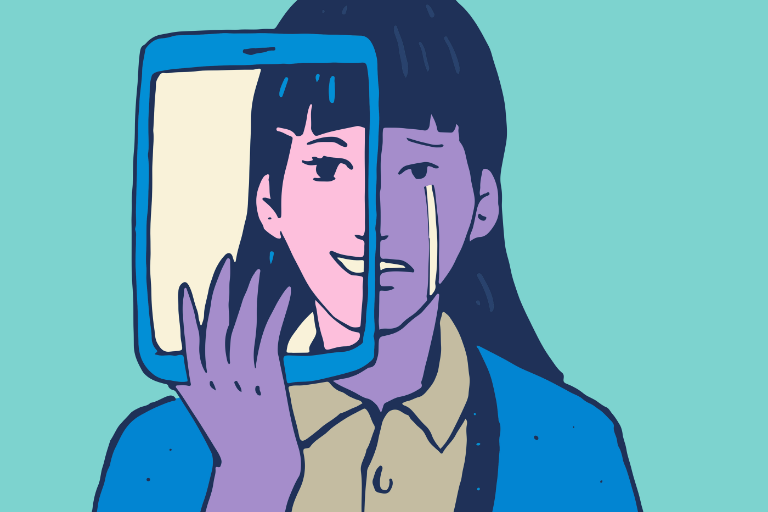
Everyone, whether neurodivergent or not, needs to mask sometimes. It helps people feel accepted by a group. And believing that you belong is “one of the best predictors of well-being,” said Mark Leary, a professor emeritus of psychology and neuroscience at Duke University who has studied social motivation.
Masking can be empowering when it’s done according to a person’s own values and by choice, said Iris Mauss, a professor of psychology and director of the Institute of Personality and Social Research at the University of California, Berkeley.
For example, if you value being kind and patient, then you might choose to avoid expressing boredom and frustration during a seemingly interminable work meeting, Dr. Mauss explained.
In this way, she added, masking can allow for “a deeper and more nuanced understanding of what authenticity really means” by helping people adhere to their core principles.