
Why this matters
California law explicitly requires property owners and managers to provide and maintain safe, habitable housing.
The clock is ticking for multi-family property owners to inspect balconies and other elevated structures to avoid fines and penalties.
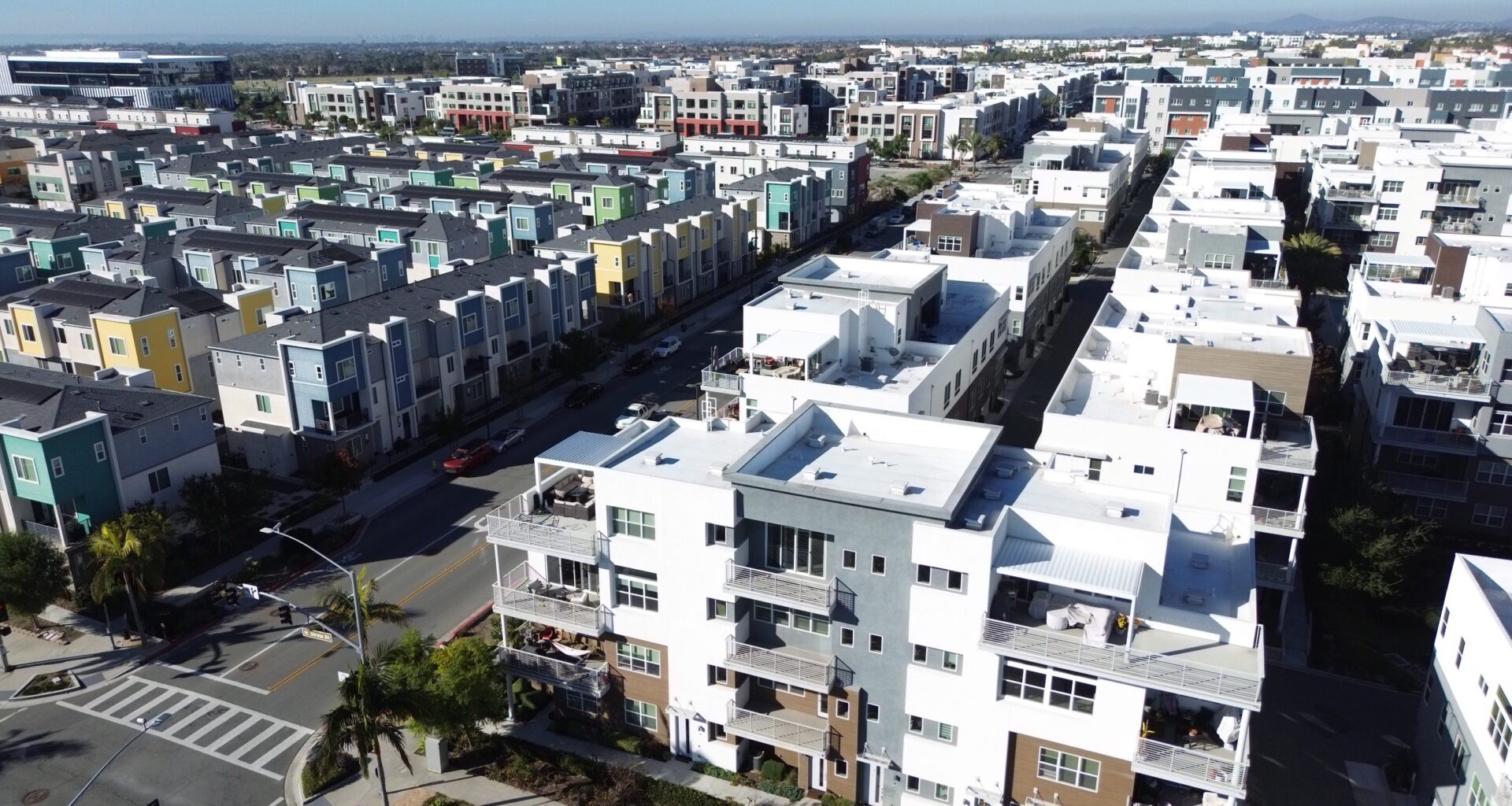
By Jan. 1, state law requires owners of all properties with three or more units to inspect walking surfaces that extend from the exterior wall at least 6 feet above the ground — such as balconies, decks, stairways, walkways and their railings. Failure to complete the inspection in time could lead to fines, liens, limited financing options or even loss of insurance coverage.
The new law, originally passed in 2018, was inspired by a balcony collapse in Berkeley that killed six college students. The deadline to complete inspections was extended to account for disruptions caused by COVID-19.
“While most owners and managers already began the process, there were many that could not meet the deadline because of limitations during the pandemic and due to overwhelming demand placed on inspection companies,” said Molly Kirkland, director of public affairs for the Southern California Rental Housing Association. “Housing providers should contact a qualified inspector immediately to meet the deadline if they have not already had an initial inspection.”
There are nearly half a million apartment complexes throughout a state that only has 200 qualified inspectors, according to the American Apartment Owners Association.
Inspections must be performed by a licensed architect, civil or structural engineer, or a specifically licensed building contractor. After initial inspection, the law requires a new inspection every six years. A list of qualified inspectors is available for Rental Housing Association members, Kirkland said.
Tenants living on properties subject to these inspections can file a complaint with their local code enforcement department if they feel owners or management refuse to comply. Tenants in San Diego can file a complaint with the city attorney’s Housing Protection and Civil Code Compliance Unit.
It’s still unclear what this new law could mean for tenants if property owners refuse to comply, said Gil Vera, deputy director of the Legal Aid Society of San Diego.
On one hand, Vera said, it’s possible that a tenant could raise a failure to inspect a balcony as a habitability defense if they are evicted for nonpayment of rent. But it’s also possible the balcony isn’t dangerous, even if it hasn’t been inspected, which could weaken that defense.
“I would not recommend tenants withhold rent if their balcony is not inspected,” Vera added.
Type of Content
News: Based on facts, either observed and verified directly by the reporter, or reported and verified from knowledgeable sources.