
Sacramento Regional Transit is asking the public to weigh in on its latest plans for the long-proposed Downtown Riverfront Streetcar Project.The service would connect West Sacramento with downtown Sacramento, starting at Sutter Health Park, crossing the Tower Bridge to the Capitol Mall, then proceeding down N Street before linking to existing light rail tracks, and eventually connecting to the Sacramento Valley Amtrak Station.This project was first unveiled a decade ago but has been scaled back. The 2015 approved project planned a 3.3-mile route that extended from the Civic Center and Bridge districts in West Sacramento to areas near the Convention Center and Midtown in Sacramento. Those plans called for building 23 new stations. The revised project now covers 1.8 miles and only requires building three new stations: one at Sutter Health Park in West Sacramento; another at 2nd and Capitol to serve Old Sacramento; and one along N Street between 4th and 5th streets to serve Downtown. According to a fact sheet, other destinations served by the streetcar include the Golden 1 Center and Crocker Art Museum, along with close access to the Sacramento Railyards.In addition to the three new stations, the streetcar will connect to six existing SacRT light rail stations along 7th and 8th streets. SacRT spokesperson Jessica Gonzalez said the revised alignment that reduced the size of the project was formally approved by the Sacramento City Council and the SacRT board in 2022. “Since then, SacRT has conducted public outreach to share the updated plan, including presentations in early 2024 to groups like the Downtown Sacramento Partnership, the Sacramento Active Transportation Committee, and the West Sacramento Transportation, Mobility, and Infrastructure Commission,” she said in a statement.The environmental review notes that in 2019 construction bids for the more expansive project that was approved “were substantially higher than anticipated.””To move forward responsibly and within the available budget, SacRT worked with project partners to revise the alignment,” Gonzalez said. “The updated plan still achieves many of the original goals — including regional connectivity and access to key destinations — while being more cost-effective and easier to implement.”According to SacRT, the revised project will not have new significant impacts on the environment. SacRT says that $164.3 million has been budgeted and committed to the project, with $72 million coming from state and local funding and $92.3 million from federal funding. Gonzalez said no additional funds are needed at this time, though the final cost will be confirmed once construction bids are received in late summer 2026. Still, she said SacRT is confident the changes to the plan will keep the agency within budget. The public can leave comments on the new plan through January 15. SacRT hopes construction can be completed by 2029. See more coverage of top California stories here | Download our app | Subscribe to our morning newsletter | Find us on YouTube here and subscribe to our channel
SACRAMENTO, Calif. —
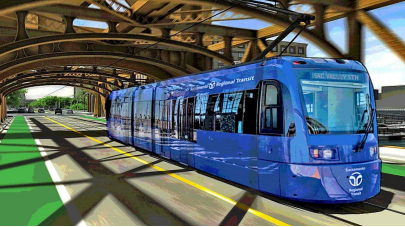
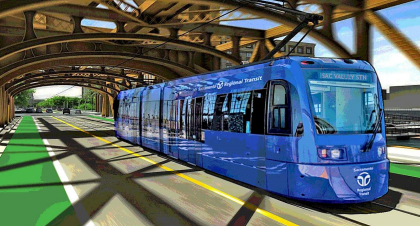
Sacramento Regional Transit is asking the public to weigh in on its latest plans for the long-proposed Downtown Riverfront Streetcar Project.
The service would connect West Sacramento with downtown Sacramento, starting at Sutter Health Park, crossing the Tower Bridge to the Capitol Mall, then proceeding down N Street before linking to existing light rail tracks, and eventually connecting to the Sacramento Valley Amtrak Station.
This project was first unveiled a decade ago but has been scaled back. The 2015 approved project planned a 3.3-mile route that extended from the Civic Center and Bridge districts in West Sacramento to areas near the Convention Center and Midtown in Sacramento. Those plans called for building 23 new stations.
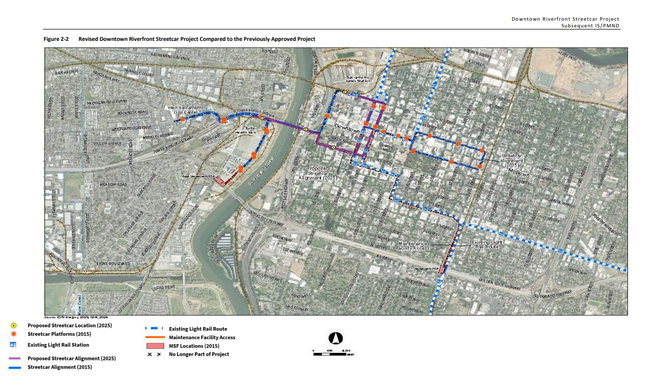
SacRT
This shows previous locations with orange stars and the revised locations with yellow circles.
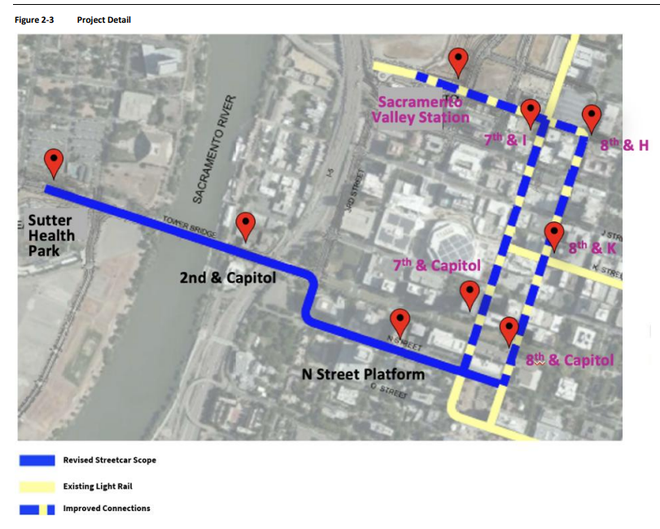
The revised project now covers 1.8 miles and only requires building three new stations: one at Sutter Health Park in West Sacramento; another at 2nd and Capitol to serve Old Sacramento; and one along N Street between 4th and 5th streets to serve Downtown. According to a fact sheet, other destinations served by the streetcar include the Golden 1 Center and Crocker Art Museum, along with close access to the Sacramento Railyards.
In addition to the three new stations, the streetcar will connect to six existing SacRT light rail stations along 7th and 8th streets.
SacRT spokesperson Jessica Gonzalez said the revised alignment that reduced the size of the project was formally approved by the Sacramento City Council and the SacRT board in 2022.
“Since then, SacRT has conducted public outreach to share the updated plan, including presentations in early 2024 to groups like the Downtown Sacramento Partnership, the Sacramento Active Transportation Committee, and the West Sacramento Transportation, Mobility, and Infrastructure Commission,” she said in a statement.
The environmental review notes that in 2019 construction bids for the more expansive project that was approved “were substantially higher than anticipated.”
“To move forward responsibly and within the available budget, SacRT worked with project partners to revise the alignment,” Gonzalez said. “The updated plan still achieves many of the original goals — including regional connectivity and access to key destinations — while being more cost-effective and easier to implement.”
According to SacRT, the revised project will not have new significant impacts on the environment.
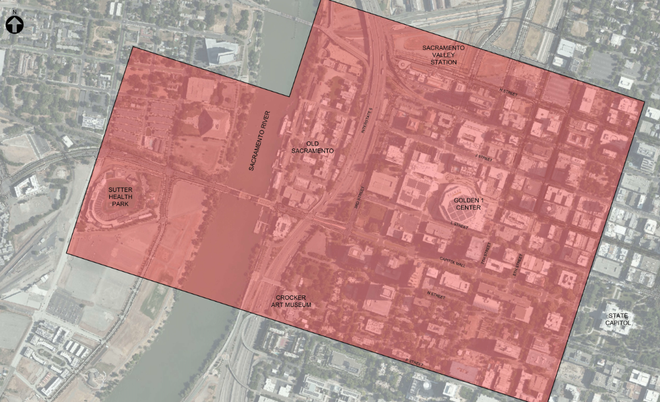
SacRT
Areas served by the streetcar.
SacRT says that $164.3 million has been budgeted and committed to the project, with $72 million coming from state and local funding and $92.3 million from federal funding.
Gonzalez said no additional funds are needed at this time, though the final cost will be confirmed once construction bids are received in late summer 2026. Still, she said SacRT is confident the changes to the plan will keep the agency within budget.
The public can leave comments on the new plan through January 15. SacRT hopes construction can be completed by 2029.
See more coverage of top California stories here | Download our app | Subscribe to our morning newsletter | Find us on YouTube here and subscribe to our channel