
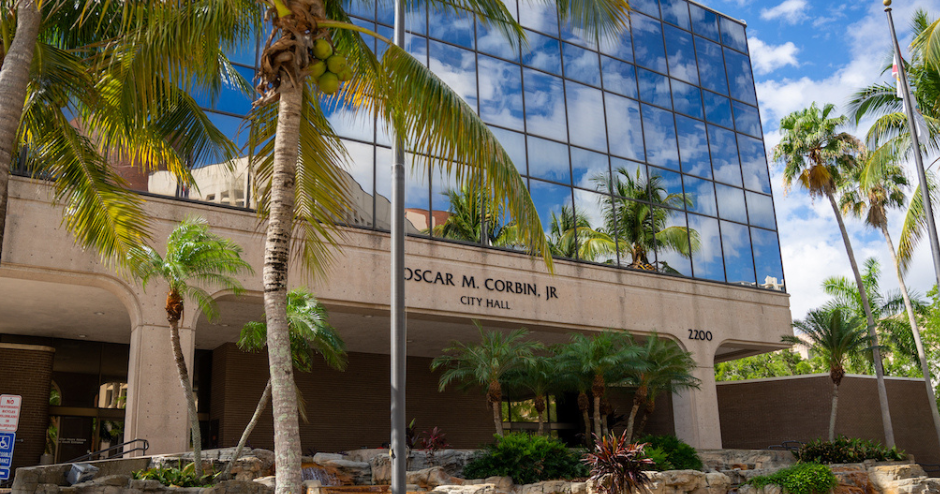
Fort Myers officials want more information before deciding whether to add an impact fee for police services.
City Council members reviewed the results of a police impact fee study by Stantec Consulting during their final workshop of 2025. The study found the city could collect an estimated $9.35 million over 10 years if it adopts the fee.
Impact fees are one-time assessments on new construction, typically paid by builders and often passed along to buyers. Existing impact fees cover services such as fire protection, water, wastewater, schools and roads, and may be updated every four years.
A police impact fee could help pay for new police vehicles and offset a portion of the debt service for a new police headquarters, which is expected to begin construction in 2027.
Under the proposal, fees would total $838 for a new single-family home; $612 per multifamily unit; $838 per mobile home; $1,131 per 1,000 square feet of commercial or retail space; $117 per 1,000 square feet of industrial or warehouse space; and $293 per 1,000 square feet for government buildings.
Police impact fees are calculated based on the number of people who use or work in a building, which explains why commercial development carries a higher fee than industrial space, said Peter Napoli, a senior manager with Stantec.
Council member Fred Burson questioned the study’s growth assumptions. Stantec projected a 14.4% growth rate over 10 years, or about 1.4% annually, which would add 3,089 single-family homes, 2,118 multifamily units and 254,000 square feet of industrial development.

The Fort Myers Police Department headquarters is shown. A proposed police impact fee could help offset the cost of new police vehicles and a future police headquarters planned to begin construction in 2027.
WINK News
“I would venture to say there are 2,100 units in the ground right now being constructed much less than over a 10-year period,” Burson said.
He also questioned the industrial projections, noting that a 750,000-square-foot building is currently under construction.
Burson said he would be more comfortable with the fee if it fully covered the debt service for the new police station and asked what would happen if the fee generated more revenue than needed.
City Manager Marty Lawing said it is too early to determine the project’s debt service but estimated it would be four to five times higher than the revenue generated by the impact fee.
Napoli added that not all impact fee revenue could be applied toward debt service because some of the debt would be tied to facilities not related to new growth.
Council member Darla Bonk said she understands the rationale behind impact fees but remains uncertain about adopting one for police services.
“It’s a big deal,” Bonk said. “The No. 1 thing developers tell us all the time is the cost of impact fees.
“Whether or not it is the right thing to do to foster growth, I need to chew on it a little bit. I’m not adamantly a hard no, but I need to sit with it for a little bit if possible.”
Mayor Kevin Anderson closed the discussion by directing Lawing to return with additional data for council consideration.