
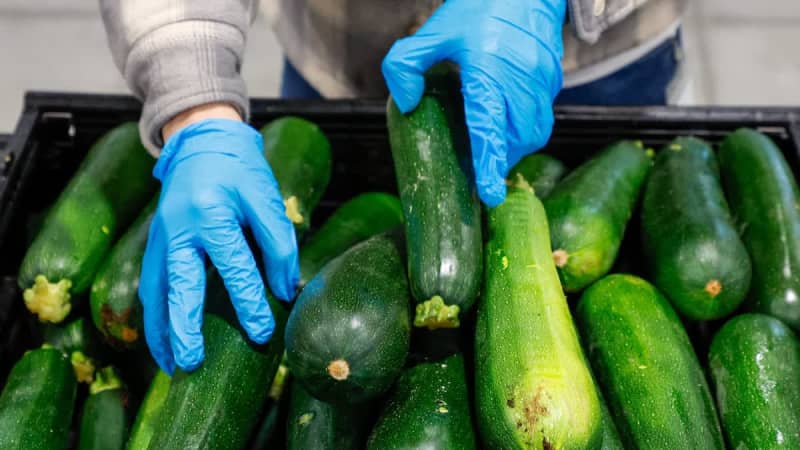
In 2019, the region’s largest food bank set an ambitious but seemingly reasonable goal: a hunger-free Tampa Bay by 2025.
“We felt it was really important to plant a flag in the ground,” said Thomas Mantz, president and CEO of Feeding Tampa Bay.
The organization estimated it would need to serve 115 million meals a year – roughly doubling its output at the time. It would expand its distribution system, open new food pantries and partner with more community organizations. Last fiscal year, it was nearly there, serving more than 100 million meals.
By all accounts, the nonprofit successfully scaled up its operation. But lines for food only grew.
As 2025 comes to a close, leaders at Feeding Tampa Bay say the need has multiplied beyond what any of themanticipated.
After a pandemic and federal threats to the nation’s social safety net, serving an increasingly needy population has gotten more complex with philanthropy alone.
Setting the goal
In years past, Feeding Tampa Bay focused on fighting the stigma of food insecurity and spreading awareness.
But hunger, locally, felt solvable.
The 115 million-meal goal was based on how many people in need would live in the 10-county coverage area, multiplied by the average number of meals they’d need the food bank to provide.

It felt like an important and attainable promise to make to the community, saidJayci Peters, the organization’schief experience officer. They planned to collect more food donations and expand the network of community partners to distribute them.
“At that time, it really was a volume and numbers game,” Peters said.
But then came the pandemic.
Feeding Tampa Bay’s clientele more than doubled when public life shut down. Since then, it has remained about 30% higher than before the health crisis, even after businesses reopened.
“I think it further cemented the idea that people are one missed paycheck away,” Peters said. “One crisis can really send somebody down a spiral of challenge that is hard to recover from.”
In the next few years, inflation in Tampa Bay led the nation, driven by high housing costs. Prices jumped 11% in 2022. Wages didn’t keep up.
There was also a jump in the number of people who make enough to exceedfederal poverty standards but still struggle with everyday expenses.They represent many of Feeding Tampa Bay’s clients, the group said. In 2023, nearly 20,000 more people in Hillsborough County were in that boat than four years before.
“We’re measuring this now, and we’re seeing it as an increase in meals to the community, but we’re not seeing a corresponding change in community need,” said Mantz.
This year, cuts to federal social safety net programs – including tofunding for Medicaid and the Supplementary Nutrition Assistance Program – threaten family budgets even more. Grocery lists are often the first to take a hit.
As drivers circled the Feeding Tampa Bay headquarters for emergency food distributions, Mantz said the food bank would increase hours and access as much as possible.
Throughout the government shutdown, the food bank served about 200,000 more meals a week than usual.
The organization had a “blueprint” for what it thought was needed, said Rachelle Thompson, senior director of programs. But the need was outpacing supply. Their goal became a moving target, leaders said.
Shifting strategy
As its goalposts changed, Feeding Tampa Bay leaders said the way they understood hunger changed too,with greater motivationto address the “root causes.”
A program that sent kids home on Fridays with meals to last the weekend expanded into more than 90 school food pantries to serve entire families. A new, massive headquarters opened in 2024 – providing not only office space, but a food distribution hub, a grocery store, a free restaurant and more.
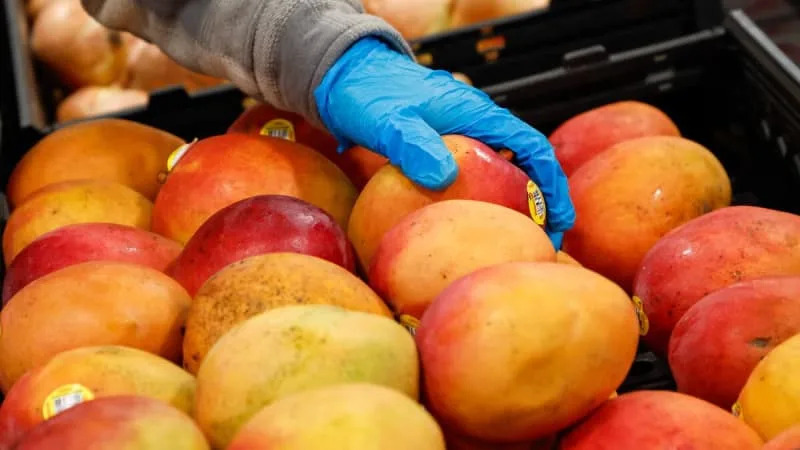
Food is just the entry point, said Rhonda Gindlesberger, chief operating officer. Partnering with other nonprofits, the food bank runs a workforce development program, a senior wellness initiative and offers some health screening services on site.
Today, there are more than 688,000 food insecure people in the 10 counties Feeding Tampa Bay serves, according to estimates by its parent organization. But the food bank’s leaders say providing food alone won’t solve the issue.
“People aren’t here because they are hungry alone,” Gindlesberger said.
Mantz said they’ll never work hard enough to become unnecessary.
“This will not change, so we need to be more thoughtful about how we do what we do.”