
Correction: This editorial was prepared before the state released the count totals late Tuesday afternoon but was inadvertently published online. It also had the wrong year for the prior hunt. It has been updated to reflect the most recent information.
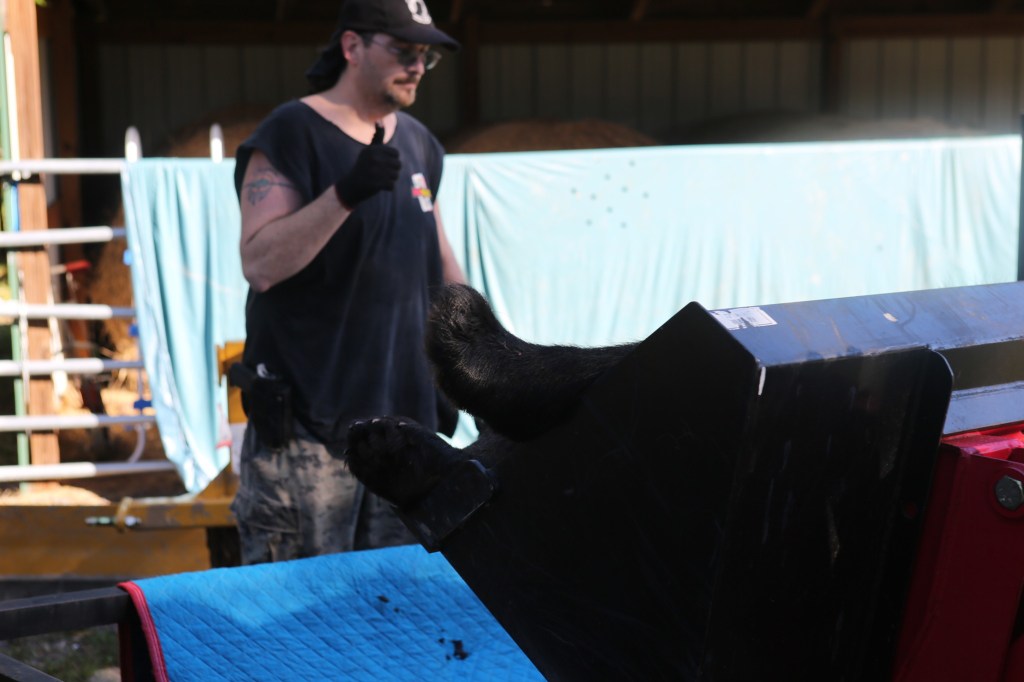
Tragically, it seems Florida officials learned all the wrong lessons from the 2015 hunt that saw the slaughter of at least 304 black bears in the space of a few days. This year’s hunt was far less destructive, but it was premature of state officials to declare it a success. Certainly, the hunt wasn’t a “success” from the standpoint of the bears that were killed, and the majority of Floridians who have made it clear they found the hunt repulsive.
During this year’s hunt, which wrapped up Sunday, grim lessons were on display:
1. Make the hunt less visible. During the 2015 hunt, the state operated check-in stations where hunters brought their bears to be tallied. This year, the Florida Fish and Wildlife Conservation Commission has eliminated those check-ins, doing away with the spectacle of bloody carcasses and stifling the ability of wildlife advocates to monitor the hunt in real time. This may obscure the gut-wrenching recognition that some of the bears killed were probably lactating females — and for every dead mother, there was probably at least one cub in danger of a lingering death from starvation.
2, Use sketchy, old data. The last time the FWC officially counted bear noses was in 2015, when it came up with a population estimate of 4,000 bears. In approving this hunt, some pro-hunting advocates took to social media with the claim that the number of bears was probably higher now. There’s simply no reason to believe that — starting with the fact that the FWC’s own scientists said, just a year ago, that bear populations were still lower than needed to maintain genetic diversity in three of the seven geographic “subpopulation” areas it identified throughout the state. We’ll take this straight from state-sanctioned curriculum on Florida’s black bear population: “Remind students that the two most significant human-caused factors affecting bear populations in Florida are loss of habitat due to development and road kills on highways that pass through areas of bear habitat.” Neither of these threats is going away any time soon; in fact, the state estimates that vehicles kill about 300 bears a year.
3. Go for the kill. Ignore the fact that there are more effective ways to manage human-bear interactions without slaughter. Knowing that Seminole County is one of the “hot spots” for bear activity near residential and commercial areas, county officials launched an effort to educate their residents and distribute bear-proof trash cans. These work well, keeping bears from turning neighborhood streets into all-you-can-eat buffets. Bears can still be spotted in Seminole, but county officials are rightfully proud of their efforts to protect bears and people without bloodshed. Lake and Orange counties now have ordinances requiring garbage to be secured, as do Apopka and Oviedo.
4,. Withhold key data. The FWC released a total amount of bears killed during this year’s hunt on Tuesday. The total was far less than anyone expected: 52, not the 172 originally intended. But critical details are still missing, including how many males and females were killed, where they were taken, and whether any of the females apeared to be pregnant or nursing. An email from an FWC spokesperson said a “full harvest report will be released in the coming months.” It might take some time to uncover the narrative behind the unexpectedly low number of bears killed, but the basic information should be made available sooner, so that environmental groups and animal advocates can be ready for the next round of court challenges as well as the discussion of a 2026 hunt.
The Central Florida-based Bear Warriors United, a formidable advocacy group, sued the state to stop the bear hunt based on the lack of adequate scientific evidence. In November, a Tallahassee judge denied the motion to stop this year’s hunt, but didn’t reach a decision on the lawsuit’s underlying merits. That battle is yet to come. The Human World for Animals (formerly Humane Society of the United States) filed a brief with the FWC in opposition to the bear hunt, says attorney Clay Henderson, arguing the decision was swayed by politics at the expense of science. That drew a disappointing response: “The Commission’s attorneys argued there was no requirement for them to follow science as they were fully empowered to manage wildlife as they see fit.” Henderson said. “Stay tuned. This battle isn’t over.”
If FWC officials really think they did the right thing and that the hunt was a success, there’s no reason to hide details of the hunt. But the longer they stall, the more suspicion they raise: Was there another slaughter of nursing mothers? Did some bears meet their end due to particularly brutal methods? No matter what happened, the FWC owes it to the public to disclose the basic data — and to reconsider the plans to have more hunts in coming years, knowing that none of their dodge-and-cover tactics lessened the blunt expressions of public disgust from the majority of Floridians who weighed in on this year’s slaughter.
The Orlando Sentinel Editorial Board consists of Executive Editor Roger Simmons, Opinion Editor Krys Fluker and Viewpoints Editor Jay Reddick. Use insight@orlandosentinel.com to contact us.