
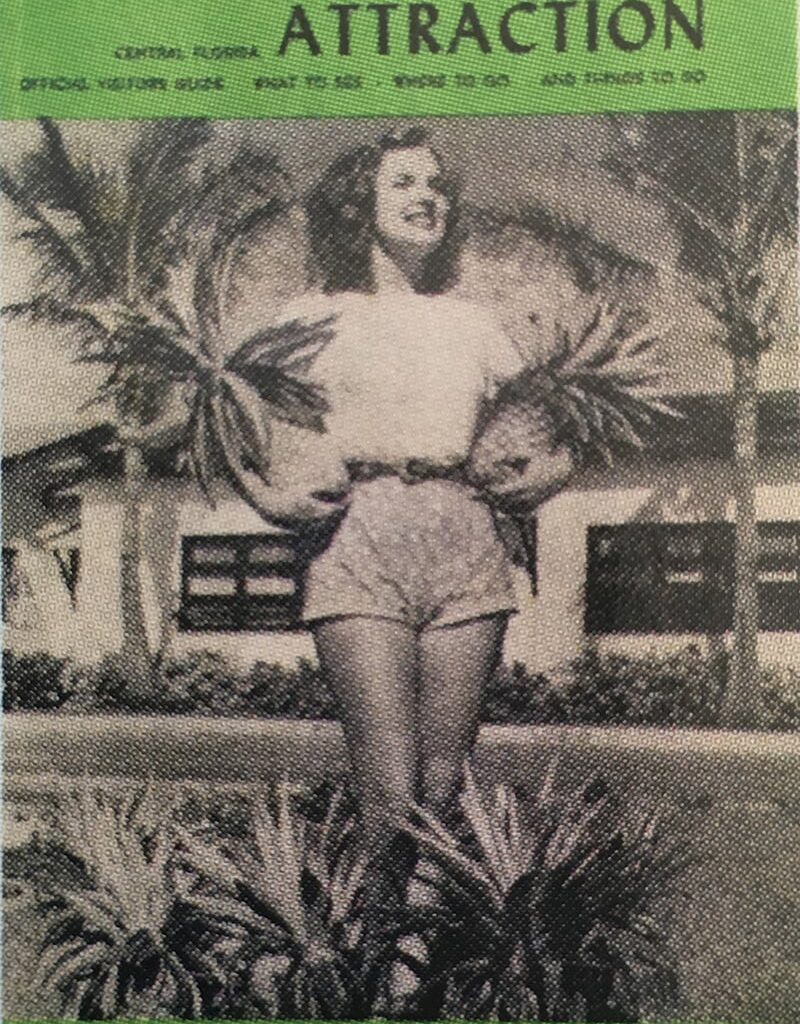
IN 2026, ORLANDO MAGAZINE TURNS 80, a remarkable milestone for any regional publication. What began in 1946 has evolved into a rich chronicle of Orlando’s people, places, culture and transformation. As Orlando shifts and grows, the magazine remains a constant: a lens into local life, an archive of change, and a living tribute to a city and its stories.
The Early Years: From Humble Origins to Local Voice

Hugh Waters, the founder of The Orlando Attraction.
In the beginning, there was Hugh Waters. In 1946 the newspaper ad salesman decided to quit his job and start a magazine that would cater to the small band of winter visitors who came to Central Florida each year. He called the digest-sized publication The Orlando Attraction, and it was published weekly from November to April, listing 20-30 pages of information such as local points of interest, the best places to fish and church locations. Think of a simpler time, before digital photography, slick color pages, and social media. Waters and his wife, Denny, ran the operation from their garage apartment. Both sold advertising. The average price for an ad: $3.75. Some of those earlier advertisers that kept the magazine alive: Gary’s Duck Inn, Cypress Gardens, Mount Vernon Inn, First National Bank of Orlando, and the San Juan and Angebilt hotels.
That small booklet was the start of Orlando magazine. It featured little editorial content, until, in 1962, an Associated Press journalist from New York named Edward L. Prizer bought the magazine for $17,000, deciding to focus it on the growth and development he saw on the horizon. He and wife Artice ran the publication from their house.
One of Prizer’s biggest innovations: Realizing that real estate could be sold in a magazine just as effectively as in newspapers. Still, the Orlando-Winter Park Attraction, as it was now called, struggled.
In its infancy, like many regional city magazines of the era, Orlando magazine began modestly — serving as a digest of local happenings, community news, and human interest stories. Over time, it became woven into the fabric of the region, giving readers both a mirror to their city and a window into its evolving identity.
Through the Decades: Name, People, and Identity Shifts
By the 1970s, Orlando magazine was known by a different moniker: Orlando‑Land Magazine. That earlier name evokes a different era, one of a smaller, more intimate Orlando, where the city felt more like a town and less like the metro-area juggernaut it is today.
Part of what powered the magazine through its early decades was the dedication of the staff, often working under lean conditions, yet determined to tell stories that resonated. In one piece reflecting on the early years, two of the magazine’s longtime journalists recalled working “out of a back bedroom of publisher Ed Prizer’s house in Maitland for maybe three years.” They used Selectric typewriters, handled layout, typesetting, proofreading; essentially wearing many hats and writing “like a diary,” striving to make their stories personal and relatable.
That deeply personal, community-rooted approach helped define Orlando magazine’s unique voice, distinguishing it from larger regional or national publications and binding it to the souls of local neighborhoods, businesses, and families.