
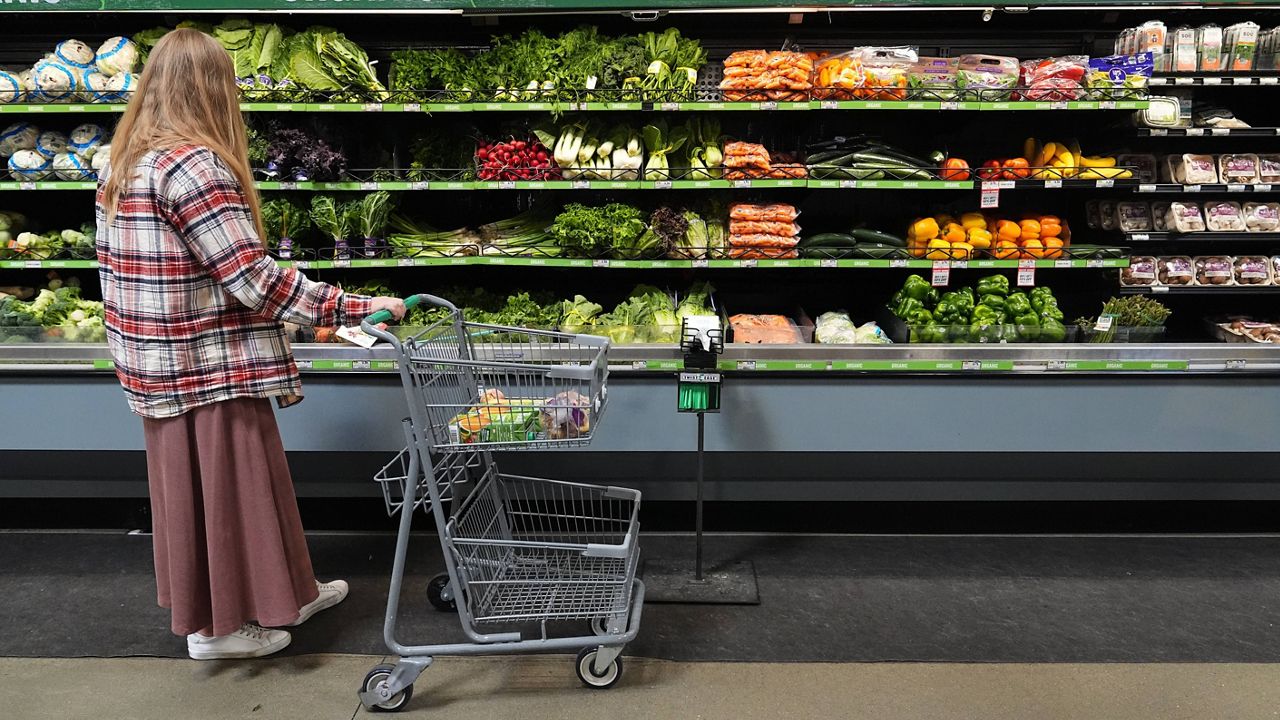
ORLANDO, Fla. — At the request of several states across the country that filed Supplemental Nutrition Assistance Program (SNAP) food restriction waivers, the government is implementing one change set to impact millions, whether they like it or not.
SNAP will now ban certain items from being eligible for purchase with benefits. It’s a costly change according to the Associated Press; one that could initially cost U.S grocery retailers $1.6 billion and then $759 million annually if it continues.
What You Need To Know
Beginning January 1, five states implemented changes to what can be purchased with SNAP
Items like soda, candy, prepared/processed desserts and energy drinks are now banned from being purchased with SNAP benefits in five states, and will be banned in other states later in the year
The five states already implementing the changes include, Iowa, Indiana, Utah, Nebraska and West Virginia. Florida will implement the ban on items starting April 20, 2026
According to the USDA, the initiative is in an effort to tackle obesity and “Make America Healthy again.”
Effective, Jan. 1, five states began restricting SNAP recipients from purchasing items like soda, energy drinks, candy and certain prepared foods.
According to the U.S. Department of Agriculture (USDA), Iowa, Indiana, Nebraska, West Virginia and Utah are leading the way on the effort, but 18 additional states have also made the request to change their state SNAP agency’s restrictions, and will see those changes implemented later this year.
The changes come as the government’s efforts to tackle the obesity epidemic and push to “Make America Healthy Again.” The SNAP food restrictions waiver allows state SNAP agencies a two-year period to experiment with changes that could improve the efficiency of the program.
Florida is among more than a dozen other states that will see the changes go into effect later this year.
According to the Healthy SNAP Florida website, the changes will be implemented April 20, and would promote healthy food options for families by prohibiting the purchase of things like soda, candy, energy drinks and processed prepared desserts.
While this is considered to be a stride toward fighting the obesity epidemic, according to the USDA, in an article by the Associated Press, the National Retail Federation predicts this change will result in longer lines at grocery stores as people adjust to what they can and cannot buy.
It can also result in consequences for retailers if they do not comply. The USDA stated there will be a 90-day grace period at first, followed by a warning for the first offense. After that, retailers could lose their authorization to accept SNAP benefits, in which they’d have to reapply and undergo an administrative review.
The changes apply to both in-store purchases and grocery delivery services.