
As we step into a new year, let me ask a simple question:
Who told you this untrue story about Eatonville?
That Eatonville is corrupt. That our town is dying. That we are broken beyond repair.
Let’s pause right there.
Good people sometimes do bad things. That does not define a people. And it does not define Eatonville.
Here are a few truths — shared not to offend, but to awaken hearts and invite real support:
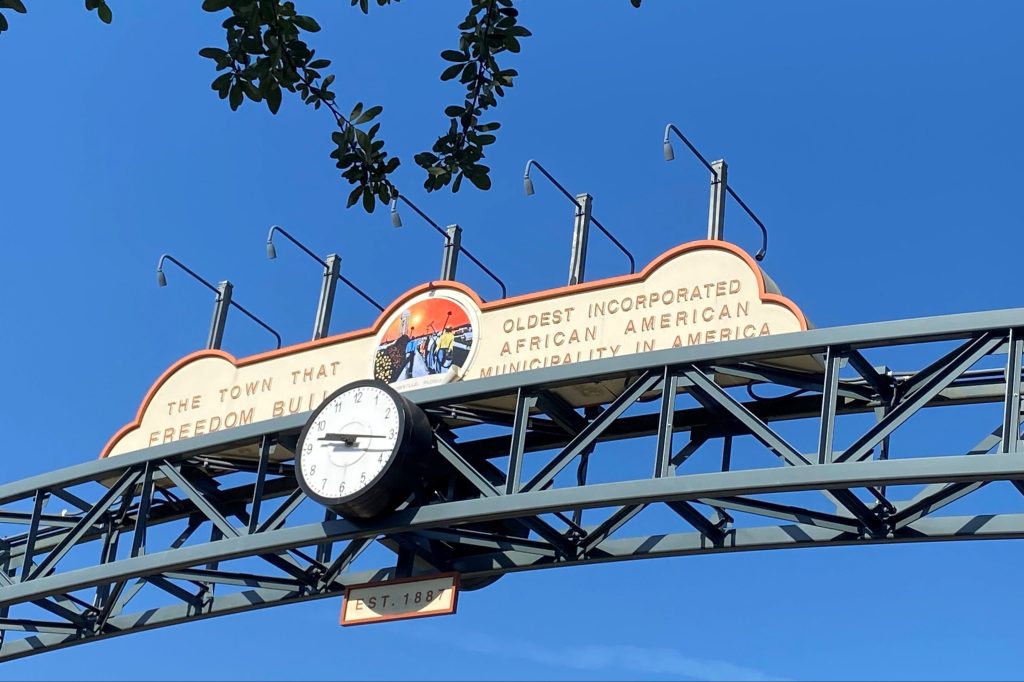
Eatonville is the first Black incorporated municipality in America, founded August 15, 1887. This is not folklore. It is American history. It is named after Josiah Eaton, Maitland’s first mayor — a reminder that our histories are deeply intertwined.
After emancipation, formerly enslaved people lived in what was known as Shantytown, near today’s Lake Lily, because they were not allowed to own land there. Lewis Lawrence, a Northern abolitionist and part-time Maitland resident, sold land east of Maitland that would become Eatonville, so Black families could own property, govern themselves, and build a future. That land transaction, combined with shared civic support, is why Maitland and Eatonville share the ZIP code 32751, a living reminder that the two towns helped one another incorporate.
Eatonville council wants last-minute changes to Hungerford land deal
At the time, women could not vote, and Black men’s political participation was under constant threat. Yet the freed people of Eatonville helped sign Maitland’s charter, and Maitland leaders helped Eatonville incorporate. This is shared history, not separate history.
The Hungerford School was modeled after Booker T. Washington’s Tuskegee Institute, so impactful that Eleanor Roosevelt visited the campus. In 1958, Orange County Public Schools acquired roughly 300 acres of historic Eatonville land. Over time, more than 200 of those acres were sold off at a profit. Eatonville is asking for the remaining land, the Hungerford property, to be returned.
 The first 50 acres were donated by Charles Hungerford. The second 50 acres were purchased and donated by Eatonville citizens themselves. Much of the land sold generated little economic return for Eatonville, despite being taken from it.
During COVID, Orange County Public Schools paid $1 million to dissolve the Hungerford Trust, and months later the school, football field, gymnasium and gathering spaces were demolished. A contract to sell the land back to Eatonville was agreed to in principle, but never signed or returned. A proposed deal involving Dr. Phillips was never ratified by the Town Council, raising fair and serious questions. Now, Eatonville faces proposals for a social-service hub and affordable housing model similar to what exists in the 32805 area.
Let me be clear: Eatonville does not oppose services or housing. But placing that model on historic land without preservation protections would raise property taxes, increase service costs for police and fire protection, and financially force longtime residents out. That is not revitalization. That is gentrification without preservation, segregation by another name.
So I ask, respectfully and plainly:
Why can’t Eatonville decide its own future? Why must others hold the keys to land that carries our ancestors’ fingerprints?
In 1887, newspapers asked: “How can these Negroes govern themselves?”
139 years later, that same question still echoes, through actions, not words.
Eatonville is not dying. We are being told we are dying, a narrative that conveniently lowers land value while erasing history.
Eatonville is not a burden. It is a cultural heritage site, a tourism destination and a living classroom that adds value to Orange County.
Development without history is erasure. Progress without people is hollow.
So as this new year begins, I call on all angels. Angels of truth. Angels of courage. Angels of conscience.
Stand with Eatonville. Listen to the story before you write the plans.
Honor the land.
Respect the people.
Preserve what America was brave enough to build in 1887.
John W. Beacham is a community historian and the founder of Eatonville 1887.