
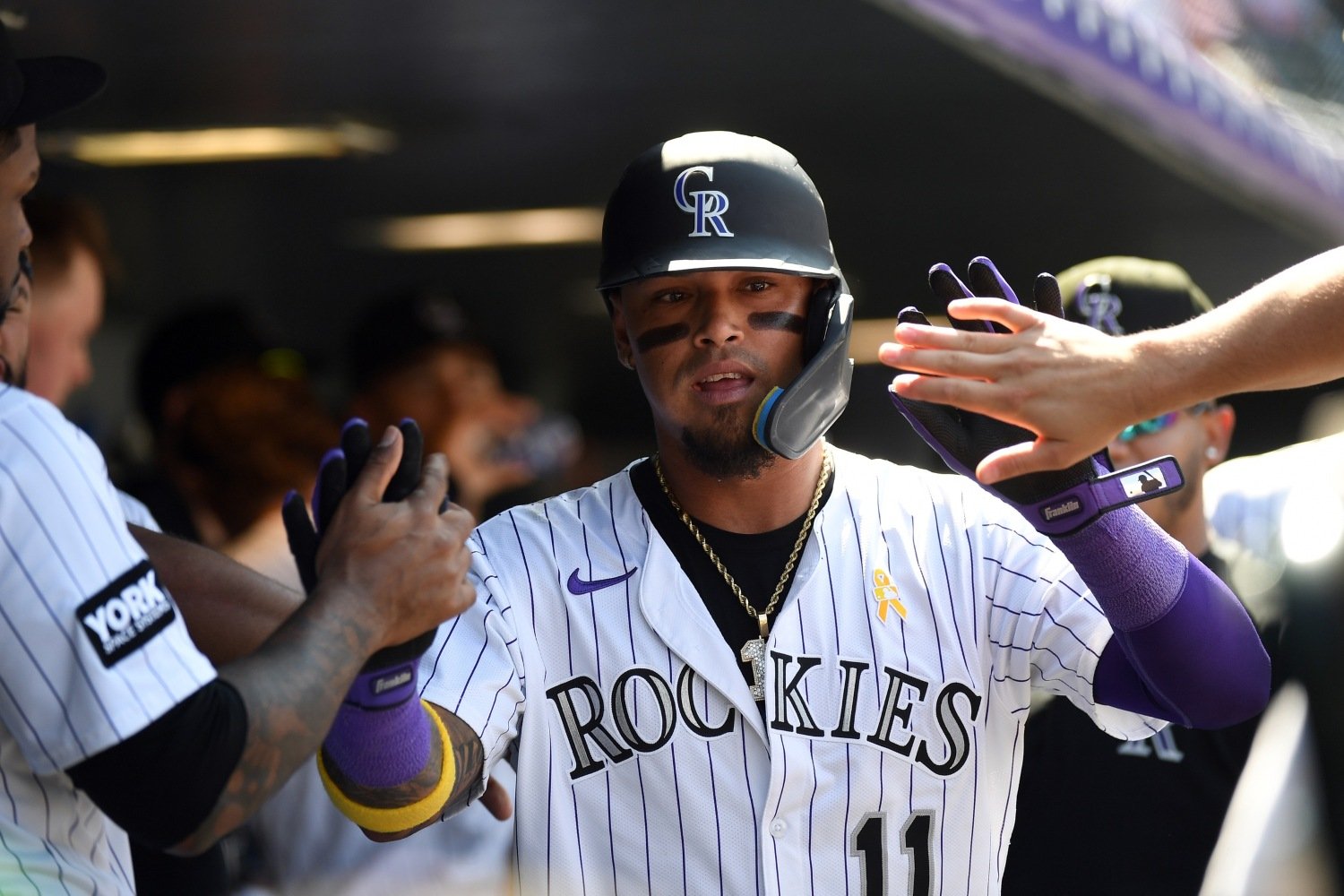
The Minnesota Twins made a quiet but telling roster move this week, bringing veteran shortstop Orlando Arcia into the organization on a minor-league contract with an invitation to big-league camp. It is not the type of signing that sells jerseys or sparks a hot stove frenzy, but it fits squarely into the front office’s plan for 2026. Derek Falvey loves to set a floor for the roster, and Arcia adds depth to a critical position.
Arcia arrives in Minnesota with a decade of major-league experience. He split last season between Atlanta and Colorado, logging time with two very different clubs and producing very similar results. By nearly every modern metric, he was among the least productive hitters in baseball with regular playing time. That is not new; he’s always been a glove-first shortstop.
Now 32, he has been the worst hitter with 800 or more plate appearances over the past two seasons. His 33 wRC+ was both a career low and the second-lowest of any player who took at least 200 trips to the plate in 2025. His glove keeps him employable, but only in a limited role, and only on a team willing to accept the offensive tradeoff.
There is some modest platoon usefulness, as his numbers have historically played a bit better against left-handed pitching (his OPS was 50 points higher versus lefties in 2025), but even that comes with caveats. The appeal here is almost entirely about defense, experience, and surviving a long season.
Earlier in his career with Milwaukee, Arcia was a plus defender at shortstop, combining for 13 OAA from 2017-18. Those days are gone, but he still grades out as serviceable, and last year he expanded his résumé by appearing at every infield position, including first base. On a roster where flexibility is often the difference between treading water and sinking, a player who can competently move around the diamond carries real value.
This signing is best understood through the lens of Brooks Lee. After being thrust into the starting shortstop role following the Carlos Correa trade, Lee handled a challenging assignment with professionalism, even if the results were uneven. Over 139 games, he posted a .236/.285/.370 line for a 79 OPS+. The Twins remain confident in his long-term outlook, but he hasn’t shown enough to be trusted as the only true shortstop on an active roster.
Behind Lee, the depth chart thins quickly. Ryan Kreidler provides defensive value but makes Arcia look like a robust hitter. Minnesota learned painfully over the last two seasons how quickly an infield can unravel when injuries hit, and Lee isn’t even an inspiring first choice.
Arcia gives the Twins a veteran option who can start 40 to 60 games if needed, and prevent the position from becoming a nightly adventure. If he breaks camp with the club, he’ll have a short leash. If he does not, he becomes a highly experienced presence at Triple-A St. Paul and the first call when things go sideways.
This is not a move about upside. It is about competence and protection. The Twins can afford creativity in the corners and even in the outfield. Shortstop is different. Minnesota cannot afford another season in which defensive erosion forces the roster into damage-control mode.
Signing Arcia will not fix the lineup, but it might keep a small problem from becoming a big one. Sometimes that is exactly the point.
What are your initial impressions of the Arcia signing? Leave a comment and start the discussion.