
The loss of someone close is an upsetting time that can be stressful and confusing from the start.
In addition, when the aftermath involves settling an estate, the chaos seems to go from bad to
worse. Ask a friend for advice and the familiar response is “I don’t know anything about
probate, you need a lawyer.” However, that’s not always true.
You might be able to handle it yourself, depending on your loved one’s assets. Enter Do-It-
Yourself Probate. (Probate is the management and distribution of a deceased person’s assets.)
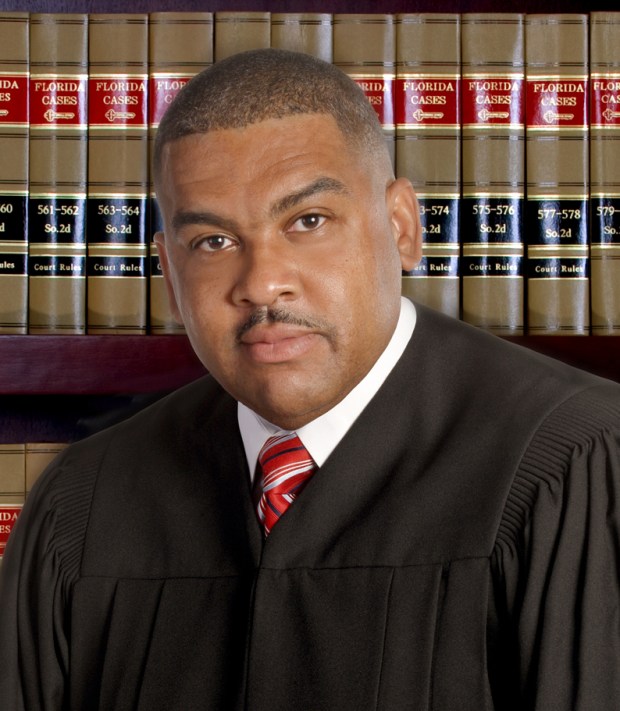 Judge Kenneth L. Gillespie is an administrative judge in the Broward County judicial circuit’s probate division. (courtesy, 17th Judicial Circuit)
According to the National Institutes of Health, more than 17,000 people die in Broward
County each year. Many more declare Broward their home for tax estate purposes, meaning
their probate occurs here too — suffice it to say, probate judges in the 17th Judicial Circuit are
extremely busy. Broward’s three probate judges currently handle more than 14,000 cases and many involve large estates, complex issues, extensive attorney fees, and take years to resolve.
The good news is that a person whose estate is too small to justify hiring a lawyer, but still needs to access a loved one’s bank account to pay for the funeral, transfer title to a car, receive retirement benefits, or determine who has rights to the house now has a do-it-yourself option that can save money and time.
Now, pro se litigants — individuals representing themselves in probate matters — can have their case assigned to a division that is staffed by magistrates who specifically allocate time to handle
smaller probate issues. While the magistrate cannot provide legal advice, they can steer your case
in the right direction, which is the goal for a pro se litigant. This option is called “summary
probate,” and it can be used in instances where someone died more than two years ago or if the
individual’s assets are worth less than $75,000.
Here’s how it works: A pro se litigant files a petition with the court for “summary administration”
that includes a detailed checklist for things like proof of payment for funeral and medical costs,
names of beneficiaries, creditor claims and whether or not real property is involved.
Next, the clerk of courts reviews the submission and assigns it to a general magistrate. The case
plays out in one of two ways: A magistrate reviews the case, determines everything is in order
and OKs the distribution of assets, or the magistrate sets a hearing to clarify unanswered
questions so the case can move forward.
“Having magistrates who dedicate time to a pro se probate docket to assist the general public
improves case management,” said Chief Judge Carol-Lisa Phillips. “This greatly reduces the
backlog of pro se probate cases previously assigned to judges who are usually busy with their
contested motion calendar docket and trial calendar.”
Fort Lauderdale resident Allyson Meyers used DIY probate and saved $5,000 to $10,000.
“Regular status updates with the clerk’s office ensured the paperwork was in order and helped
keep the process on track,” she reported.
Summary administration saves time and money by eliminating the need to submit an extensive
formal inventory, publish notice over an extended time, pay lawyers hefty fees and wait months
or years for the probate to conclude. Just remember, this option is not for large, complex estates.
However, if your case qualifies, you can access the forms you need online to file your own
probate case and save time and money.
Need some guidance? Go to the 17th Judicial Circuit’s Probate and Guardianship Smart Forms
website at 17th.flcourts.org/probate-and-guardianship-smart-forms-home-page for all related forms. You can also find a checklist at the 17th Judicial Circuit’s website that lists everything you need to get started with summary administration.
Judge Kenneth L. Gillespie is an administrative judge in the Broward County judicial circuit’s probate division.