
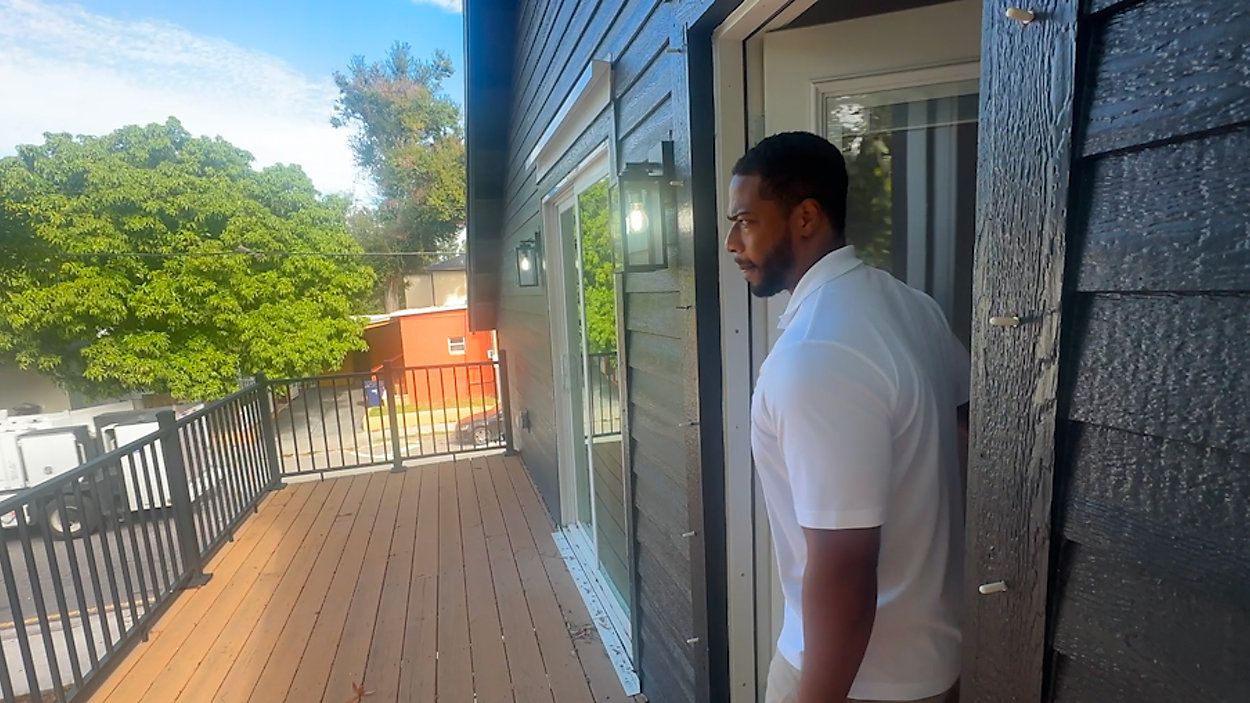
TAMPA, Fla. — When Colin Alexander Bendingo first came to Tampa, he didn’t arrive as a builder. He came as an accountant looking for a change.
What You Need To Know
After working on an East Tampa rehab project near the new Fair Oaks Park, Colin Alexander Bendingo decided to stay. He earned his General Contractor license, founded TRU Construction, and began investing in neighborhoods across the city
Through the city’s Infill Housing Program, small Black-owned builders like Bendingo are helping create attainable housing — while gaining long-term economic opportunity
According to the City of Tampa, while the first phase of the Infill program awarded all available lots to a single developer, later phases have been intentionally structured to create more equity and inclusion
More than 60% of the developers awarded lots in Phase II were Black-owned, and just under half in Phase III. When averaged together, more than half of the last two phases went to Black-owned developers
“I’m actually from Miami. I was a CPA when I graduated college,” he said. “But when I started doing home renovations, I was able to be outside. It just felt different. I kind of got addicted to it.”
After working on an East Tampa rehab project near the new Fair Oaks Park, Bendingo decided to stay. He earned his general contractor license, founded TRU Construction, and began investing in neighborhoods across the city.
Today, his growing company is part of Tampa’s Infill Housing Program — a public-private partnership designed to bring affordable homes to underserved communities while expanding opportunity for local minority developers.
“Infill Phase Three is really a push from the city to build more affordable housing,” Bendingo said. “I’m a small minority business, and I was able to apply and actually win a spot.”
Representation in development
According to the city of Tampa, while the first phase of the Infill program awarded all available lots to a single developer, later phases have been intentionally structured to create more equity and inclusion.
More than 60% of the developers awarded lots in Phase II were Black-owned, and just under half in Phase III. When averaged together, more than half of the last two phases went to Black-owned developers.
That shift isn’t accidental — it’s part of a broader conversation about who gets to shape Tampa’s future. Elevating Black and minority builders was a key topic at the 2025 Congress for the New Urbanism Florida Summit in Tampa, where industry leaders stressed that representation in development matters.
“If we could get to five percent or even ten percent in the next year — that’s huge,” one speaker said.
Building houses — and community wealth
For Bendingo, the mission goes beyond construction.
“I feel like what I do is important, because this is where people have their birthday parties, Thanksgiving, Christmas … This is home,” he said. “You want the experience of buying a house to be positive.”
He credits Tampa’s willingness to work with small builders as a reason he has grown.
“I’m grateful for the opportunity,” he said. “Tampa focuses on helping small businesses and minorities. A lot of cities don’t reach out — but here, they’ll call you, they’ll sit with you, they want you to succeed.”
He also hopes his journey inspires others.
“I didn’t realize I’d become an example for people,” he said. “But I think it’s important. There’s a lot of opportunity out there.”
As construction costs rise and Tampa’s housing demand continues to grow, city leaders say public-private partnerships like the Infill Housing Program will remain essential. The initiative is designed not only to create attainable housing, but to ensure the people building those homes also reflect the communities they serve.
For Bendingo, it’s simple: build quality, build trust, and build opportunity.
“Honesty, integrity, and really focusing on quality and customer service,” he said. “That’s what matters — making sure people are happy, and making sure the community benefits too.”