
A wide-ranging gambling reform bill from Jacksonville Republican Sen. Clay Yarborough would make several key changes in the state of Florida
SB 1164 proposes removing language from statute requiring the Florida Gaming Control Commission to select “appointees who reflect Florida’s racial, ethnic, and gender diversity.”
Similarly, it would remove consideration of “minority vendors” and “minority residents” in distribution of slot machine licenses, and would also strike the current requirement to report to the Gaming Control Commission regarding its efforts to hire members of minority groups.
The bill would also enhance penalties for those who stake, bet or wager on purportedly legitimate contests with predetermined outcomes, making those third-degree felonies.
Agents or employees of gambling houses would be subject to penalties as well. These would range from a first-degree misdemeanor for the first offense, to repeat offenses meriting felony charges of progressive gravity.

Landlords who rent out places to be used for gambling houses would also be charged with felonies.
The bill also targets internet gambling outside of Florida’s Gaming Compact with the Seminole Tribe, which allows sports betting via Hard Rock Bet. Gambling outside the legal framework would result in misdemeanor penalties, while an operator or promoter of illegal online gambling would face felony charges.
Rigged cardrooms are also targeted in the proposal, with third-degree felony penalties for those guilty of fixing games. That same penalty would also apply to those who set up internet games with “dice, cards, numbers, hazards or any other gambling device.”
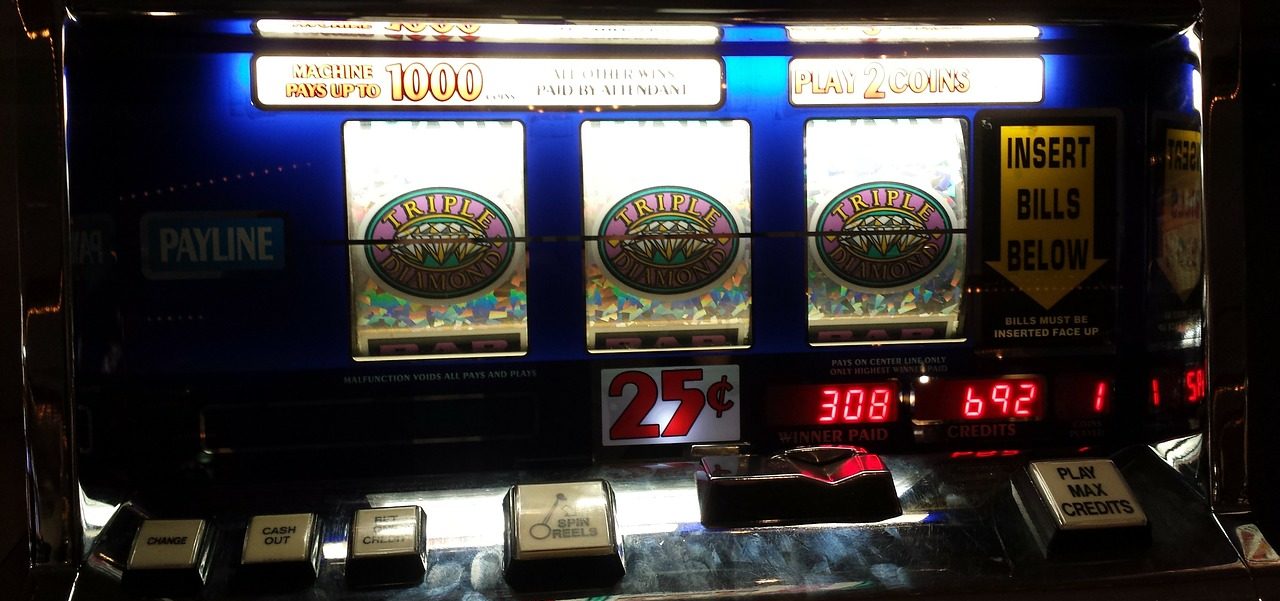
Operators and smugglers of illegal slot machines also could face harsher sanctions under this proposal.
First-degree felony penalties would be applicable to those convicted of bringing in more than 15 of the devices or parts thereof, with progressive fines contemplated. The harshest financial sanction proposed here: a $500,000 fine for bringing 50 machines or parts of them into Florida.

Bringing people into the state to gamble illegally would also be a felony offense. Bringing five or more adults of any age would be punishable by a first-degree misdemeanor, with third-degree felony penalties contemplated for bringing people over the age of 65 or under the age of 18.
Transporting 12 or more people would also be classified as a third-degree felony.
Advertising illegal gambling would also be defined as a criminal act. First offenses would be first-degree misdemeanors. Subsequent offenses would be third-degree felonies.
The bill also explicitly would revert regulation of illegal gambling to the state, stripping localities of the theoretical latitude to skirt this law if enacted.
The measure takes effect in October if it becomes law.