
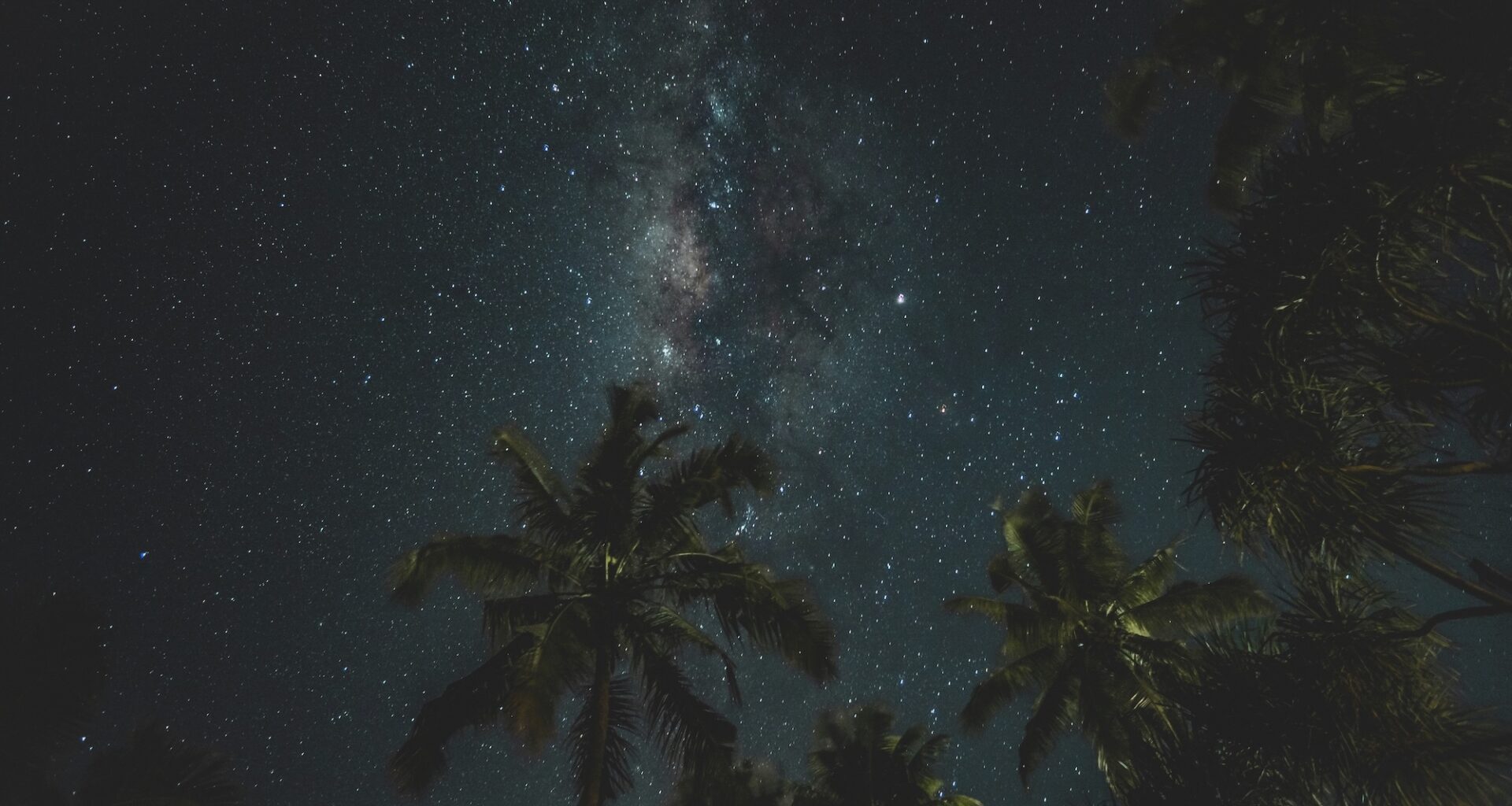
Sometimes you need to get away from the neon glow of Miami’s most active hubs. And in 2026, there are lots of reasons to find isolated spots away from light pollution, where you can catch jaw-dropping celestial shows for free.
Consider heading west toward the sawgrass and silence of Everglades National Park or Big Cypress Preserve, or visit one of a couple of South Florida parks featuring amenities for stargazers. Sunrise’s Markham Park is home to the Fox Observatory, New Times’ Best of Miami pick for the Best Free Thrill. In Palmetto Bay, Bill Sadowski Park has an astronomy deck, and the Southern Cross Astronomical Society hosts periodic stargazing events. Bring a blanket, your patience, and a fully-charged phone on airplane mode to enjoy.
From fiery meteors to dramatic eclipses and rare planetary meetups, 2026 is shaping up to be a banner year for Miami skywatchers. Here are ten celestial events worth pinning to your calendar, in chronological order, so you can plan your late nights and early mornings accordingly.
February 28: Six-Planet Alignment After Sunset
Just after sunset, six planets line up for a rare cosmic roll call. Jupiter, Saturn, Venus, and Mercury shine bright enough to spot with the naked eye, while Uranus and Neptune add bragging rights for anyone packing binoculars or a small telescope. The waxing gibbous moon will join the party too, making this one of the most photogenic sky events of the year if clouds cooperate.
March 3: Total Lunar Eclipse, Blood Moon
Early risers win big as the moon slides fully into Earth’s shadow between 3:44 and 9:23 a.m. EST. During totality, the moon glows red or orange as Earth’s atmosphere filters sunlight toward it, a phenomenon known as a Blood Moon. NASA notes the eclipse will be visible across the Americas, giving Miami a front-row seat to this moody, otherworldly spectacle.
April 21 to 22: Lyrids Meteor Shower Peak
The Lyrids bring reliable springtime shooting stars, averaging about ten meteors per hour under dark skies. Occasionally, they surprise with brief bursts that crank the count much higher. A waxing crescent moon at just 33 percent means favorable visibility, especially if you look away from its glow and let your eyes adjust.
May 31: Blue Micromoon
This full moon pulls double duty as both a Blue Moon and a micromoon. It is the second full moon of the month and also the smallest full moon of the year, sitting at its farthest point from Earth. It may look slightly smaller and dimmer than usual, but the rarity alone makes it worth a look.
August 12 to 13: Perseids Meteor Shower and Planet Parade
The Perseids are the summer blockbuster of meteor showers, regularly producing more than 50 meteors per hour. In 2026, they peak during a new moon, delivering near-perfect viewing conditions. Before sunrise, a six-planet parade stretches from east to southwest, with Jupiter, Mars, Mercury, and Saturn visible to the naked eye and Uranus and Neptune best spotted with optical instruments.
September 22: Venus at Its Brightest
Venus earns its nickname as “The Evening Star,” shining at peak brilliance and easily outshining everything else in the night sky except the moon. Even casual skywatchers will notice this one glowing low on the horizon and stealing attention from its surrounding stars.
October 4: Saturn at Its Brightest
Ringed and regal, Saturn reaches peak brightness and stays visible from sunset to sunrise on this fall night. With even a modest telescope, its rings become clearly defined, making this a great night for beginners to dabble in planetary observation, or for veterans to show off the crowd-pleasing classic.
November 9: Taurids Meteor Shower Peak
The Northern Taurids are slow and steady, averaging about three meteors per hour, but they are famous for producing bright fireballs. With a new moon creating dark skies, late evening viewing could reward patient observers with dramatic, lingering streaks across the sky.
November 24 and December 23: Back-to-Back Supermoons
Two supermoons — occurring when the full moon coincides with its closest approach to Earth — will close out 2026. At about 226,000 miles away, the moon appears larger and brighter than average, ideal for shoreline moonrises, night photography, or simply admiring how different the familiar can look.
December 13 to 14: Geminids Meteor Shower Peak
The Geminids cap the year with one of the most intense and dependable meteor displays around, producing up to 120 meteors per hour at its peak. Bright, fast streaks radiate high in the sky, and with the waxing crescent moon setting early, conditions are primed for a big ol’ grand finale. Find a dark spot after midnight, settle in, and let 2026 go out in a flurry of fireballs.