
Legislation to grant sweeping business muscle to Broward County’s two hospital districts died unheard last year. Now it’s back, with even more aggressive language aimed at empowering the districts and their shared CEO while shielding them from liability.
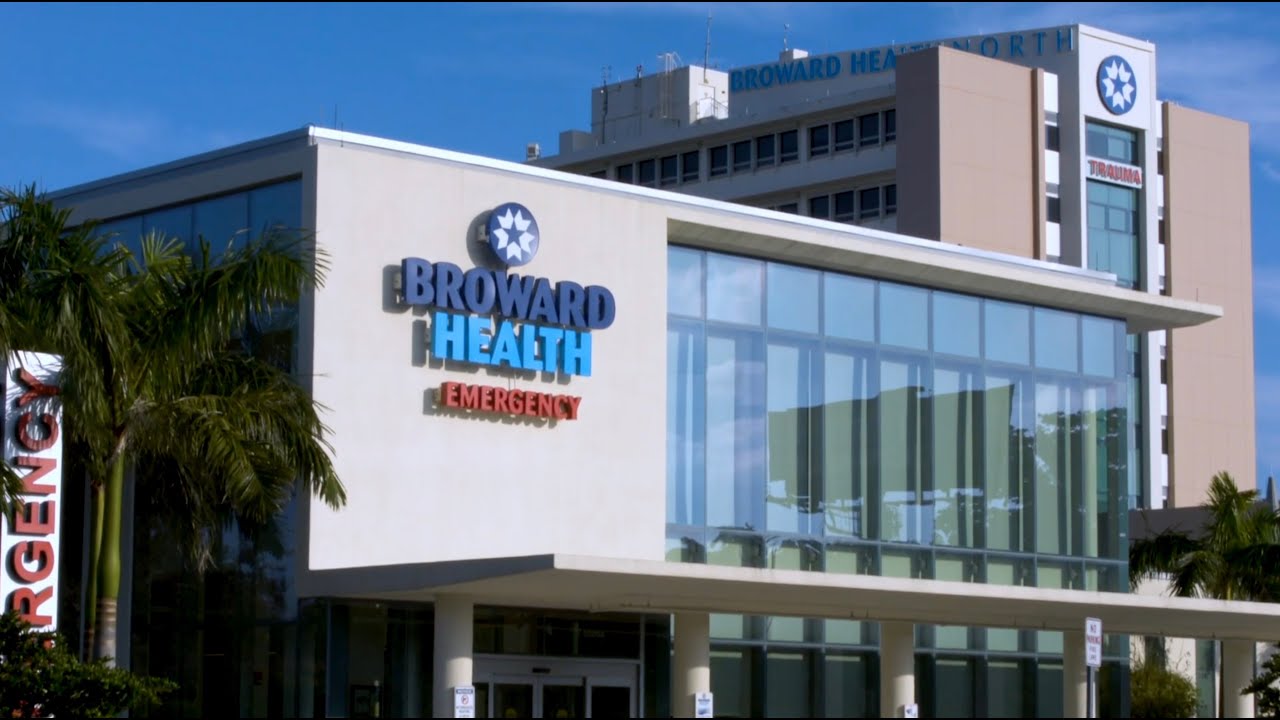
This week, Dania Beach Republican Rep. Hillary Cassel filed HB 1047, a barely three-page bill with significant bearings on Broward Health and Memorial Healthcare System, both led by Shane Strum, Gov. Ron DeSantis’ former Chief of Staff.
The measure and its upper-chamber companion (SB 1122) by Sarasota Republican Sen. Joe Gruters would authorize two or more special hospital districts to jointly form, participate in, or control a wide range of collaborative health care ventures — including public or private, for-profit or nonprofit entities — anywhere within their combined boundaries.
Notably, the legislation would explicitly give the districts and their partners immunity from state action, allowing them to collaborate regardless of anticompetitive effects or potential conflicts with state or federal antitrust laws.
Such collaborations are a “public necessity,” the bills declare, to improve access to treatment, strengthen provider integration and promote continuity of care.
The legislation is a sequel to twin bills with generally the same aims that Cassel and Miami Springs Republican Sen. Bryan Ávila carried during the 2025 Session. It’s largely identical substantively, with some key differences.
Most importantly, HB 1047 and its Senate analog explicitly grant state action immunity to parties that jointly enter into or participate in collaborations with hospital districts, meaning that both the districts and their partners would be shielded from antitrust liability. The 2025 bills do not include the term “state action immunity.”
The 2025 bills also include the qualifying phrase, “to the extent authorized by the State Constitution,” before itemizing the districts’ added powers. HB 1047 and SB 1122 contain no constitutional limitation language.
Supporters of last year’s measures, including Strum and lobbyists for both districts, framed the proposal as an efficiency tool that would let the systems share resources, cut costs and better compete with larger, for-profit chains like HCA Healthcare. Health policy experts noted that collaboration could increase purchasing power and improve care for uninsured and underserved patients.
“Broward families need greater access to emergency, maternity, and specialty healthcare, and our public hospitals are the backbone of that access,” Cassel said of her new measure in a statement Thursday. “This bill puts patients first by allowing Broward Health and Memorial to collaborate and expand care where it’s needed most, ensuring our public hospitals can better serve the community and compete actively while keeping healthcare dollars invested locally.”
A press note from Cassel’s Office said that according to local data, 21% of all infant deaths and 36% of Black infant deaths occur in just two ZIP codes in Broward, one of Florida’s most populous and diverse counties, but one where “access to care remains uneven.” Hypertension affects one in 10 residents, and nearly 200,000 people experience food insecurity, including thousands of children.
“The strain on public hospitals has intensified as private providers scale back services,” Cassel’s Office said. “In 2022, Holy Cross Health in Fort Lauderdale permanently closed its maternity and labor and delivery unit, citing staffing and financial challenges. When private hospitals exit unprofitable services, the burden falls on Broward’s two public hospital systems, which serve all patients regardless of ability to pay.”
Cassel’s Office added that 21 other states have adopted “the same legislation.”
Critics, however, warned last year that the legislation amounted to a backdoor merger that would bypass public scrutiny, regulatory review and possibly a countywide referendum otherwise required under state law. Memorial employees, physicians and community advocates raised alarms about transparency, governance and the potential shifting of financial burdens from North Broward’s struggling Broward Health system onto South Broward taxpayers.
The legislation arose during a period of internal change at Memorial, where Strum, appointed interim CEO in September while retaining his Broward Health role, oversaw layoffs, demotions and workforce restructuring. Memorial’s board praised the actions in March as part of a mandate to eliminate redundancies and increase efficiency. Some employees alleged declining morale and feared further cuts.
Public opposition included a Change.org petition that by April amassed nearly 2,000 signatures, many from health care workers and residents.
SB 1122 or HB 1047 would take effect upon becoming law. The 2026 Legislative Session begins Tuesday.