
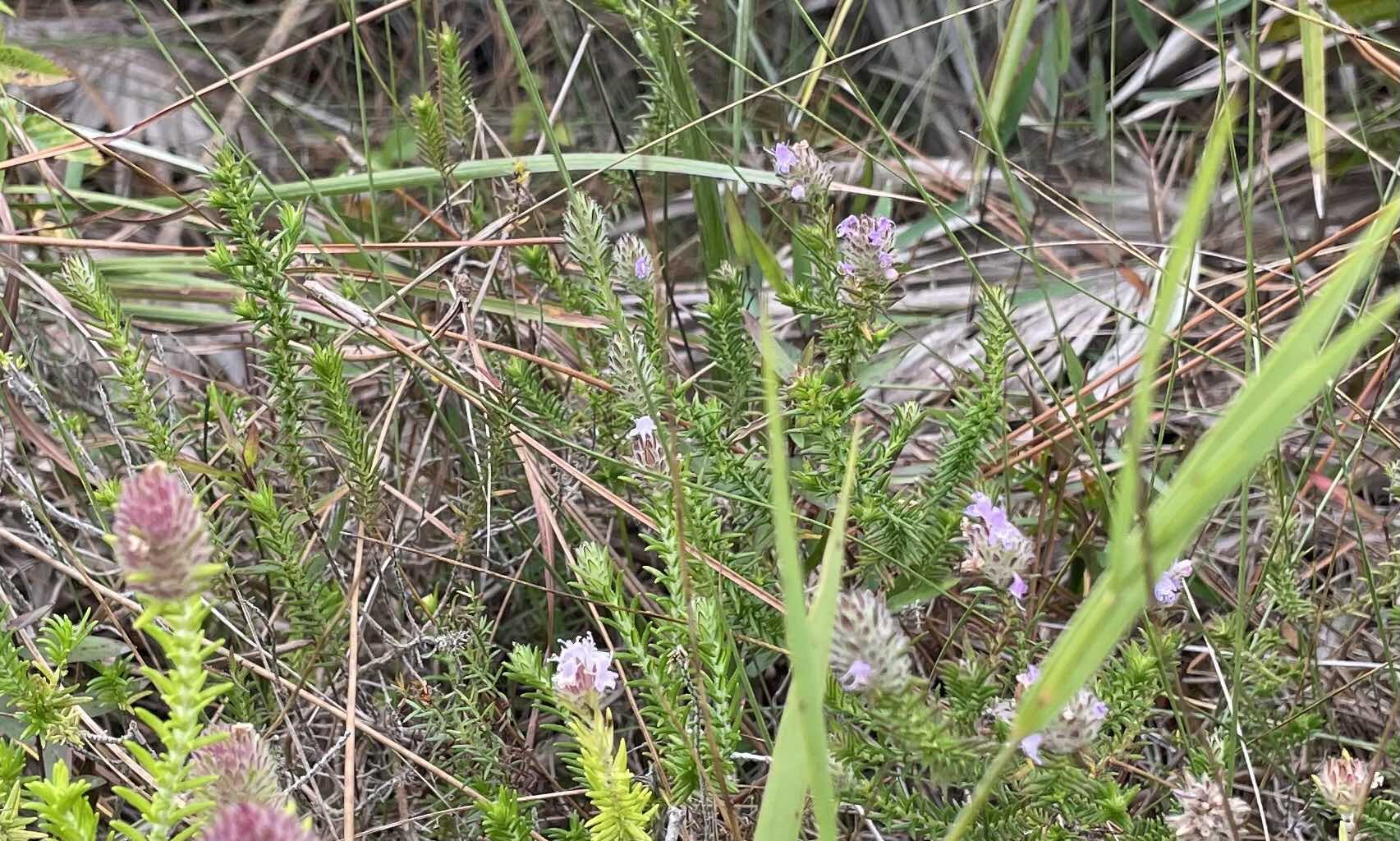
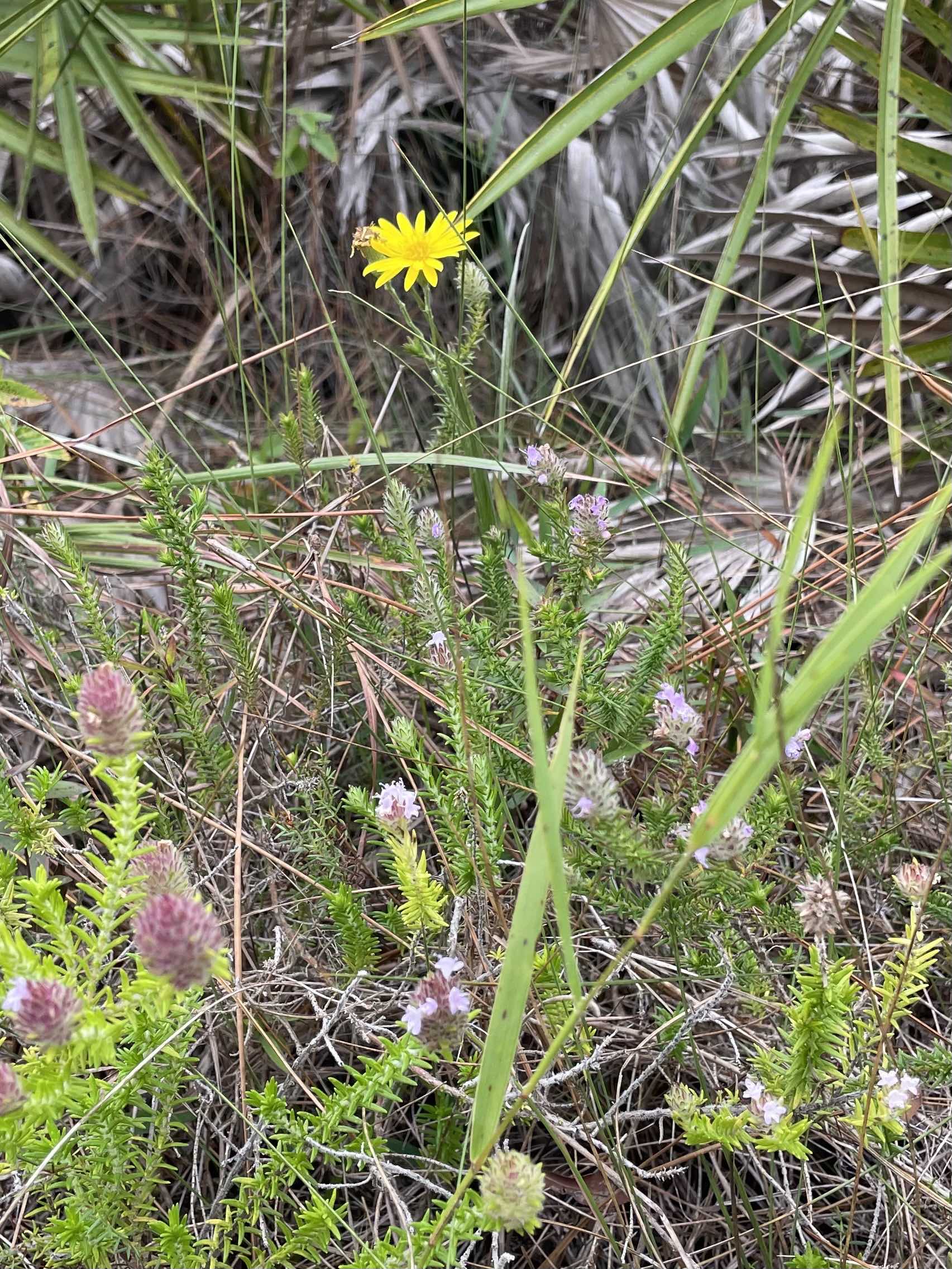
Spring in the scrub. -ROGER WILLIAMS / FLORIDA WEEKLY
Now in mid-January, every human being living south of I-4 between Tampa and Orlando can toss the cycle of standard North American seasons on its head and plunge into spring.
Most of our fellow Americans have plunged into winter, but not us. Winter has left us now that it’s January, except on the calendar. There, spring hides a couple of pages away, awaiting March 20, the vernal equinox.
On the ground in the Sunshine State, Januarys spring arrives without warning, appearing underfoot in its first breathless blush, or blooming in the tiny wildflower asters up in the scrub, or gloving the tree-top fingers of cypress stretching far above us in a verdant shadow still so pale and delicate even the tops of the old live oaks, proud in their distinctive evergreen fraternity, nevertheless seem a little humbled by the resurrection around and above them.
I’m telling you this because it was a tough year, as years tend to be, but it’s over now for us, that old one, ushered aside by spring. What good is that?
Ada Limón, the 24th poet laureate of the United States, will tell you here in her poem, “Instructions on not giving up,” shared with me by an ecologist and professor at Florida Gulf Coast University, Win Everham.
“More than the fuchsia funnels breaking out
of the crabapple tree, more than the neighbor’s
almost obscene display of cherry limbs shoving
their cotton candy-colored blossoms to the slate
sky of Spring rains, it’s the greening of the trees
that really gets to me. When all the shock of white
and taffy, the world’s baubles and trinkets, leave
the pavement strewn with the confetti of aftermath,
the leaves come. Patient, plodding, a green skin
growing over whatever winter did to us, a return
to the strange idea of continuous living despite
the mess of us, the hurt, the empty. Fine then,
I’ll take it, the tree seems to say, a new slick leaf
unfurling like a fist to an open palm, I’ll take it all.”
She was 41 when she wrote that in 2017, and now only eight days after official spring steps out of the calendar this year, she’ll be 50.
Does one still feel at 50 the way one feels at 41 or 21 or 101?
I don’t know.
But I do know that I feel that way now, because I insist my own spring return only a few minutes after winter sets in, every time. After, say, the car breaks down, or a muscle pulls, or a politician votes to smack down a big high school in the middle of a rural neighborhood with live oaks and slash pines and spring-leaning cypress and no infrastructure in place. That will come now in my own neck of the Alva woods, thanks to a school board that just doesn’t get the picture.
The picture is green, a new slick leaf unfurling like a fist to an open palm, no matter what else is happening. But you can’t do it if you paved paradise and put up a parking lot, as Joni Mitchell sang in “Big Yellow Taxi” even before Ada Limón was born, in 1970.
Come to think of it, you can’t have spring in a development winter like the one our state legislature seems inclined to deliver to us, either. One of the ironies of contemporary Florida politics lies in this reality: Republicans were once the champions of local control, of proprietary small government saddled with a minimum of big government interference.
Do away with “big government” was their mantra.
But in the last couple of years, and in the legislative session that began this week in Tallahassee when 120 state representatives and 40 state senators get together for eight weeks to decide how much money to spend, they’ve proposed and passed new laws that take control of communities from local leaders.
Roger Williams. -COURTESY PHOTO
Let’s say a hurricane rolls in and eight feet of water surges through a waterfront community, damaging or destroying homes and businesses in a flood. And let’s say people know it’s going to happen again, so local leaders decide to zone coastal areas with minimum height requirements of 10 feet above ground level for new construction.
Well, I’m sorry, but that’s out, and it’s out for any community within 99 miles of a hurricane’s landfall. State legislators have forbidden it, they say in the interests of letting those whose lives were upended build back faster, and without a bunch of costly local regs.
As for Democrats? They used to run around creating state government regulations that would help ensure “smart growth” whether local leaders wanted to be regulated into it, or not.
Not now.
So now it’s spring. I don’t know what you’re going to do, but I’m going to remember a couple more lines from the poet.
“Look,” she wrote: “we are not unspectacular things. We’ve come this far, survived this much. What would happen if we decided to survive more? To love harder?”