
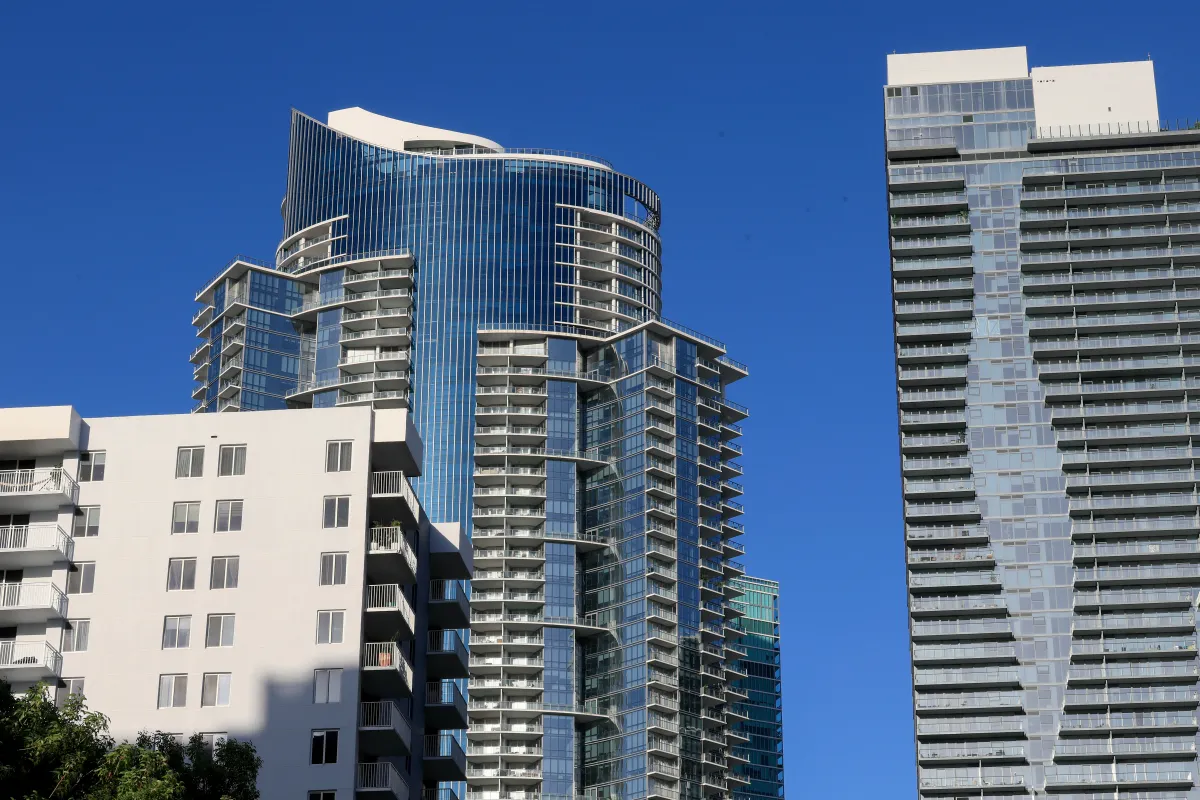
The value of a Florida condo has dropped nearly 50 percent as the larger housing market suffers in the state.
The condo, at 1 Beach Drive in St. Petersburg, has seen its value fall 49 percent over the last 10 years, according to its Zillow listing. In 2016, the unit was worth roughly $489,000; now it’s $249,000. Since the end of December alone, the condo’s asking price has fallen $64,000 to $256,000. In 2022, the same property had a market value of more than $1 million.
Why It Matters
The St. Petersburg condo market has been declining in value over the last several years. In the 33701 ZIP code, where the condo is located, values have fallen about 10 percent over the last three years, according to data from Reventure.
 What To Know
The condo unit’s decline in value is an indicator of a larger market shift. Particularly for units in older buildings with huge assessments, prices are dropping significantly.
“This is because in its building in Downtown St. Pete they found $45 million in needed repairs,” Reventure CEO Nick Gerli wrote on X. “The building was built in 1975. And post-Surfside collapse, many of these older properties are being caught up on deferred repairs from the last couple of decades.”
The St. Petersburg condo is described as one with “stunning city views and access to a rooftop pool with full panoramic views.”
“This spacious unit features an open floor plan with two large bedroom suites, each with an ensuite bath and walk-in closet. A versatile bonus room is perfect for a home office or den,” the listing reads.
“Enjoy fresh air and beautiful views from your private balcony with sliding glass doors. Just steps from marinas, waterfront parks, restaurants, shops, and the vibrant Beach Drive, Bayfront Tower delivers full-service living with 24-hour concierge, valet service, and covered garage parking. Exceptional amenities on the 28th and 29th floors include a fitness center, library, lounge, heated pool, outdoor kitchen with grills, and a rooftop walking track with breathtaking views in every direction.”
Despite the condo’s location, it may be suffering as a result of new building safety regulations sparked by the June 2021 collapse of the beachfront Champlain Towers South in Surfside, Florida, that killed 98 people.
Subsequently, ownership costs, from HOA fees to insurance premiums, are skyrocketing, causing a further decline in value.
“Issues persist in both Florida and many other states with housing affordability and affordability in general,” Alex Beene, a financial literacy instructor for the University of Tennessee at Martin, told Newsweek. “It’s a domino effect: With inflationary pressures weighing on the budgets of most Americans, summoning the cash to even make a down payment a reality is a stretch.”
What People Are Saying
Alex Beene, a financial literacy instructor for the University of Tennessee at Martin, told Newsweek: “In recent years, we’ve seen sellers hold out, partially because prices weren’t going down and partially because if they locked in a lower interest rate, they were more than likely not in a rush to move. However, the housing market being sluggish for an extended period of time in some locations has caused sellers to finally break and slash their asking prices. It could be both a positive sign for some potential buyers and a negative sign for the economy as a whole.”
Kevin Thompson, the CEO of 9i Capital Group and the host of the 9innings podcast, told Newsweek: “Condos are trying to bring new buyers to their market, and prices are needing to adjust to entice those owners. The market shot up far too much during the pandemic as cash buyers moved in from places like the Northeast and the West.”
What Happens Next
Thompson said Florida residents should expect the trend of declining condo values to persist for the rest of 2026 or even beyond.
“The Florida market is in a precarious situation as supply and demand continue to fight it out,” he said. “I would not expect this trend to end any time soon as interest rates have normalized, and prices remain high.
“The same can be said about the national housing trend: affordability is the issue—not interest rates. Some pundits believe that lowering rates will open up housing supply, but that’s highly erroneous. Lower rates would simply push prices higher, especially as older homeowners flush with equity look to downsize, further pricing out first-time homebuyers.”