
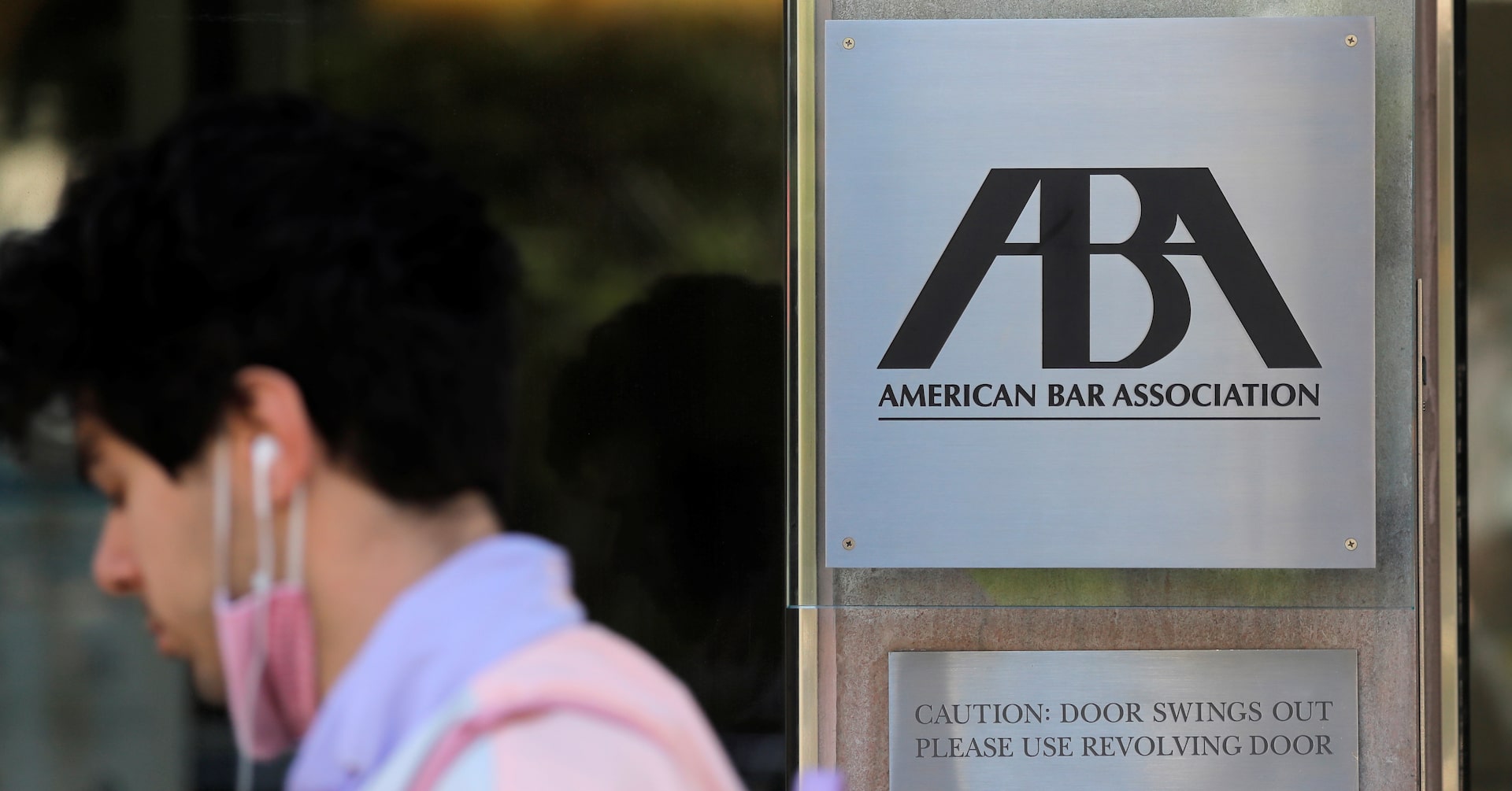
Jan 16 (Reuters) – Florida has become the second U.S. state to reduce its reliance on the American Bar Association to determine graduates of which law school can become lawyers, following Texas.
The Supreme Court of Florida said in an opinion, opens new tab on Thursday that it was replacing the ABA as the “sole accrediting agency” for law schools whose graduates may take the state’s bar exam, which is a requirement to practice in the state.
Sign up here.
Graduates of ABA law schools are still eligible to take Florida’s exam, but the court said it plans to extend bar eligibility to law schools approved by other federally recognized accrediting agencies — though it noted that no such agencies currently have rules specific to law schools. The court said it will contact other accrediting agencies to gauge their interest in approving law schools.
“The court’s goal is to promote access to high-quality, affordable legal education in law schools that are committed to the free exchange of ideas and to the principle of nondiscrimination,” the court said in a 5-1 ruling.
Florida Governor Ron DeSantis, a Republican, called the decision a “good move” in a post on X. “The (highly partisan) ABA should not be a gatekeeper for legal education or the legal profession,” he wrote.
Jenn Rosato Perea, the ABA’s managing director of accreditation and legal education, said in a statement that the order “reinforces the authority” which the Florida court has always had over lawyer licensing there, and that the ABA will continue to improve its standards and promote the benefits of a national accreditation system.
The Supreme Court of Texas finalized a similar plan on January 6, saying it planned to develop its own criteria to approve non-ABA accredited law schools and allow their graduates to be licensed to practice. Ohio and Tennessee are also reviewing their ABA requirements.The states’ moves to shrink the ABA’s oversight come amid a wider conflict between the ABA and President Donald Trump’s administration, though the ABA’s law school accreditation arm operates independently from the larger ABA.The association has clashed with the administration over Trump’s attacks on judges and law firms. In April, Trump directed the Department of Education to assess whether to suspend or terminate the ABA council as the government’s official law school accreditor, citing its “unlawful ‘diversity, equity, and inclusion’ requirements.”
The U.S. Justice Department in May curtailed the ABA’s longstanding role in vetting judicial nominees and in April, barred its attorneys from traveling to or speaking at ABA events, saying the organization has been engaging in “activist causes.”
A White House spokesperson in March had called the ABA a “snooty” organization of “leftist lawyers,” after the ABA condemned criticism of judges by administration officials. The ABA has sued the administration over canceled domestic violence grant funding and Trump’s executive orders targeting individual law firms.
The lone dissenter in Thursday’s opinion, Florida Justice Jorge Labarga called the state’s changes to accreditation an “extraordinary step,” and said Florida’s reliance on the ABA has worked well since 1992.
“I strongly believe that the best course for our legal educational system, our legal system, our profession, and above all, for Floridians is to stay the course with the ABA as the sole law school accreditor,” Labarga wrote.
On Friday, the ABA’s Council of the Section of Legal Education and Admissions to the Bar which oversees law schools voted to establish a new body to handle accreditation matters, separate from the council’s other business such as promoting best practices and convening leaders across legal education.
It also advanced a proposal that would limit the number of times the ABA’s policymaking body, called the House of Delegates, can weigh in on proposed changes to the law school accreditation standards.
Taken together, those changes— which are not yet final — would “reinforce the council’s independent decision making and make its processes more efficient,” said the ABA’s Perea.
Read more:
Texas becomes first state to end ABA role in lawyer admissionsABA’s law school division seeks greater independence amid political backlash
Our Standards: The Thomson Reuters Trust Principles., opens new tab
