
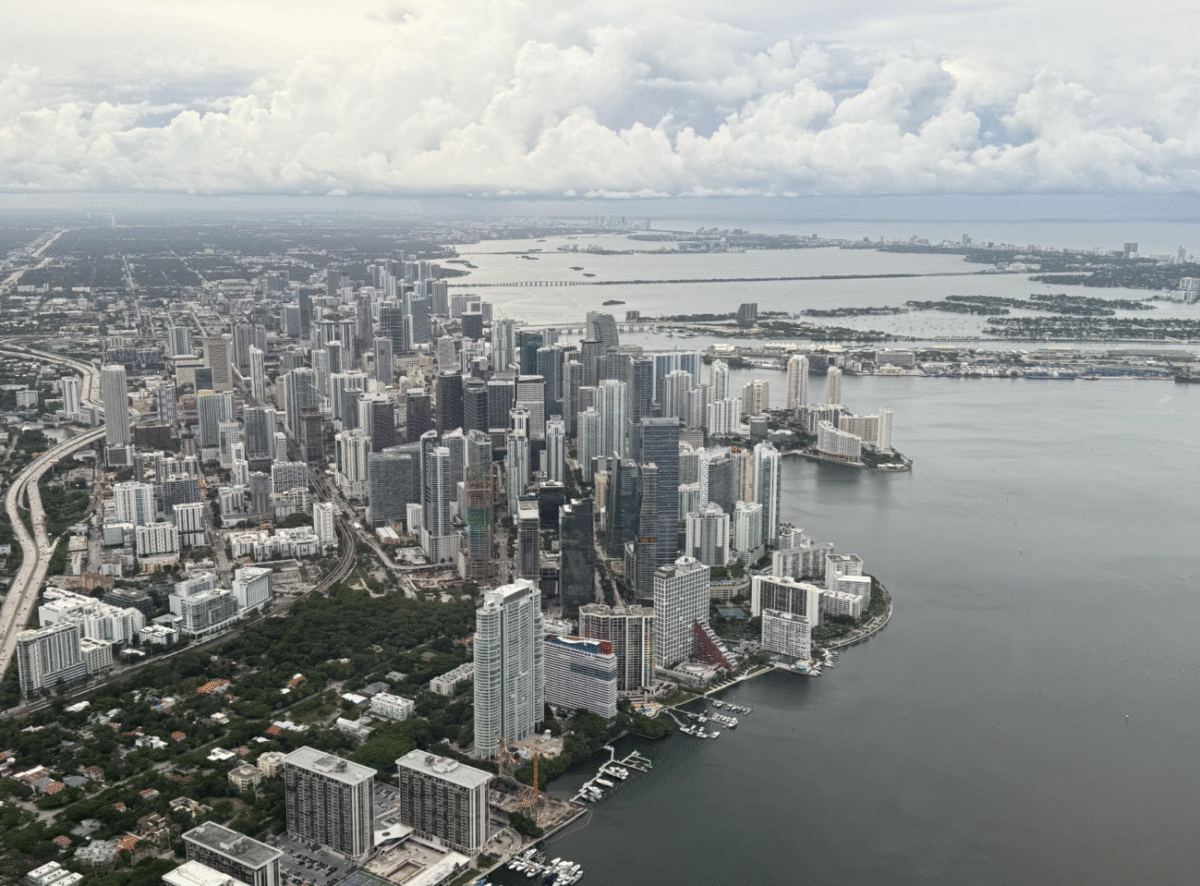
PortMiami is the formidable engine of Miami-Dade’s economy. Far more than a scenic backdrop, the 520-acre island powerhouse supports over 341,000 jobs statewide and contributes over $61 billion to the regional economy. But this vital economic driver is facing a critical threat. The port’s sole fuel supply facility, a decades-old terminal on adjacent Fisher Island, has been sold to a private developer, creating a potential “fuel crisis” that could stall the entire operation.
This challenge has forced a difficult conversation among county leaders, with the future of the region’s supply chain and cruise industry hanging in the balance. But what began as a crisis over a single property has taken an unexpected turn. The negotiations have revealed a fundamental choice about the port’s future: Is it merely a collection of commercial contracts to be managed, or is it a strategic public asset to be holistically planned for the next generation? Here are the most impactful facts behind the headlines that illuminate this generational decision.
The Surprising Twist: A Developer’s $200 Million Offer Inverts the Logic
The initial conflict was a classic standoff. Miami-Dade County, needing to secure its fuel supply, was on a path to acquire the aging fuel farm on Fisher Island from its prospective buyer, developer HRP Fisher Island LLC (HRP). Early proposals would have kept the old facility running for a set term, costing the county over $1.1 billion without offering a permanent solution. The stage was set for a protracted and costly battle over an outdated asset.
Then, on October 1st, HRP shattered the stalemate with a proposal that inverted the financial logic of the entire debate. Instead of the county paying a fortune to preserve the old facility, the new plan involves the current operator, TransMontaigne, investing an estimated $200 million to develop a brand-new, modern fuel facility directly on PortMiami property. This proposal transforms HRP from adversary to potential partner and, more critically, could turn a massive county liability into a revenue-generating asset through a long-term land lease. The focus has instantly shifted from preserving the past to building the future, a high-stakes pivot made necessary by the port’s unique physical reality.
The Stakes: PortMiami is an Economic Superpower on a Postage Stamp
To grasp why the fuel debate carries so much weight, one must understand PortMiami’s immense—and uniquely efficient—role. The numbers are staggering. According to a 2023 analysis, the port’s economic output is equivalent to 3.9% of Florida’s entire GDP. It is, by any measure, a national economic asset.
What makes PortMiami a global leader is its incredible operational density. In Fiscal Year 2024, it processed 8.2 million cruise passengers, translating to between 54,600 and 82,000 passengers per acre. For comparison, Port Canaveral handles just 5,000 passengers per acre, and Port Everglades manages a mere 1,885. This remarkable efficiency, however, is also the port’s greatest vulnerability. With 85% of its land contractually obligated and another 14% dedicated to roadways, virtually no unencumbered space exists for critical new infrastructure. This logistical bottleneck is why finding an on-port solution to the fuel crisis presents such a profound political and engineering puzzle, and why the intense pressure for space has masked a deeper problem.
The Hidden Problem: The Port is Stuck in the Past
Beyond the gleaming new cruise terminals lies a less glamorous reality: much of PortMiami’s core infrastructure is dangerously outdated. According to Miami-Dade County Commissioner Raquel Regalado, the port’s guiding vision, the 2011 PortMiami Master Plan, is out of step with today’s climate, security, and trade realities. As she notes, “during the pandemic, the cruise industry used downtime to modernize and build while the rest of the port… stayed stuck in the past.” This has created a lopsided and risky investment strategy that prioritizes customer-facing aesthetics over core operational resilience.
A stark example is Fire Station 39. The facility is over thirty years old, poorly located, and too small for modern needs. The firefighters tasked with protecting billions of dollars in assets operate not from a proper station, but from a “temporary trailer.” This isn’t an isolated issue but a symbol of widespread neglect. As Commissioner Regalado argues, the current debate offers a chance to correct it.
“The choice is not between progress and preservation. It is between planning for the next decade or staying stuck in the last one.”
The fuel crisis, therefore, has become a catalyst, forcing a long-overdue conversation not just about where to get fuel, but about what kind of port Miami-Dade needs for the future.
A Generational Choice for Miami’s Future
What began as a crisis over an aging fuel farm has evolved into a pivotal moment for Miami-Dade County. The unexpected proposal from HRP has transformed the debate from a simple question of acquiring an old property into a generational choice about strategic vision.
As Commissioner Regalado frames it, the decision is about priorities. The path forward is not just about securing a fuel supply but about seizing an opportunity to build modern, green, and resilient infrastructure that protects Biscayne Bay and ensures PortMiami remains a global economic leader. The old fuel farm represents the past; the new proposal, a potential future. With a path to modernization now on the table, will Miami-Dade seize the opportunity to build the port of the 21st century, or will it remain tied to the infrastructure of the past?