
Orlando police executed a search warrant at a home in the Parramore neighborhood on Tuesday, though details about the case weren’t released by the police department. The investigation unfolded at a residence on South Lee Avenue, located just south of the 408 expressway and east of Westmoreland Drive.Crime scene vans were stationed outside of the home, which was behind police tape for much of the day Tuesday. Dogs could be seen sniffing a truck and cars outside of the house. People could be seen digging in the backyard, and flags seemed to serve as markers dotted the ground. A truck with the Florida Gulf Coast University Human Identity and Trauma Analysis program was outside for much of the day, too. Heather Walsh-Haney is a professor at FGCU, she is a forensic anthropologist, and she runs the Human Identity and Trauma Analysis program.WESH 2 spoke with her around 5:30 Tuesday night. Not long after she left the home on Lee Ave. “I arrived at about 7:30, and then my team and I left about 20 minutes ago…” Walsh-Haney said. She couldn’t speak specifically about what she was doing at that home in Parramore, but said generally her team can be called out even before human remains are found to potentially help with discovery and recovery. “I’m called in whenever law enforcement or the medical examiner suspect that a scene may yield human remains, whether it’s in a house, on a boat, in a car, in a clandestine burial, as I already said. They suspect the victim may be badly decomposed or skeletonized,” Walsh-Haney said. All Orlando Police would say Tuesday is they were conducting a search warrant related to an ongoing investigation. They didn’t say what, if anything, they found at the home. Walsh-Haney said if and when remains are found, her team tries to recover as much of that person as they can. “So that they can be reunited with their family,” she said.Walsh-Haney said her team also tries to identify trauma when remains are found, like gunshot wounds or signs of blunt force trauma, to help the medical examiner determine a cause and manner of death.
Orlando police executed a search warrant at a home in the Parramore neighborhood on Tuesday, though details about the case weren’t released by the police department.
The investigation unfolded at a residence on South Lee Avenue, located just south of the 408 expressway and east of Westmoreland Drive.
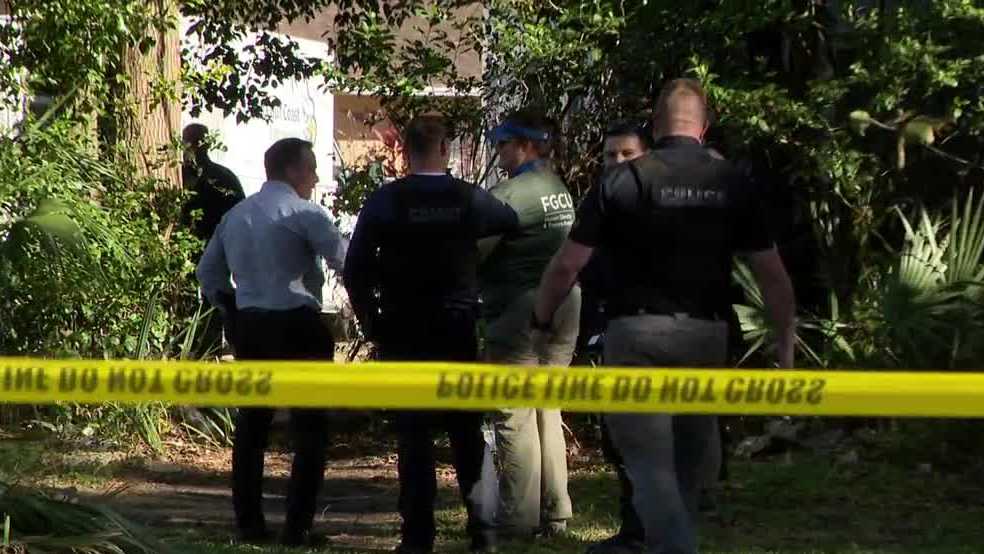
Crime scene vans were stationed outside of the home, which was behind police tape for much of the day Tuesday.
Dogs could be seen sniffing a truck and cars outside of the house. People could be seen digging in the backyard, and flags seemed to serve as markers dotted the ground.
A truck with the Florida Gulf Coast University Human Identity and Trauma Analysis program was outside for much of the day, too.
Heather Walsh-Haney is a professor at FGCU, she is a forensic anthropologist, and she runs the Human Identity and Trauma Analysis program.
WESH 2 spoke with her around 5:30 Tuesday night. Not long after she left the home on Lee Ave.
“I arrived at about 7:30, and then my team and I left about 20 minutes ago…” Walsh-Haney said.
She couldn’t speak specifically about what she was doing at that home in Parramore, but said generally her team can be called out even before human remains are found to potentially help with discovery and recovery.
“I’m called in whenever law enforcement or the medical examiner suspect that a scene may yield human remains, whether it’s in a house, on a boat, in a car, in a clandestine burial, as I already said. They suspect the victim may be badly decomposed or skeletonized,” Walsh-Haney said.
All Orlando Police would say Tuesday is they were conducting a search warrant related to an ongoing investigation.
They didn’t say what, if anything, they found at the home. Walsh-Haney said if and when remains are found, her team tries to recover as much of that person as they can.
“So that they can be reunited with their family,” she said.
Walsh-Haney said her team also tries to identify trauma when remains are found, like gunshot wounds or signs of blunt force trauma, to help the medical examiner determine a cause and manner of death.