
Key Aspects:
A Change.com petition has been started against the new cruise port proposal on Florida’s west coast.
In just four days, more than 6,000 signatures have been added to the rapidly growing petition.
The new port is just a proposed idea at this point and no development has yet been confirmed.
While cruise travelers may be thrilled with the prospect of a new cruise port near Rattlesnake Key in Tampa Bay that would permit larger ships to sail from Florida’s west coast, not everyone is in favor of the idea.
Just days after the new cruise port was proposed, a Change.org petition has rapidly gathered more than 6,075 signatures against the development, hoping to stop the idea before it gains traction.
The petition has been started by a local resident of Manatee County, Corey McKeever, who has many fond memories of the region without industrial development.
“This beautiful natural sanctuary is more than just a place to swim, fish, and camp — it’s home,” McKeever said when describing the petition’s issue. “Building a cruise ship port here threatens not only our cherished personal experiences but also the fragile ecosystems supporting countless wildlife species.”
That fragile, unique ecosystem may be at great risk if the new port is developed. Issues related to water quality, marine habitats, coral reefs, nesting birds, and shoreline ecosystems are all of concern.
Furthermore, many local businesses rely on those ecosystems, including fisheries, fishermen, boating, campgrounds, and wildlife tours. McKeever is not against development overall, but advocates for more sustainable options.
Local infrastructure is also cited as a strong concern should a new port be developed, including what traffic that may bring to the region on already congested roads.
“As a Manatee County resident, I ask that you do not build this mega cruise port. It’s going to destroy our fragile ecosystems and stress our infrastructure beyond what it can handle,” one commenter described.
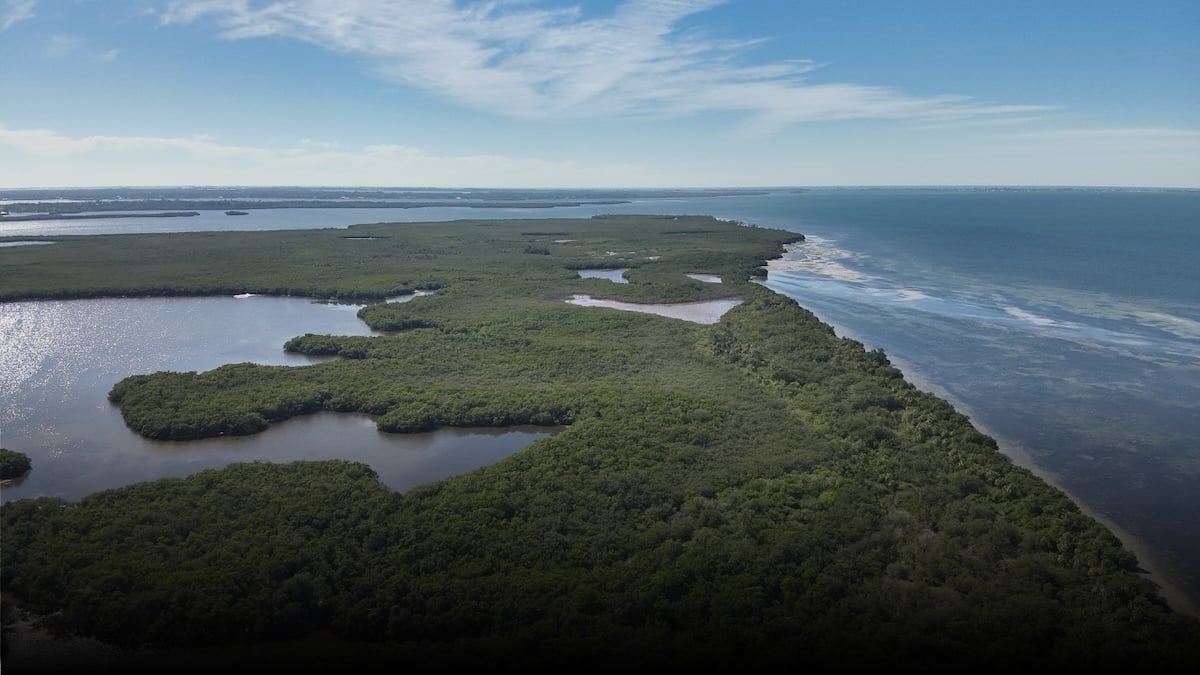 The Knott Cowen tract of land is the site of a proposed cruise port near Tampa.
Read Also: Top 10 Largest Cruise Ships in the World
It isn’t just the development of the port itself that is of concern, but also other supportive infrastructure such as parking, access roads, hotels, and retail establishments that would be drawn to the region with increased cruise traffic.
“This proposal conflicts with the character and vision of our community. Residents consistently express a desire to protect natural resources, support sustainable growth, and preserve the unique identity of our coastal region,” another commenter explained.
“A cruise port would introduce heavy industrial traffic, congestion, noise, and infrastructure strain that undermine those goals.”
Florida Governor Ron DeSantis and Florida Agricultural Commissioner Wilton Simpson have both been tagged in the petition but have not yet responded.
Port Proposal Still Conceptual
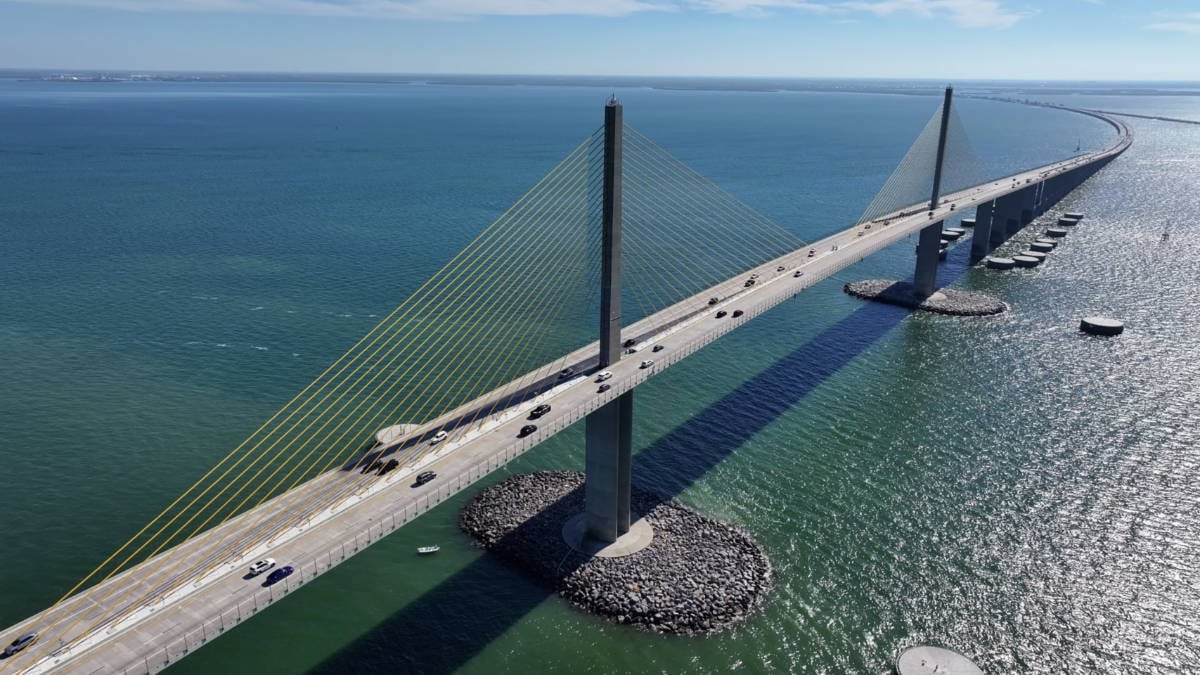
It should be noted that the new cruise port is just still a conceptual idea and no formal plans have yet been filed. The development would be on 328 acres of land known as the Knott-Cowen tract adjacent to the Sunshine Skyway Bridge.
The bridge is what limits many cruise ships from utilizing Port Tampa Bay due to the height limit it imposes on ships entering the waterway to head to the cruise terminal.
A new cruise port would be able to welcome larger, more modern ships that have lower emissions and more sustainable operation. This could include Royal Caribbean’s Icon-class, Carnival Cruise Line’s Excel-class, and MSC Cruises’ World-class ships.
According to the informational website for the Knott-Cowen Cruise Port, the actual land of Rattlesnake Key would not be developed and no construction would be on the island itself to help protect the wetlands and wildlife.
“Environmental protection is a core component of the project,” the website clarifies. “The combination of the conservation of Rattlesnake Key and implementing modern infrastructure standards represents a model that balances economic growth with long-term environmental stewardship.”
Many different studies and comment periods will be necessary before the project might move forward. Once construction would begin, it would take at least 3-5 years before the port could welcome its first cruise ship.