
We are fortunate to live in Central Florida, where we don’t face the brutal winters our neighbors up north endure. But that doesn’t mean cold isn’t dangerous here. Over the past few weeks, we’ve experienced several bitter nights — the kind that put lives at risk for people sleeping outside.
Last Thursday, I stood outside at Samaritan Resource Center waiting for the Lynx bus to arrive. SRC is one of the pickup locations for the warming center. It was officially declared a “cold night,” which means the temperature was forecast to be 40 degrees or below for at least four hours. If it’s 41 degrees all night with a wind chill of 35, that doesn’t count. No bus. No warming center.
That night, the bus came. It was full. I watched our clients climb aboard — elderly men, women with disabilities, people struggling with mental illness — heading off to sleep on a floor for a night or two if they were lucky. I waved goodbye the way you wave to your kids when they leave for camp. And I felt the familiar mix of sadness, anger, and exhaustion.
We all know we have a homelessness problem.
And many leaders, agencies, and providers are working hard every day to respond to it.
But the system is fragile.
At the federal level, we are facing a shift in priorities that is likely to reduce future HUD funding for housing and homelessness programs. While these investments have helped stabilize communities in recent years, uncertainty around future funding puts already-strained systems at risk.
When federal housing dollars are reduced or redirected, local governments and nonprofits are forced into crisis mode. The result is a system that reacts to emergencies instead of preventing them.
Warming centers and cooling centers are necessary — but they are not the answer. They are emergency responses to a system that lacks the long-term resources needed to keep people housed.
This is not a solution.
This is a temporary patch on a permanent crisis.
The real solution is housing.
The real solution is mental health care.
The real solution is addiction treatment.
The real solution is employment pathways and income stability.
The real solution is prevention.
We know what works. We know that stable housing paired with services saves lives and taxpayer dollars. We know that supportive housing reduces hospital visits, emergency calls, and incarceration. We know that investing in stability is far cheaper than paying for crisis.
But communities cannot do this work alone. When future funding becomes uncertain, local leaders and service providers are left making impossible choices — between shelter and housing, prevention and emergency response.
And in the middle of those choices are real people — standing in the cold, waiting for a bus.
If I sound frustrated, it’s because I am. I am tired of watching people with nowhere else to go climb onto a bus while the rest of us go home to warm beds. I am tired of a system that manages homelessness instead of ending it.
We don’t need more warming centers.
We need fewer people who need them.
We don’t need better emergency plans.
We need permanent solutions.
Homelessness is not inevitable. It is shaped by policy, investment, and priorities. And until those priorities center human dignity and long-term stability, the buses will keep coming, the floors will stay cold, and we will keep failing the very people we say we want to help.
It’s time to stop reacting to the weather and start building a future where no one is left out in it.
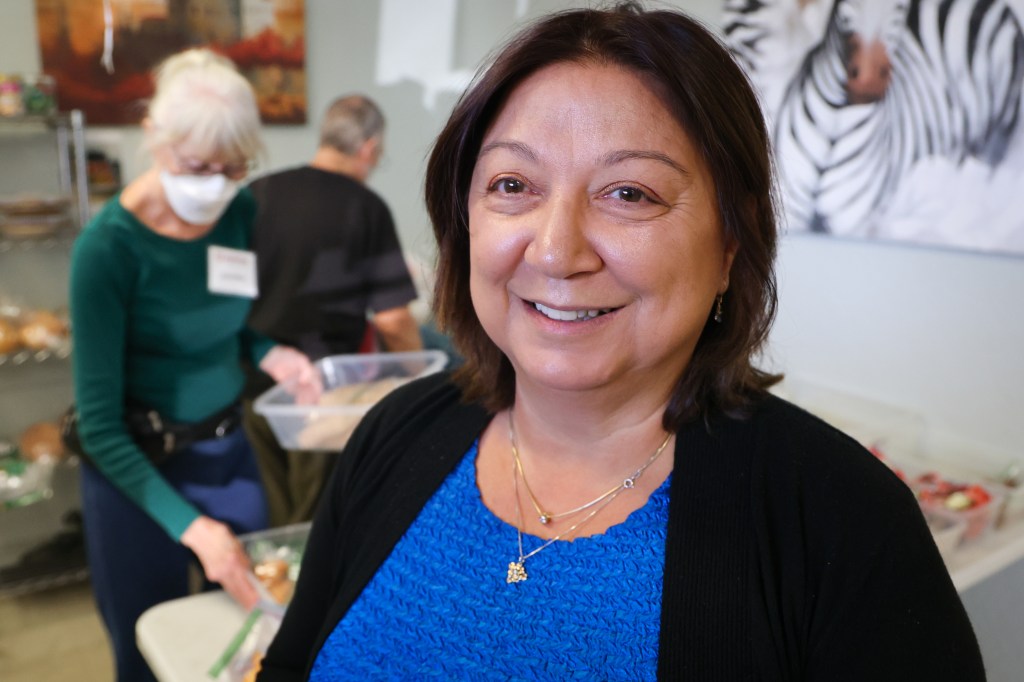
Zeynep Portway is CEO of the Samaritan Resource Center, a drop-in facility in east Orlando, and a finalist for 2025 Central Floridian of the Year.