
As lawmakers prepare to work on the state’s annual spending plan, they can expect a lot of noise: Voices of lobbyists paid to represent the wealthy interests that seek to divide Florida’s bounty like spoils of war. Voices of their colleagues, who want funding to back their pet projects and political experiments.
Smallest of all will be the voices speaking for those with little to no clout: The children. The low-income working Floridians who trudge from one job to another, trying to make ends meet. The elderly and disabled. The homeless.
Editorial: This year more than most, the budget is key to Florida’s future
These voices can be easily drowned out in a year like this one, in a state facing an uncertain fiscal future and a Legislature and executive branch packed with politicians planning their next move. But state leaders should understand that ignoring their needs is not only heartless, but fiscally irresponsible. And this year, many of the key budget decisions will be made outside the formal appropriations process.
Voucher madness
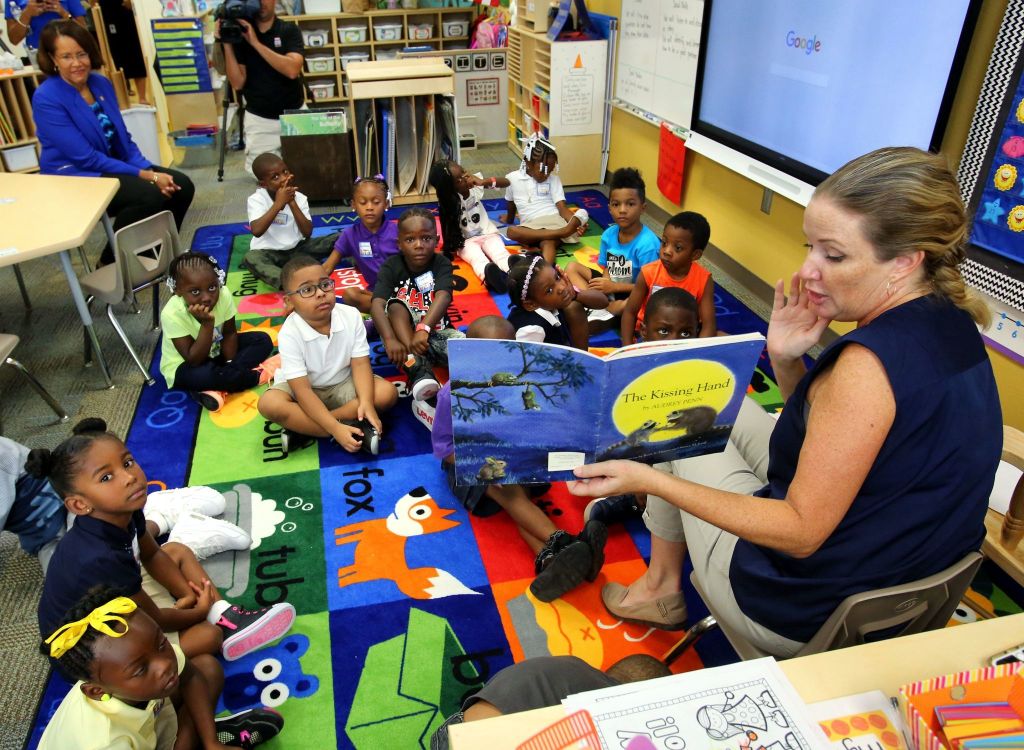
That starts with public education. The state’s reckless expansion of its voucher programs — which has allowed any family to get a state-backed subsidy toward private-school tuition — dumps more than $4 billion into a system that was improperly safeguarded from the start. The result has been “myriad … accountability challenges that left a statewide funding shortfall and a system where funding did not follow the child,” according to an independent audit of the state’s voucher system. The result: Hundreds of millions of dollars potentially gone astray.
That’s a massive problem, because the program expanded far more rapidly than most experts expected, with approximately 500,000 children using some form of voucher. The result: Out-of-control spending on the voucher side, coupled with unexpected declines in the funding flowing to public schools. Across the state, school districts that had been focused on meeting the demands of the state’s rapid growth are now struggling with decisions to close campuses. Orange County alone is seeing a shortfall of nearly 7,000 students.
The Senate has come up with a plan (SB 318) that is a sensible prelude to getting the voucher program under control. In an op-ed Sunday, Sen. Don Gaetz, R-Niceville, described legislation that would split funding off from traditional public education financing; track money allocated to each child whose family claims a voucher; and take measures to stop fraud and abuse that often catches families who are seeking to do the best for their children, only to find themselves trapped in low-quality programs. “Students move back and forth between public, private and home school within the same year, sometimes within the same month or week,” Gaetz wrote. The state has lost track of roughly 30,000 children believed to be receiving vouchers, but the state already knows that some fraudulent organizations created fictitious students and claimed vouchers in their name.
These shortfalls can’t be dismissed as a mere consequence of growing pains, because the stakes for public schools are so high. Many are being hollowed out by the rush to vouchers — but it’s likely that many of those students will eventually come back. In the meantime, however, districts will be forced into deep cuts, including the decision to close schools and hesitation about some of the technical, career-oriented options that are expensive to run, but have shown great success in preparing students for lifelong achievement.
The Senate legislation — which it passed on the second day of this year’s legislative session — is a good start. Putting a rein on some of these expenses won’t be easy: The Legislature is faced with the difficult task of trying to repair a rollercoaster that’s already running full-tilt. But House Speaker Daniel Perez, like Gaetz, has proven himself a leader with an appetite for honesty. He should free lawmakers to pass the Senate accountability legislation — but he should also have the courage to re-examine some of the core principles of the voucher program, including the notion that the state can afford to bleed resources from public school systems in support of families who can well afford to send their children to private schools.
Other vulnerabilities
Beyond the issue of public schools, there are the programs that help support the state’s most vulnerable. Florida has critical funding shortfalls in many areas — including mental-health services, homelessness prevention and programs targeted at families whose dire economic circumstances are dimming their children’s hope for a brighter future. Failing to make up these shortfalls is already costing the state money. For example, the Florida Policy Institute estimates that the state has already missed out on $2 billion in federal match funding for programs that would have improved healthcare access for some of Florida’s lowest-income students. The cost of such short-sightedness isn’t just measured in that lost federal funding — but in future costs as students grow into adults that are more vulnerable to addiction and chronic health problems such as diabetes or heart disease.
Lawmakers are already seeing a push to “save” money on Medicaid by enacting cruel work requirements that penalize Florida’s sickest, impoverished households. They could overlook the reality that fewer than half the families who qualify for assistance with child care are receiving the help they need to stay in the workforce. They’ll be encouraged to ignore the fact that an estimated 526,000 uninsured Floridians are struggling with mental-health or substance abuse problems that, left untreated, could lead to increased crime and reliance on social services.
The budget process will be laden with dozens of decisions that break down like these. And certainly, lawmakers could subsidize the consequences of big political decisions that went wrong, by starving the state’s most powerless residents of the resources they need.
It is cynical and heartless to balance an error-laden budget on the backs of those who can least afford it. It is also fiscally irresponsible. Diminishing the quality of the state’s public-school system will stifle its economy. Cutting funding for social programs is likely to lead to increased costs in coming years, as jails and hospitals struggle to with the impact of deprivation.
The right choice, the moral choice, is to make sure the most vulnerable Floridians aren’t left behind in this rough-and-tumble budget year. It might not be easy to hear their voices in the tumult of a tempestuous session. But legislators should recognize that these needs can’t be silenced through negligence and deprivation.
The Orlando Sentinel Editorial Board consists of Opinion Editor Krys Fluker, Executive Editor Roger Simmons and Viewpoints Editor Jay Reddick. Use insight@orlandosentinel.com to contact us.