

One of Hialeah Mayor Bryan Calvo’s first public moves in office has been to take on Hollywood.
Netflix’s new film “The Rip,” released on Jan. 16, didn’t sit well with Calvo. The mayor says he is weighing legal action against the streaming giant, accusing the movie of defaming the city and improperly using the Hialeah Police Department’s logo while casting Hialeah in a dark and misleading light.
On Thursday, Calvo publicly criticized the film, starring Matt Damon and Ben Affleck and currently among Netflix’s top-ranked titles: “Netflix’s new release can tell a story—but it won’t tell ours,” the statement reads. “‘The Rip’ may portray Hialeah one way, but those of us who live here know the truth: hardworking families, proud culture, iconic city, and strong community.”
The movie, based on a true story, follows a group of officers whose trust collapses after a raid on a hidden cash operation, amid suspicions of theft. Although presented as fiction, the film draws from real events that occurred in 2016, not in Hialeah, but in neighboring Miami Lakes, where Miami-Dade police seized over $24 million from a suspected marijuana trafficker, one of the largest cash seizures in the department’s history.
Miami Lakes, sometimes jokingly referred to by influencers as “Hialeah con corbata” — Hialeah wearing a tie — is a separate municipality often described as a more polished version of Hialeah, though it shares a largely Cuban American population. Still, Calvo has framed “The Rip” as an attack on his city, even though the film is not a documentary and does not claim to depict the city factually.
Calvo argued to the Herald that fictional portrayals should help establish a better image of the city, not harm it. He warned that because the film has gone viral on Netflix, it is causing national and international reputational damage, potentially affecting the city’s ability to attract businesses and investors.
He said specific scenes in the film cross the line into defamation, pointing to depictions of gunfire holes in road signs as characters enter the city, police officers in uniform portrayed as corrupt, and characters wearing bulletproof vests while engaging in criminal activity in the city. According to the mayor, those portrayals create a false and damaging narrative about Hialeah.
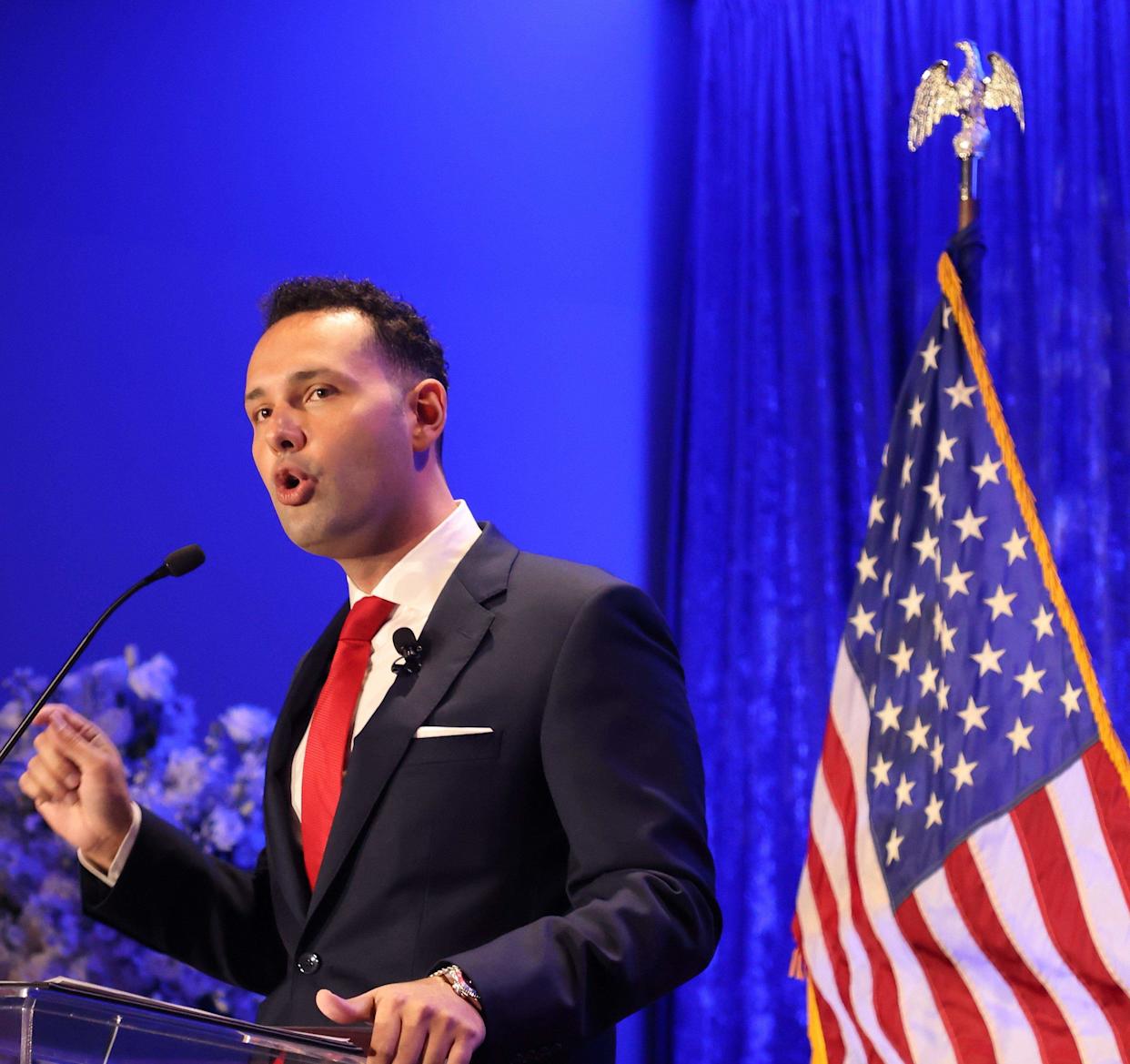
Bryan Calvo, at the Milander Center on Monday, January 12, 2026, in Hialeah, Florida
(Carl Juste/cjuste@miamiherald.com)
He also objected to what he described as careless treatment of the city’s identity, noting that the city’s name is mispronounced in the film while, in his view, the city itself is being “attacked.”
“If I don’t defend the city, who will?” Calvo said.
In the film Affleck mispronounces the city’s name as “Hee-uh-Leah.”
Calvo said he is proud to be a product of Hialeah and indicated the city is in a pre-litigation phase, citing potential financial damages and long-term harm to the city’s reputation.
However, as of now, neither the mayor, the city of Hialeah, nor city attorneys have filed a formal complaint or initiated legal action against Netflix, Calvo said. The streaming company has not publicly responded to the mayor’s statements. The Herald tried to reach the Netflix media department without success.
Legal experts note that defamation claims against movies face a high bar. Under the landmark U.S. Supreme Court 1964 decision New York Times v. Sullivan, First Amendment protections for freedom of speech significantly limit the ability of public officials—or public figures—to successfully sue for defamation.
“There’s no legal basis to sue Netflix over how they promoted the film,” said Jose Smith, a former municipal attorney for the cities of Miami Beach and North Miami Beach.