
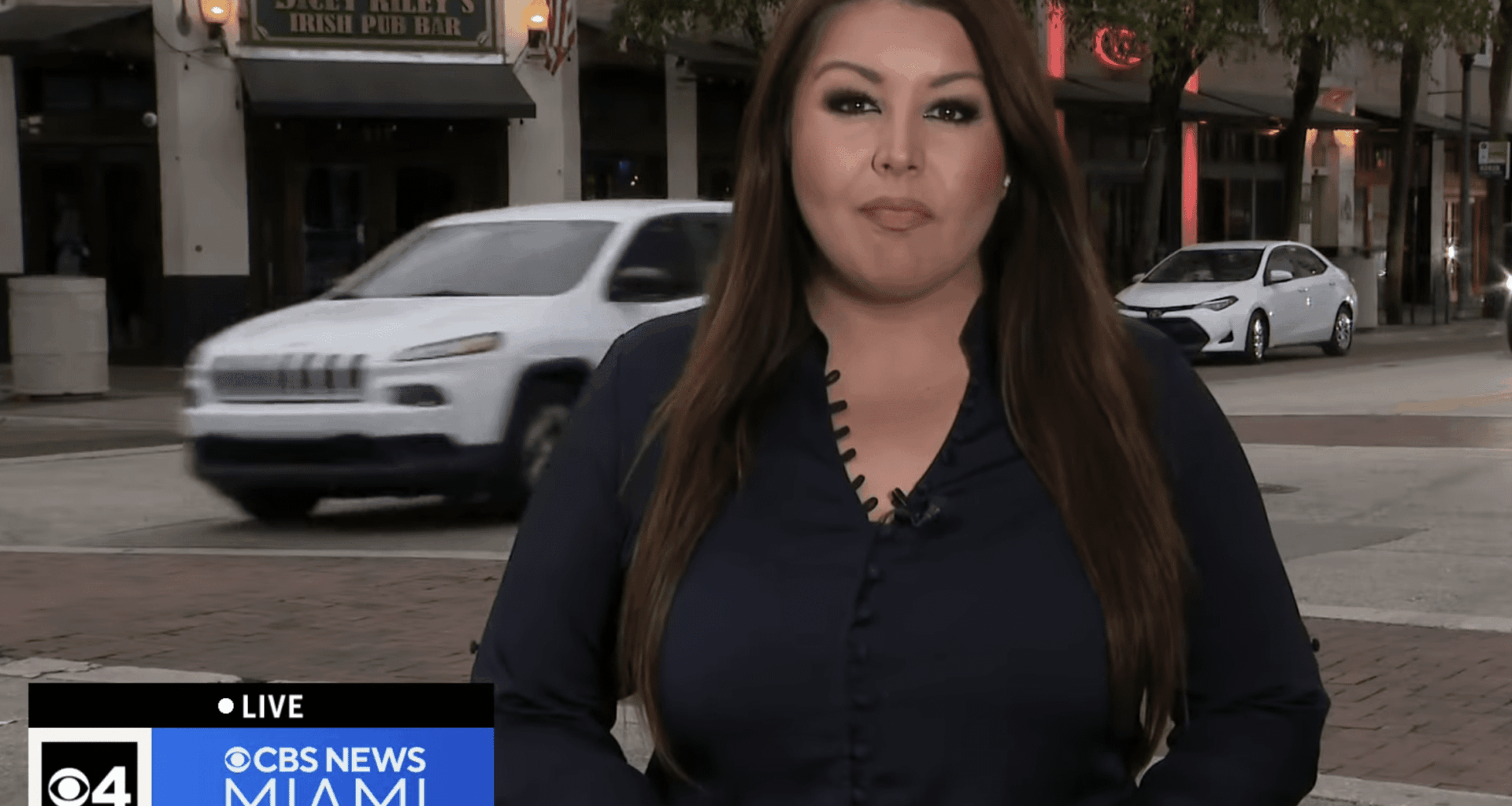
Enough Is Enough: Fort Lauderdale City Council Is Dismantling the City It Was Elected to Protect
Fort Lauderdale’s City Council is no longer governing, it’s meddling. And the damage is becoming impossible to ignore. From Las Olas Boulevard to the entertainment districts, from public parks to nightlife corridors that have powered tourism for generations, the council keeps targeting what actually works. Iconic, proven, revenue-generating parts of the city aren’t being preserved or strengthened, they’re being restricted, redesigned, or regulated into irrelevance. This is not careful urban planning. This is reactionary governance by officials who appear disconnected from how Fort Lauderdale actually functions.
A Council Acting Like Temporary Hostile Custodians, Not Gentle Stewards
“These are short-term, elected officials making permanent changes to a city brand that took more than a century to build. It’s not right, it’s unethical leadership.” — Patrick Zarrelli
Fort Lauderdale didn’t become a global destination by accident. Its open, walkable bar scene. Its beach-to-bar flow. Its public spaces that felt alive rather than over-policed. These weren’t flaws, they were features. They are proven economic winners, driving hospitality jobs, small business investment, and year-round tourism. Yet time and again, the council sees something iconic and decides to “fix” it. Not because it’s broken, but because it’s visible.
The Latest Flashpoint: Killing Open Containers in Entertainment Districts
On Tuesday night, the Fort Lauderdale City Commission voted to eliminate open containers and outdoor alcohol consumption in entertainment districts, citing public safety after two recent shootings. One involved the killing of 17-year-old Joshua Gipson outside Beach Place on New Year’s Eve. Days earlier, five people were injured in a shooting around 2 a.m. in the Himmarshee District. The violence is real. The concern is valid. But the solution being pushed, punishing licensed bars and legal customers, misses the actual problem.
“The bad apples aren’t the people that are coming to the bars; they’re the people that are having the parking-lot parties and bringing their own alcohol,” said Micah Harris, bar manager at Original Fat Cats.
That distinction matters. Bars are regulated. Bartenders are trained. IDs are checked. Cameras are running. Security is present. Parking lot drinking has none of that, yet the council’s response targets the regulated side of the equation.
All the city had to do was direct the many police officers already assigned to these districts every night to walk and patrol the parking lots. A rash of illegal parking lot parties is not grounds for changing long standing laws, it is grounds for stopping parking lot parties that never should have been allowed to begin in the first place.
This failure is also the result of weak leadership at the top. The mayor has not applied pressure on the police department to do its job in these specific areas, allowing predictable problems to escalate into policy overreactions. Effective governance requires situational awareness and accountability, both of which have been absent.
It is also crucial to remember that Southwest Second Street was once a classy, thriving destination. When the city tore down Riverfront and left the area under construction for more than a decade, that district was shattered. Fort Lauderdale nightlife was displaced for years, and as crowds migrated to Las Olas, Second Street was heavily neglected by this very board, crushing local business owners in the process. Now, instead of correcting its own planning failures, the city is preparing to further punish the same businesses and neighborhoods it helped destroy through years of neglect and mismanagement.
A Policy That Hurts Businesses, Not Criminals
Mayor Dean Trantalis defended the move by arguing that enforcement was too difficult under the previous rules.
“Underage children were drinking, and it was very hard to police that,” Trantalis said. “Now we’re giving the police the authority to do that.”
That claim does not withstand scrutiny from those who actually work in Fort Lauderdale’s entertainment districts.
Law enforcement has long had the authority to police underage drinking, and it has been exercised regularly. Undercover stings targeting both minors and bartenders are routine, well-known within the industry, and occasionally published publicly. Bars face heavy penalties for violations, and as a result, ID checks in Fort Lauderdale’s nightlife corridors are among the strictest anywhere, from door staff to bartenders to management.
These jobs are lucrative and highly sought after. No serious operator is willing to risk fines, license suspension, or public citation by ignoring ID protocols. The suggestion that bars operate without meaningful enforcement ignores how the system actually functions on the ground. More importantly, it is far easier for police to approach and ID someone drinking openly on the street than to identify a minor who has slipped past security inside a licensed establishment. If underage street drinking was the concern, targeted enforcement already provided the simplest solution.
The Deeper Issue is Not Alcohol Policy, it is Long-term Neglect of the District
Southwest Second Street was once a thriving, upscale destination. That changed after the city tore down Riverfront and left the area buried in construction for more than a decade. During that period, the district was effectively abandoned in the city’s planning priorities. Foot traffic disappeared. Investment stalled. Disorder followed.
As crowds migrated to Las Olas, Second Street was neglected by this same governing body, crushing local businesses that had invested in the area and hollowing out a once-stable entertainment corridor. When instability predictably surfaced, the response was not accountability or revitalization, it was regulation.
The recent shooting did not happen because of long-standing drinking laws. It happened in an area the city allowed to decay. Changing the law now does not fix that failure, it redirects blame. Instead of acknowledging years of mismanagement and recommitting resources to enforcement and restoration, the city is punishing licensed businesses for problems created by neglect. That is not public safety policy. It is deflection. And to the people who built careers, businesses, and communities in these districts, it feels less like leadership and more like being scapegoated for mistakes made at City Hall. Business owners say the fallout will be immediate and severe.
“Thirty percent of our drinks are to-go during spring break,” said Julie Olszewski of Con Murphy’s and McSorley’s. “We’re looking at a pretty big loss.”
For iconic bars like Dicey Riley’s, the threat is existential.
“More will close if this happens,” owner Mike Brennan warned.
This isn’t speculation. Fort Lauderdale already destroyed its old riverfront entertainment district, mismanaged Flagler Village’s amphitheater park, and watched nightlife nodes wither after over-regulation and poor planning. Now the council is repeating the pattern.
“Fort Liquordale” Is a Brand, Whether Council Likes It or Not
This city’s identity matters. Fort Lauderdale isn’t Miami. It’s not about $5,000 tables and velvet ropes. It’s a bar hopping beach town. You grab a drink, walk, socialize, move. That’s the culture. That’s the draw. Trying to turn Fort Lauderdale into something it isn’t, or something its own council members personally prefer, is how cities lose their soul and their economy at the same time.
Let’s be honest: many of the officials pushing these changes don’t participate in the nightlife they’re regulating. They don’t experience the districts as residents, workers, or patrons. And yet they’re reshaping them anyway. That disconnect shows vividly.
Safety Requires Precision, Not Broad Collateral Damage
No one is arguing against safety. What residents are rejecting is lazy governance.
If the issue is illegal street drinking, enforce that.
If the issue is parking lot parties, shut them down.
If the issue is targeted hotspots, deploy targeted solutions.
Instead, the council is reaching for the bluntest tool available, sweeping restrictions that hurt compliant businesses while leaving the real drivers of violence largely untouched. The city is even considering rolling last call back from 4 a.m. to 3 a.m. on weekends, a move multiple operators describe as a “slow death sentence” for entertainment districts already under pressure.
This Is Not Democracy, It’s Governance by the Whims of the Few
Democracy isn’t officials doing whatever they want once elected. It’s stewardship. It’s restraint. It’s understanding when you’re a caretaker, not an owner. Right now, Fort Lauderdale’s City Council looks like a board with too much time on its hands, fixated on meddling with visible, iconic elements of the city while ignoring larger failures in planning, infrastructure, and enforcement.
Enough is Enough
If Fort Lauderdale loses its culture, its nightlife, and its identity in the name of performative safety, the council won’t be able to regulate its way out of the economic and social damage that follows. The next vote on these ordinances is scheduled for February 3, 2026. Residents should be watching closely, because what’s being dismantled isn’t just a drinking policy. It’s the city itself.
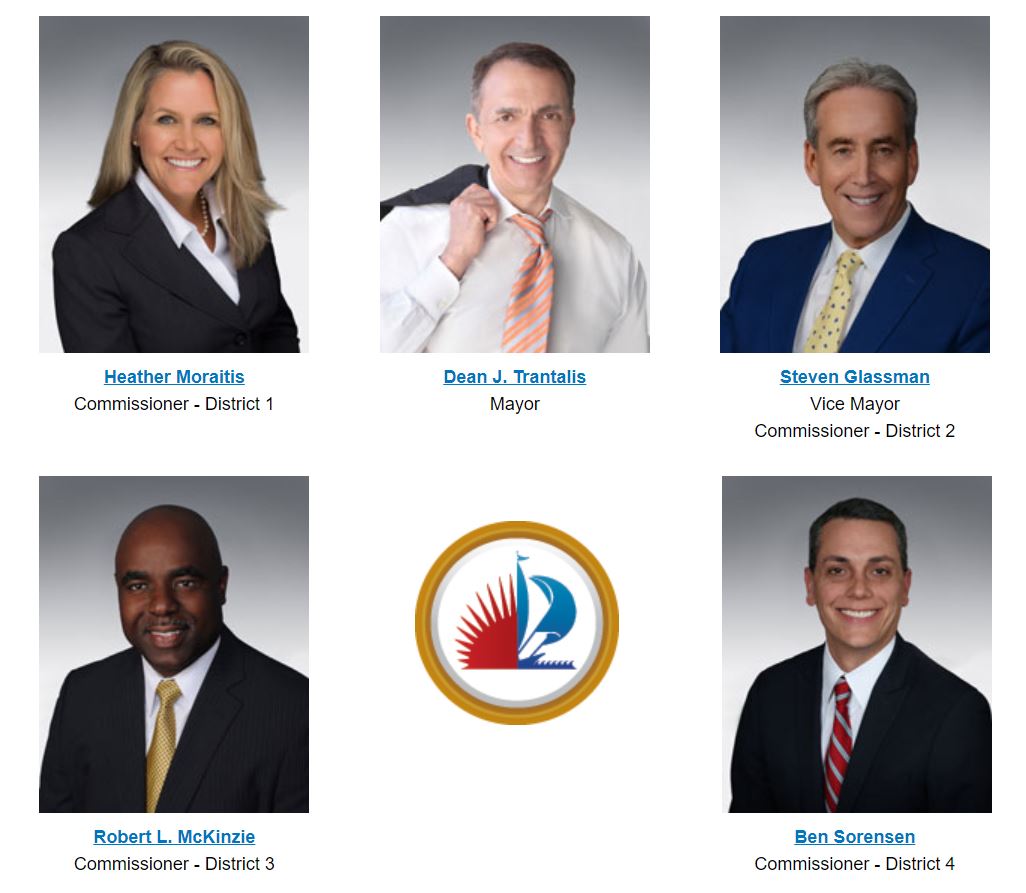
Fort Lauderdale City Commission
Mayor (At-Large)
Dean Trantalis
City Hall, 1 E. Broward Blvd., Fort Lauderdale, FL 33301
Phone: 954-828-5314
Email: [email protected]
Commissioner – District 1
John C. Herbst
Phone: 954-828-5008
Email: [email protected]
Commissioner – District 2
Steven Glassman
Phone: 954-828-5009
Email: [email protected]
Commissioner – District 3
Pamela Beasley-Pittman
Phone: 954-828-5007
Email: [email protected]
Commissioner – District 4
Ben Sorensen
Phone: 954-828-5006
Email: [email protected]
City Commission Office (Administrative)
Office of the Mayor & City Commission
City Hall, Suite 444
Phone: 954-828-5004