

Published on
January 26, 2026
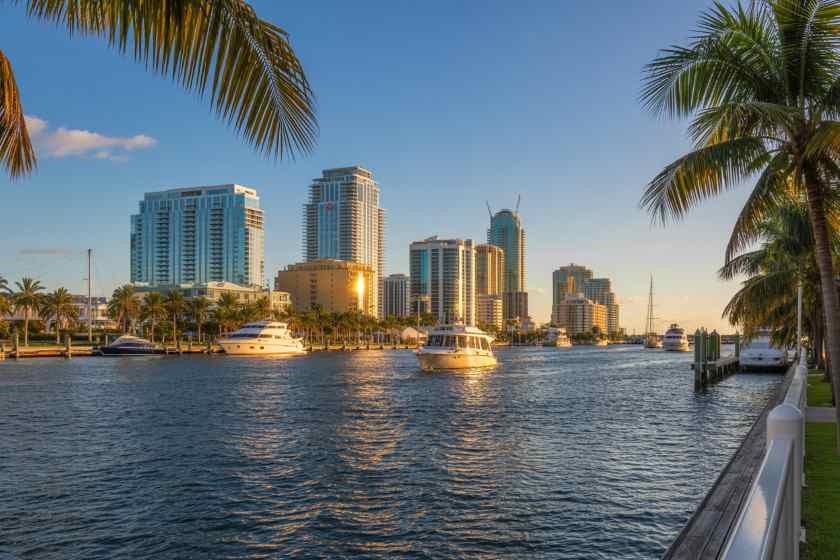
Fort Lauderdale & Flagler Village, Florida, are preparing for a notable expansion in lifestyle-driven tourism as a new private members club and signature culinary destination take shape in one of the city’s fastest-growing urban districts. The project is being developed by Naftali Group, the team behind Viceroy Residences Fort Lauderdale, in partnership with The h.wood Group, a hospitality brand known for dining and social venues in major global cities.
The combined restaurant and private members club will be located in Flagler Village, a neighborhood that has become central to Fort Lauderdale’s transformation into a year-round destination for culture, dining, and nightlife. Spanning more than 15,000 square feet, the venue is designed to serve both residents and visitors, contributing to the area’s growing reputation as a social and culinary hub.
Interior design for the space is being led by Built Inc., based in Los Angeles. The design approach emphasizes layered dining environments, lounge areas, and flexible spaces that support different types of visits throughout the day and evening. For travelers, this translates into a venue that functions as a dining destination, nightlife stop, and social gathering point within a single location.
The main restaurant will be open to the public, offering elevated cuisine and cocktails designed to attract both locals and visitors exploring Fort Lauderdale’s urban core. Alongside it, the private members club will operate as a distinct experience, featuring an intimate dining room, a separate menu, and dedicated lounges. This dual-format structure allows the venue to cater to a wide range of travel styles, from casual dining to curated social experiences.
Fort Lauderdale Tourism
Advertisement
Advertisement
Advertisement
Advertisement
Residents of Viceroy Residences Fort Lauderdale will receive exclusive access and membership to the private club. From a tourism perspective, this integration extends the hospitality experience beyond accommodation, connecting where guests stay with where they dine and socialize. Branded residential developments increasingly influence travel patterns, particularly for longer stays and repeat visits.
Membership also includes access to The h.wood Group’s Rolodex program, an application-based network that offers benefits across the group’s venues. For travelers, this program supports priority reservations, invitations to events, curated tastings, and hosted experiences, enhancing access to dining and nightlife during visits to Fort Lauderdale and other destinations where the group operates.
Advertisement
Advertisement
Flagler Village’s location plays a key role in the project’s tourism impact. Situated near downtown Fort Lauderdale, the district is within reach of beaches, marinas, cultural venues, and transit routes. Visitors staying in the area can move easily between waterfront attractions and inland dining and entertainment without lengthy travel.
Fort Lauderdale has increasingly positioned itself as more than a beach destination. While coastal tourism remains central, the city has expanded its urban offerings to attract travelers interested in dining, nightlife, arts, and design-led neighborhoods. Developments in Flagler Village reflect this strategy by concentrating experiences within walkable districts.
The addition of a private members club and signature restaurant supports evening and night-time tourism, an important factor in extending visitor stays. Travelers who find dining and social options close to accommodation are more likely to spend additional nights, contributing to local economic activity.
From a travel planning standpoint, mixed-use developments such as Viceroy Residences Fort Lauderdale help anchor visitor experiences. Travelers can plan stays around districts that offer accommodation, dining, and entertainment within close proximity, reducing reliance on cars and simplifying itineraries.
The project also highlights the role of lifestyle brands in shaping destination identity. Partnerships between real estate developers and hospitality groups allow cities to import recognizable concepts while adapting them to local contexts. For Fort Lauderdale, this approach supports its evolution into a destination that appeals to both leisure travelers and long-stay visitors.
The h.wood Group’s involvement introduces programming beyond dining. Cultural events, live music, tastings, and themed gatherings are expected to form part of the venue’s calendar. For tourists, such programming adds time-specific reasons to visit, encouraging repeat visits and return travel.
The design of the private members club emphasizes flexibility. Separate lounges and dining areas allow the space to host different types of gatherings simultaneously, from quiet dinners to social events. This versatility supports diverse visitor expectations within a single venue.
For South Florida tourism, the project aligns with broader trends toward experiential travel. Visitors increasingly seek destinations where dining, social interaction, and cultural engagement are integrated rather than segmented. Flagler Village’s development supports this by offering layered experiences in a compact area.
Fort Lauderdale’s accessibility strengthens the project’s potential impact. The city is served by Fort Lauderdale–Hollywood International Airport, cruise terminals, and regional rail connections, making it easy for domestic and international travelers to reach the area. Once in the city, centralized districts like Flagler Village become focal points for exploration.
The project also contributes to Fort Lauderdale’s year-round tourism profile. While beach travel often peaks seasonally, dining and nightlife experiences support consistent visitation throughout the year, including during shoulder seasons.
For visitors staying outside Flagler Village, the district functions as a destination in its own right. Restaurants, galleries, and entertainment venues draw travelers from other parts of the city, reinforcing the area’s role as a nightlife and dining corridor.
The integration of private club access with residential living reflects a growing intersection between tourism and lifestyle real estate. Travelers who return frequently or stay for extended periods increasingly look for destinations that offer continuity, community, and curated experiences.
As Flagler Village continues to develop, projects like this one shape how Fort Lauderdale is perceived by visitors. The focus shifts from single-activity trips to layered stays where dining, social life, and accommodation are interconnected.
For tourists planning trips to South Florida, the new private members club and signature restaurant add another dimension to Fort Lauderdale’s offering. Beyond beaches and boating, the city continues to build an urban identity centered on food, design, and social experience.
Conclusion
As the project moves forward, its impact will be felt across tourism, hospitality, and urban travel patterns. By combining residential living with high-profile dining and social spaces, Flagler Village strengthens its position as a destination that keeps visitors engaged beyond daylight hours.
In the context of Florida tourism, Fort Lauderdale’s evolving neighborhoods demonstrate how cities diversify their appeal. The arrival of a private members club and signature restaurant in Flagler Village reinforces the city’s shift toward experience-led travel, offering visitors a place where accommodation, dining, and social life converge in a single, walkable setting.
