
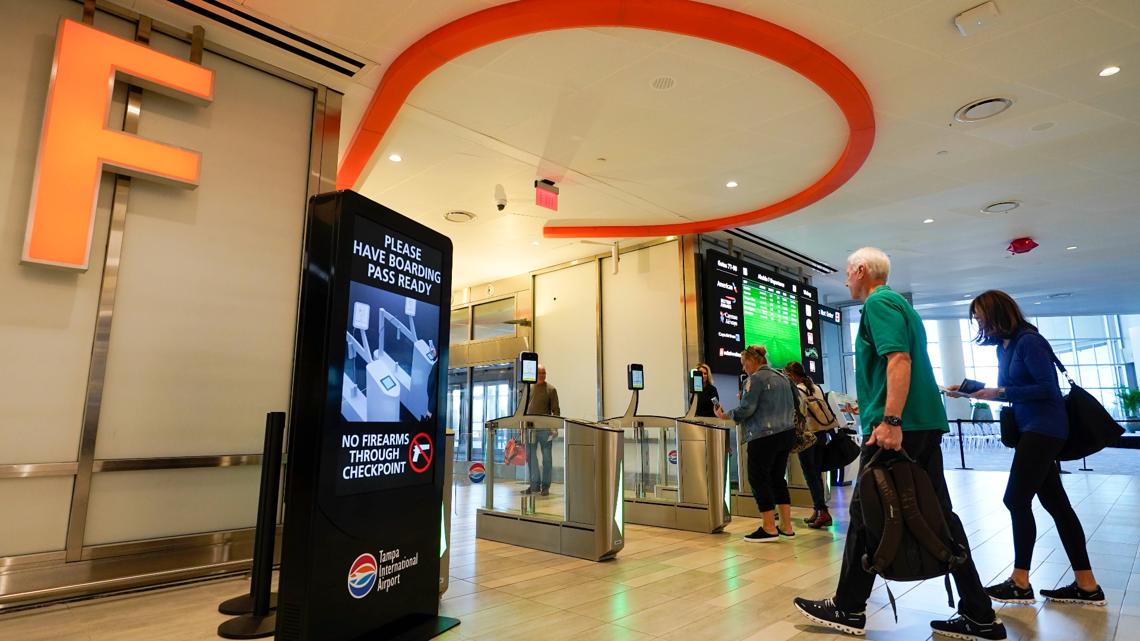
More than 300 cancellations at Tampa International over the last three days highlight shortages as airlines work toward normal operations.
TAMPA, Fla. — After days of travel disruptions tied to one of the worst winter storms in years, flyers at Tampa International Airport (TPA) are beginning to see signs of relief — though the ripple effects continue to upend work weeks and family plans across the country.
The storm impacted more than half of the U.S. population, creating cascading delays and cancellations far beyond the regions hit by snow and ice. Many travelers said Tampa’s weather was not the issue, but rather the delayed arrival of aircraft, crews and equipment from elsewhere.
For the past three days, passengers have spent far more nights than usual inside the terminal, forced to adjust plans because of delayed aircraft, timed-out crews and shifting schedules. Some expressed gratitude simply to be on any flight at all.
Experts said travelers can finally expect a return to normal operations at Tampa International, possibly by Wednesday or Thursday.
The disruption has been significant. More than 300 flights have been canceled at TPA over the last three days, with nearly 340 additional flights delayed, forcing families to rapidly rework travel plans.
Among them were Tom and Annie Baldwin, from Iowa who swapped airlines after their original flight was canceled. The couple had been booked on American Airlines to fly to Dallas out of Fort Myers.
“They canceled it to DFW, so we woke up and now we’re flying Southwest,” Tom said.
The Baldwins’ experience also reflects another shift for passengers. As of Jan. 27, travelers flying Southwest Airlines are required to select assigned seats rather than compete for open seating.
“We both have a middle, and a middle, because it was very last minute, but we’re just happy to be going back home,” Annie said.
Industry experts described the disruption as part of a larger systemic strain. Sunday was deemed one of the worst travel days since the pandemic, with national data showing more than 45% of U.S. flights canceled.
“There is nothing extra in the airline industry right now. There is no extra pilots, no extra flight attendants and definitely no extra aircraft,” aviation expert Mark Weinkrantz said. “When a flight gets canceled, say that’s 200 people that don’t have seats to go from here to New York. Where do those people go?”
Weinkrantz said more than 90% of most flights are typically booked full on a normal travel day, leaving about 10 open seats on average. With widespread cancellations, there are few options for rebooking stranded passengers, regardless of seating policies.
“The Southwest example right now is the big stand out because it is such a massive culture shift,” Weinkrantz said.
The timing of the travel recovery is critical for Tampa, which is preparing for more than 300,000 spectators expected downtown Saturday for the Gasparilla festivities.