
There are moments in time that remind us all: Common sense isn’t always so common. And one such moment is playing out between members of the Volusia County Council, as some relative newcomers to county politics question the purpose of a long-standing, wildly popular effort to keep the county from becoming a wall-to-wall morass of cheap development, snarled traffic and dirty water.
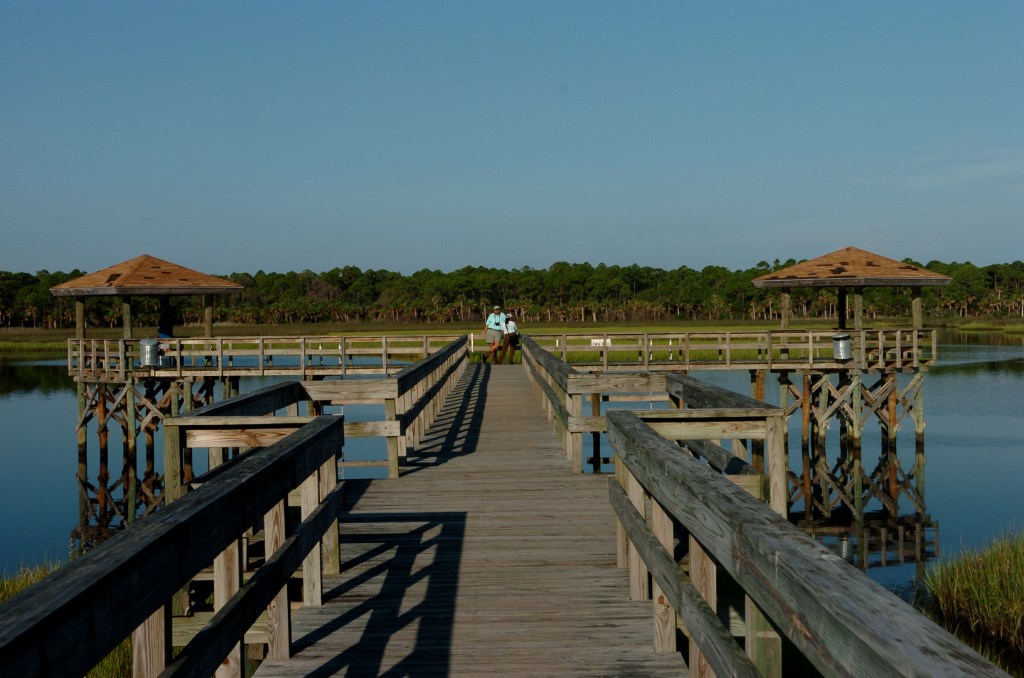
The program is called Volusia Forever. That’s the wording that has been on the ballot twice so far — most recently in 2020, when voters approved it by a thumping 75.6% margin. It’s been a nationally heralded success, one that draws a 4-1 investment from regional, state and federal partners for every local dollar raised. That money has helped to preserve some of Volusia County’s greatest natural treasures. It’s provided green spaces for all kinds of outdoor recreation (which benefits residents while driving eco-tourism). It’s helped keep working farms in production while preserving the open space that provides wildlife habitat and helps recharge the county’s supply of affordable, fresh drinking water.
It is a point of universal pride for Volusia County, which in 1986 became the first county in the nation to levy a tax dedicated to land conservation. This wasn’t an edict by local politicians: That first effort, known as the Endangered Lands Program, was approved by voters — who re-authorized it in 2000 under the name Volusia Forever. It has become a model for counties across Florida, and across the nation.
Yet now, Councilman Don Dempsey is insisting that voters didn’t know what they were getting themselves into. He’s claiming that the county’s partnership with other agencies is somehow surrendering home rule. And he’s trying to substitute speculative doomsday scenarios for the reality that local residents can see for themselves every time they kayak on Spruce Creek, watch manatees in Blue Spring or drive Interstate 4 through Tiger Bay State Forest.
When Dempsey first launched his rambling attempts to undermine the Volusia Forever program at a December council meeting, he should have been greeted with incredulous looks from his fellow council members, and a swift vote to nip this foolishness in the bud. Unfortunately, that didn’t happen. Now local residents have to remind them that they aren’t as dumb as Dempsey and others seem to think they are — with encouragement from the people who helped found the program, including former County Council members Pat Northey and Clay Henderson.
It’s instructive to look back to that first vote in 1986, when Volusia County residents looked around and realized that the beautiful, wild spaces they treasured were disappearing. Cities were fighting to expand their boundaries through reckless sprawl, with many annexation decisions driven by the understanding that if one city didn’t gulp up developable land, a neighbor was likely to move in. Thousands of acres of forests, farmland and even wetlands were being destroyed each year to fill developers’ endless quest for cheap land to plow under and convert into rows and rows of look-alike houses. The state’s growth-management laws were, at the time, as strong as they would ever be. But the wild lands and agricultural properties kept disappearing.
Other Florida leaders were watching the same progression with despair. But Volusia County decided to do something about it — a way to treat property owners fairly while fighting to save open land from intensive development, giving wildlife room to survive and taking action to protect the county’s critical water-recharge areas. The solution was expensive, but simple: Buy land that was under threat of development, and remove that threat. The minds behind that move in 1986 knew it was an expensive proposal, so they went to voters with a request to set aside a separate property-tax levy to fund it. There was no deception, just a guarantee: If residents agreed to dedicate a small portion of property-tax revenue to the cause, this land would be kept safe from development — forever.
Voters said yes. They’ve said yes ever since, even though the boundaries of the program have been shifted over the years. The program now encourages the use of the county revenue to leverage investment from other partners — mostly state agencies. And it allows the purchase of so-called “easements” that allow the property to remain in use, mostly as agricultural land, but protect it from being plowed under and developed into more subdivisions and strip malls.
Dempsey’s argument attempts to turn some of those strengths into liabilities. He takes issue with easements that last “in perpetuity” (as is required by state and federal law) because, he argues, the county may someday need that open land for other uses — such as solar farms to generate energy once supplies of fossil fuels run out.
That is a ridiculous example, because it presupposes that the county and its purchasing partners would all refuse to respond to such a legitimate emergency (an argument made even more nonsensical in the light of the drama playing out in Orange County over the fate of Split Oak Forest, which could be divided by a high-speed highway even though it was supposed to be preserved “forever.”)
But even more importantly, Dempsey is ignoring the reality that most of the land preserved through Volusia Forever was targeted for acquisition because it was highly likely to be developed. If the county stops buying land or future development rights, it will only exacerbate the plight of that speculative future, because the open land needed to build those future solar farms simply won’t exist.
The reality is this: Voters knew what they were doing when they decided to tax themselves in a bid to save Volusia County’s future. And they know now, as they knew then, what “forever” means. It’s time for Volusia County residents to remind their council members of that.
The Orlando Sentinel Editorial Board consists of Opinion Editor Krys Fluker, Executive Editor Roger Simmons and Viewpoints Editor Jay Reddick. Use insight@orlandosentinel.com to contact us.