
Florida’s primary care crisis is no longer looming. It is present, measurable, and accelerating.
According to the most recent data from the Health Resources and Services Administration (HRSA), Florida ranks among the two states with the greatest unmet need for primary care physicians in the nation. Millions of Floridians currently live in federally designated Health Professional Shortage Areas, and that number continues to rise as population growth outpaces physician supply.
At the center of this crisis there are more than 1,600 physicians practicing in Florida’s Areas of Critical Need (ACN). These physicians provide essential primary-care services in communities that would otherwise have limited or no access to health care.
These doctors are not transient providers. They care for thousands of patients across the state, many of whom are elderly, chronically ill or economically vulnerable. Despite strong community ties, their job security in Florida remains uncertain.
A physician can obtain a temporary certificate to practice in an Area of Critical Need by complying with a state statute, but that does not provide any path to permanent licensure in Florida.
What is concerning is a system that offers no defined pathway forward, even when physicians have demonstrated consistent, high-quality and compliant practice while serving Florida’s most vulnerable populations. Failure to address this issue would only lead to additional physician shortages in Florida as other states like Georgia and Ohio have started issuing permanent licenses to physicians coming from places like Puerto Rico.
Temporary status should be a pathway to permanence, not a permanent condition.
When physicians practice for years under a license that does not allow progression, regardless of performance, instability becomes embedded in the health-care system. Physicians are less likely to establish long-term roots. When skilled doctors with many years of experience have no choice but to leave, whole communities may lose access to essential care.
This instability is especially concerning given projections that Florida will face a shortage of more than 22,000 physicians by 2030, with primary care representing one of the most severe deficits. Florida cannot afford policies that unintentionally weaken the workforce sustaining care in underserved areas.
All ACN physicians in Florida are U.S.-licensed, trained in territories including Puerto Rico under strict medical standards. This pathway includes completion of medical school, mandatory supervised postgraduate clinical training with direct patient care, successful completion of multipart medical licensing examinations, and issuance of a full, unencumbered medical license. Courts have confirmed that Puerto Rico’s medical licensing system is just as thorough and comprehensive as the USMLE. The Puerto Rico Board of Medicine operates under formal statutory authority and is a member of the Federation of State Medical Boards. Many of these physicians came from Puerto Rico after Maria in search of better opportunities.
Once practicing in Florida, ACN physicians are subject to multiple layers of oversight, including the Florida Board of Medicine, federal oversight through CMS and the DEA, clinic credentialing and privileging processes, continuing medical education requirements, and professional liability and regulatory compliance standards. This is a highly regulated workforce delivering care in some of the most challenging clinical environments in the state.
HB 809, sponsored by Rep. Yvette Benarroch, presents a responsible, evidence-based path forward by creating a clear, merit-driven pathway to licensure by endorsement for ACN physicians who have demonstrated competency, compliance and dedication through years of service in Areas of Critical Need. Far from weakening safeguards, the bill reinforces them, recognizing that sustained, successful practice under rigorous regulatory oversight should lead to professional stability.
Similarly, the leadership of Colleen Burton, Chair of the Senate Health Policy Committee, is noteworthy, as her work on SB 1480 reflects a strong commitment to preserving access to care in Florida’s most underserved communities. Together, these efforts support the continued service of qualified physicians where they are most needed, addressing Florida’s urgent need for sufficient, capable physicians to meet the demands of a growing population.
Florida needs change to ensure our growing population has enough capable physicians to meet their needs.
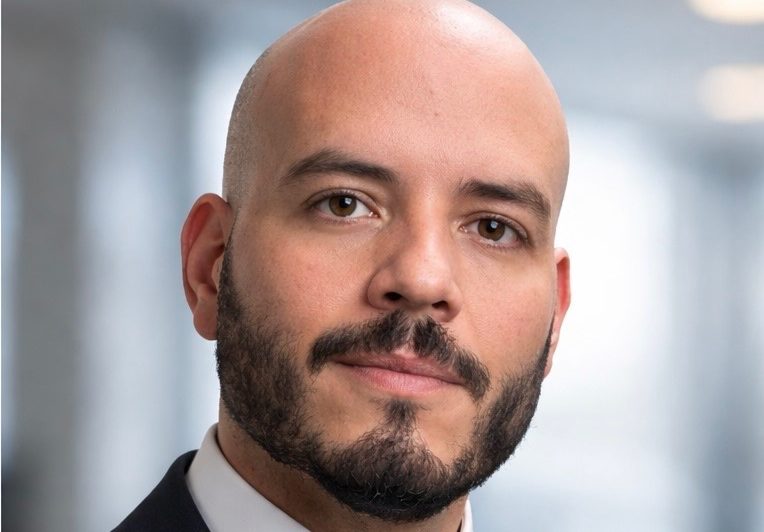
Dr. José Sosa-Palacios is a primary-care physician and Regional Medical Director in Orlando. He is president of the Florida ACN Medical Association.