
In leadership, consistency is the bedrock of trust.
Over the last year, Florida has set a national standard for education freedom by making K-12 scholarships universal. We have embraced a powerful, commonsense philosophy: The money should follow the student to the environment that best fits their unique calling.
However, as we celebrate National School Choice Week, we must address a glaring inconsistency in our framework that leaves thousands of college students behind.
As the president of Southeastern University in Lakeland, I see the heart of this issue every day. We tell our families that they have the right to choose the best school for their child from kindergarten through high school. But the moment that student crosses the graduation stage to pursue a higher calling, the rules change.
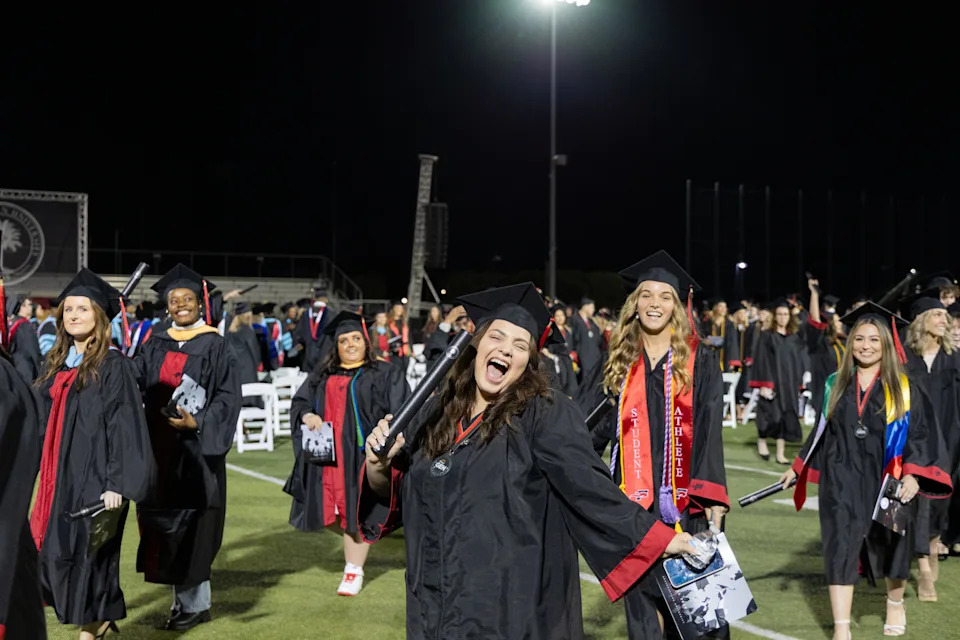
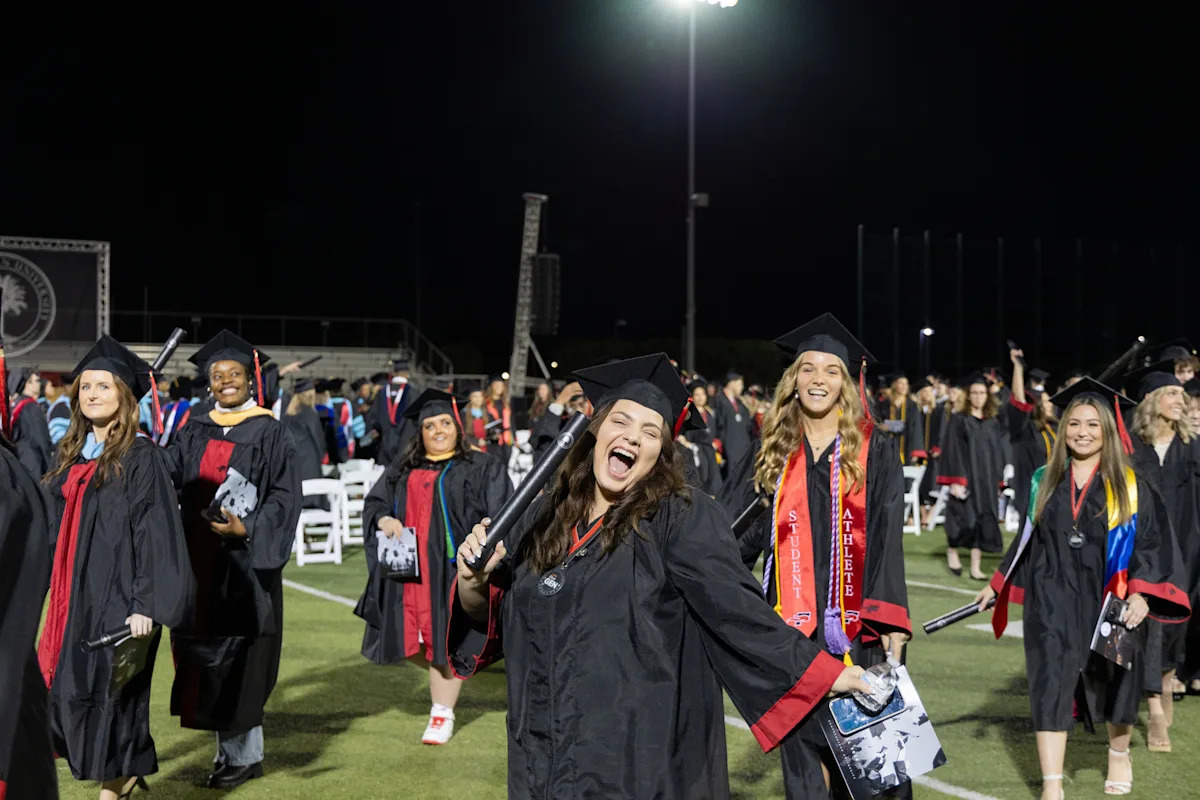
Southeastern graduates celebrate during Fall 2024 graduation ceremonies.
We have created a funding discrepancy that penalizes students for choosing mission-driven, independent education.
To understand the scale of this discrepancy, we have to look at the numbers. According to a report published by the Independent Colleges and Universities of Florida, in the 2025–2026 Florida budget, the state’s total investment in its public universities averages $15,129 per local student when factoring in operational and performance-based funding.
Meanwhile students choosing to attend a private institution receive just $3,500 per year through the Florida EASE Grant. But the most shocking numbers from the report showed that the state’s total investment for an out of state student to attend a Florida public university averages $4,889.
To be clear, Florida taxpayers are paying more for a student from New York or California to attend a public school in Florida, than for a Florida student who wants a mission-driven, faith-based or private education. The data clearly shows that the vast majority of students who come to Florida for college leave immediately after graduating, and we are funding that rather than empowering a Florida student to stay, study and eventually work in their community.
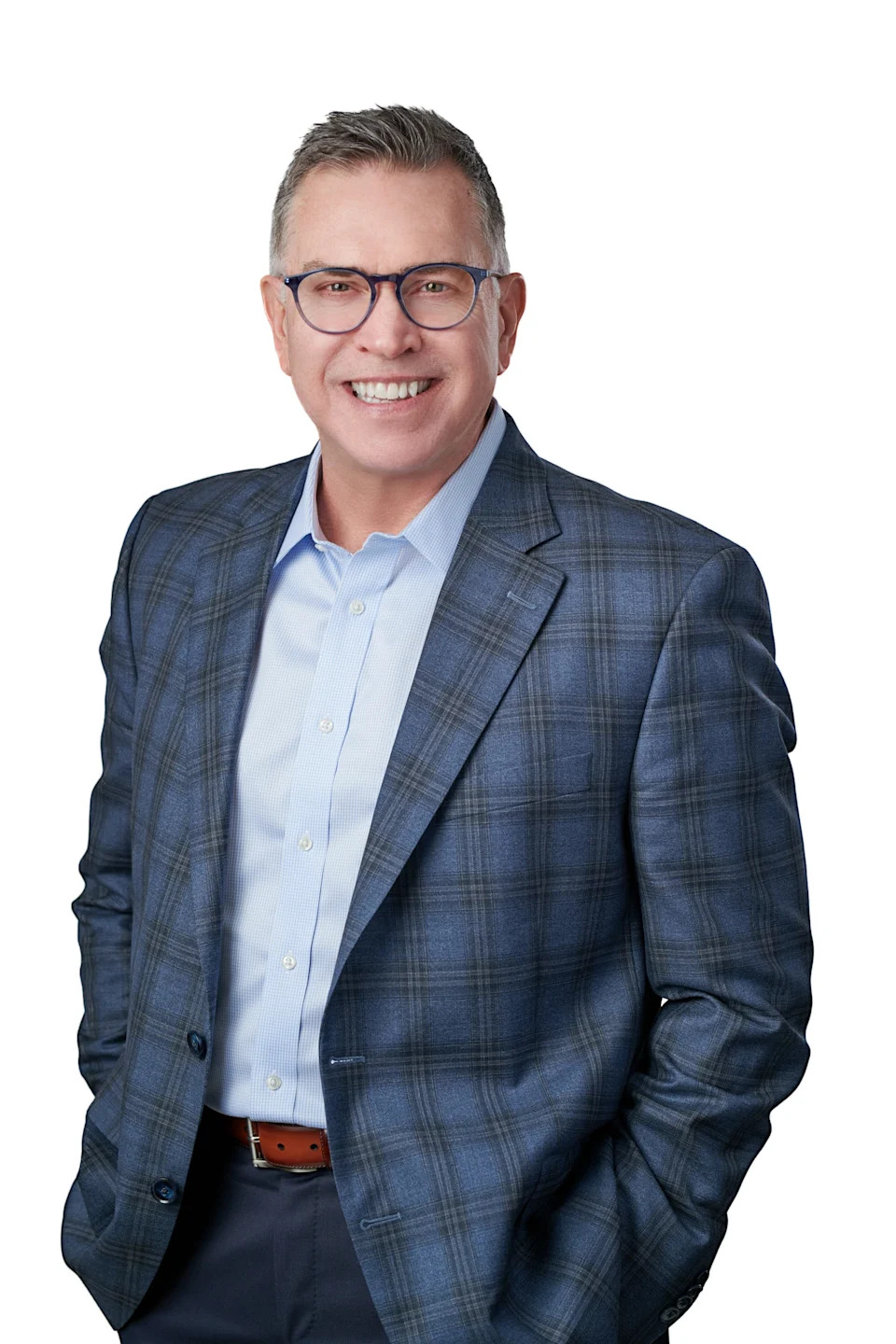
Kent Ingle, president of Southeastern University
As an educational leader, I believe in maximizing ROI for taxpayers and our state. Recent efficiency studies indicate that for every $1 million in state support, private colleges graduate 265 degree recipients, compared with just 18 in the public system, a 14.6 to 1 ROI.
But this is not just about private versus public universities. It is about justice, access and choice. Why should a student’s right to choose end at age 18? If we believe that a family knows best for a 10th-grader, we must believe they know best for a college freshman.
At independent schools, half of our students are racial-ethnic minorities, and a similar percentage come from low-income families. By narrowing the gap between the $15,129 given to public schools, the $4,889 provided for out-of-state students and the $3,500 given to independent ones, we provide these students with a pathway to a purpose-driven life without the burden of soul-crushing debt.
We must move beyond the status quo that protects bloated bureaucracies and return to a model that empowers the person. We need to align our spending with our values.
If we can afford to subsidize the education of students from across the nation, we can certainly afford to protect the EASE Grant, which truly reflects the rights and access our own Florida students deserve. Florida has led the way in K-12 school choice. Now it is time to finish the job to fully support universal choice from Pre K to 16.
Congress and our state leaders are right to act on school choice. Now, they must ensure that every Florida resident has access to the education that best prepares them for their calling.
Kent Ingle is president of Southeastern University in Lakeland.
This article originally appeared on The Ledger: Why Florida’s private colleges outshine the rest | Guest commentary