
Written by Michael Lewis on February 4, 2026

Advertisement
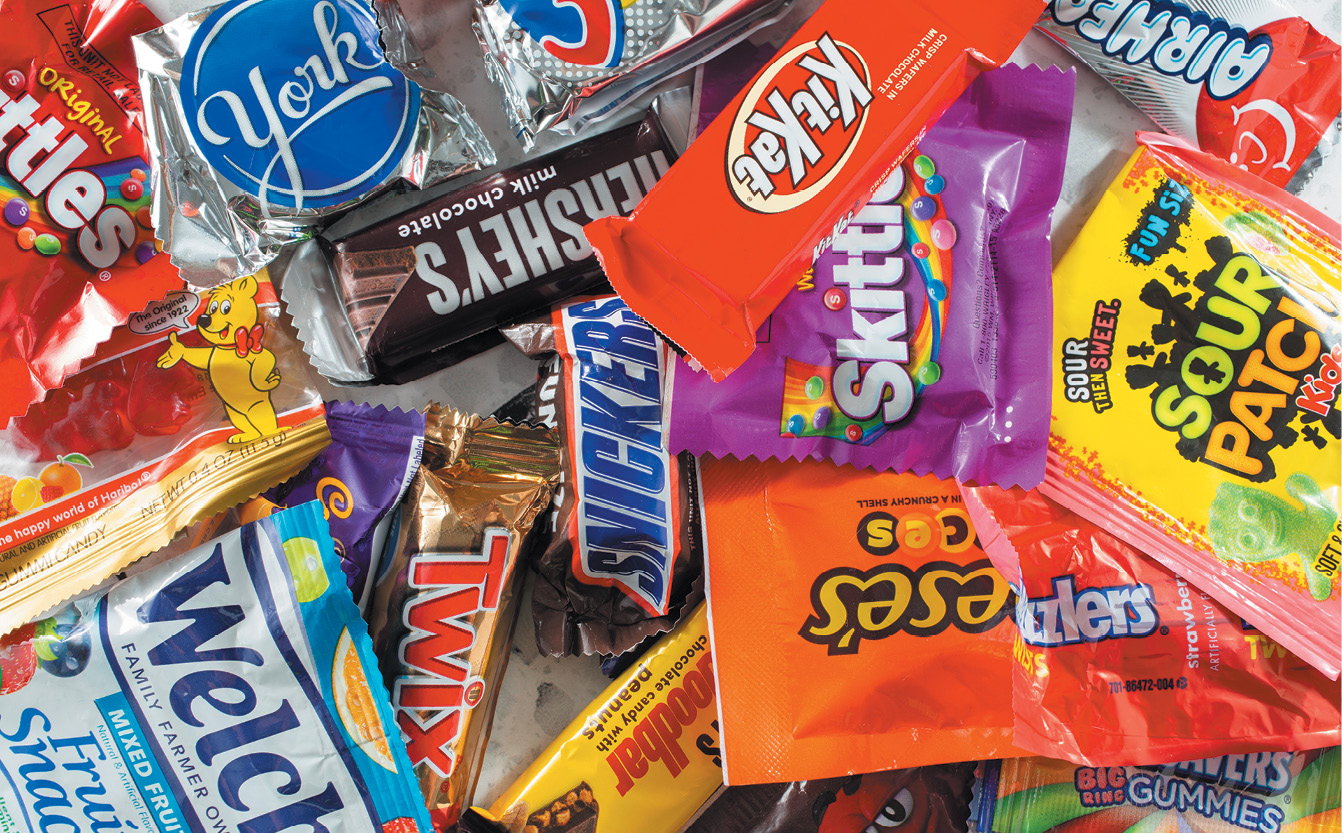
A friend dropped in Saturday morning with a gift bagful of favorite candies. Gratitude was quickly followed first by guilt over future consumption and then immediately by worries about what Florida Gov. Ron DeSantis would have to say about this candy bonanza.
My candy, it seems, had arrived only days after the DeSantis administration had posted information about its tests of 46 kinds of candies from 10 manufacturers with the finding of elevated arsenic levels in more than 60% of those candies.
So, how worried should I be about consuming my gift?
Well, I got some M&Ms, and all of you other addicts will be happy to know that M&Ms showed no elevated levels of arsenic. Therefore, the official Florida report showed no risk at all in consuming as many of them as you want. In the column of the report labeled “safe consumption limit per year,” the report said simply “risk not identified.”
That is, no arsenic risks were identified. As for consuming lots of sugar and fat, replacement of wholesome foods with candy, and assorted other clear health risks, the Florida report said not one word. The one and only benchmark is arsenic danger.
Other toxin dangers were in fact probed, but the governor’s wife, Casey DeSantis, who was front and center in the candygate investigation announcement, said none of the 46 brands listed on the Healthy Florida First site shows elevated levels of mercury, lead, cadmium or “other problematic carcinogens.” That’s a relief, though lack of carcinogens is far from equating to healthful snacking.
Before starting to use the state’s official candy listing as a health guide – even if only for arsenic dangers – beware that 46 is an incomplete candy count. Also among my gift candies were Baby Ruth bars, a staple of my diet since pre-teen years (full disclosure: I am eating one as I write). I have no idea how much arsenic I am consuming now or have for decades in those Baby Ruth bars because they weren’t tested by the state. Neither were the Kinder Bueno minis in the gift bag.
Ten manufacturers and 46 brands just scratched the surface of a full candygate investigation.
They did, however, remind me of how many candy brands that older generations loved and dentists grew wealthy on had disappeared completely, not just from the DeSantis hit list but from the candy counters of America. If you’re into excess sugar or nostalgia, you can find a very long list of discontinued candies at candylovers.com, where a broader and deeper look at candy joys (if not dangers) resides.
I found on that discontinued list of fabled brands those Clark Bars and Mars Bars and Jawbreakers (talk about the brand name containing a clear warning of its own dangers) and O’ Henry and Payday bars that were once candy-counter staples. Who knows how much arsenic this nation consumed in those five brands alone?
If you’re looking for safety from candy arsenic, Twix, Milky Way, Hershey’s Milk Chocolate, Reese’s Peanut Butter Cups and Whoppers are names I identified on the Florida “good to eat” list. You can find others – and the bad apples – at Healthy Florida First. And, if your concerns go beyond arsenic, you can try raw carrots or celery as safe candy substitutes.
So, why is Florida spending money to test candy in the first place?
“Our goal really has been, as the governor has articulated, to support the federal movement” by U.S. Department of Health and Human Services Secretary Robert F. Kennedy Jr., Ms. DeSantis said at an event last week in explaining why Florida is spending $5 million on its own testing work.
“The [U.S. Food and Drug Administration] primarily works as a reactionary force, stepping in after problems are identified, and while that role is very important, Florida is really working to change the system by supporting the FDA to not only continue to get in front of these problems by testing, but also by leading a coalition of states to trust but verify the integrity of our food supply,” Ms. DeSantis said, according to a Florida Phoenix report.
I wonder whether Florida will also spend its money to test the integrity of our own homegrown food products. But at least it’s focusing on one of the major building blocks of nutrition: candy.
Florida’s Surgeon General Joseph Ladapo, who is working hard to vaccinate fewer of us against diseases, told the press conference that unveiled candygate that he’s not through with his testing of our food supply. “There’s a lot more to go. There’s plenty of dirt, unfortunately, to uncover,” he said.
The reassuring thing is he knows the dirt is there even before he tests for it, so he’s sure to uncover some wherever he looks. The food is found guilty; now, let’s put it on trial.
While arsenic is found “everywhere” and “in all foods,” Mr. Ladapo said, it was found in higher concentrations in the candies “than even foods that we know have high levels of arsenic in general, like rice.” So, will we see the state’s next investigative step surface in ricegate? That would certainly find a high interest in rice-craving Miami.
Meanwhile, I’ll stick with good nutritious foods that already have the seal of approval from Healthy Florida First. Please pass the M&Ms.