
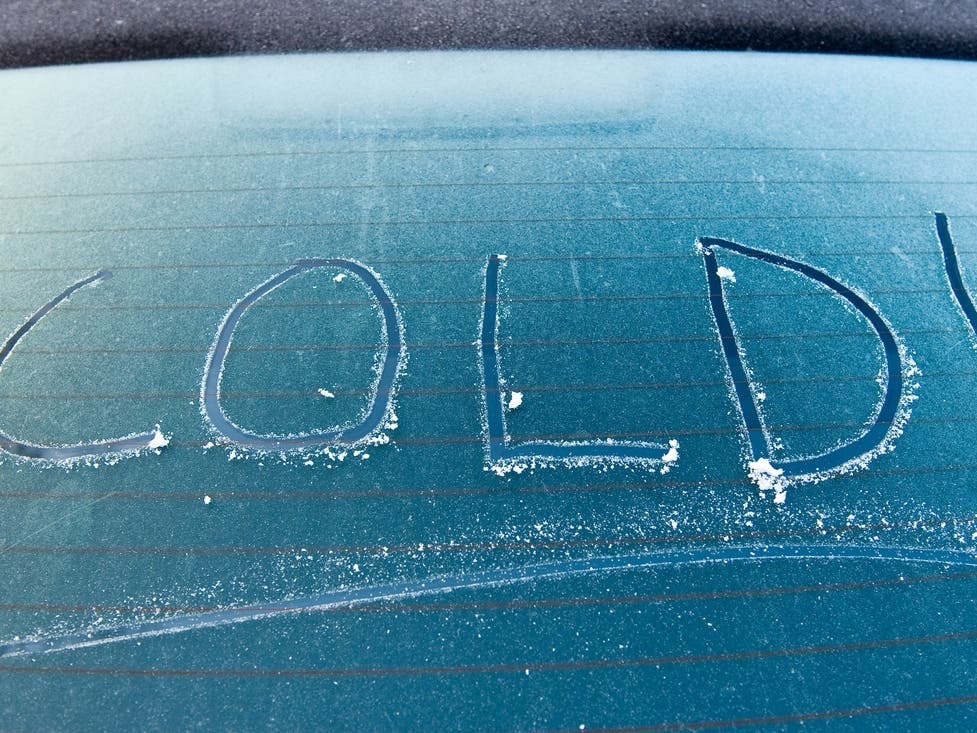
In case you’re wondering as you add an extra blanket to the bed, the coldest day ever in Florida was on Feb. 13, 1899, when the low was 2 degrees below zero Fahrenheit, according to official government climate data.
We mention that for perspective because multiple forecasts suggest the extreme cold that settled into the eastern half of the country in late January will stick around through the early part of February.
February temperatures in Florida should be above average, according to an updated outlook from the National Oceanic and Atmospheric Administration’s Climate Prediction Center.
Despite fading La Niña conditions over the coming weeks, some lingering effects are expected to continue through April and perhaps into May, according to government forecasters.
On X, Washington Post meteorologist Ben Noll said in a post on X that compared to average, temperatures from Dec. 1-Jan. 31 were the coldest in New Jersey, Pennsylvania, Delaware and Maryland, while Wyoming, Utah, Nevada and Idaho have been warmest.
Temperatures in Florida have been about 0.6 degrees Fahrenheit above average, according to Noll’s data.
AccuWeather said Monday that near-record cold will continue in the Midwest and Northeast through much of February, giving cities such as Detroit, New York and Boston their coldest winter in eight years.
AccuWeather lead long-range forecast meteorologist Paul Pastelok said the blasts of cold air that will continue in the first half of February may not be “quite as extreme” as last month.
The cold is courtesy of a familiar wintertime nemesis, the polar vortex. Not all winter cold is polar vortex-related; however, this storm, which typically holds the coldest air near the Arctic Circle, has recently shifted and weakened, allowing frigid air to move southward, AccuWeather said.
“We are monitoring a potential polar vortex disruption in early February that can give an extra boost to the cold in the eastern U.S., about seven to 10 days later,” Pastelok said. “Sudden warming high up in the atmosphere, or stratosphere, tends to set off a polar vortex displacement. That displacement may add more fury to a storm prior to the middle of the month and then more punch to the cold that follows that storm in the U.S.”
The Weather Channel said much of the northern tier of the country is expected to see below-average temperatures, with the Northeast and upper Michigan seeing the coldest weather with highs in the 20s and 30s.
Temperatures in the southern tier of the country vary greatly by altitude, with average February highs ranging from the 30s to the 70s, AccuWeather said. Most of the West is expected to continue to experience above-average temperatures.
February temperatures in Florida are expected to be above average, according to that outlook.