
When the next Key Biscayne Village Council meeting convenes Feb. 10, it should be electric, as some might say.
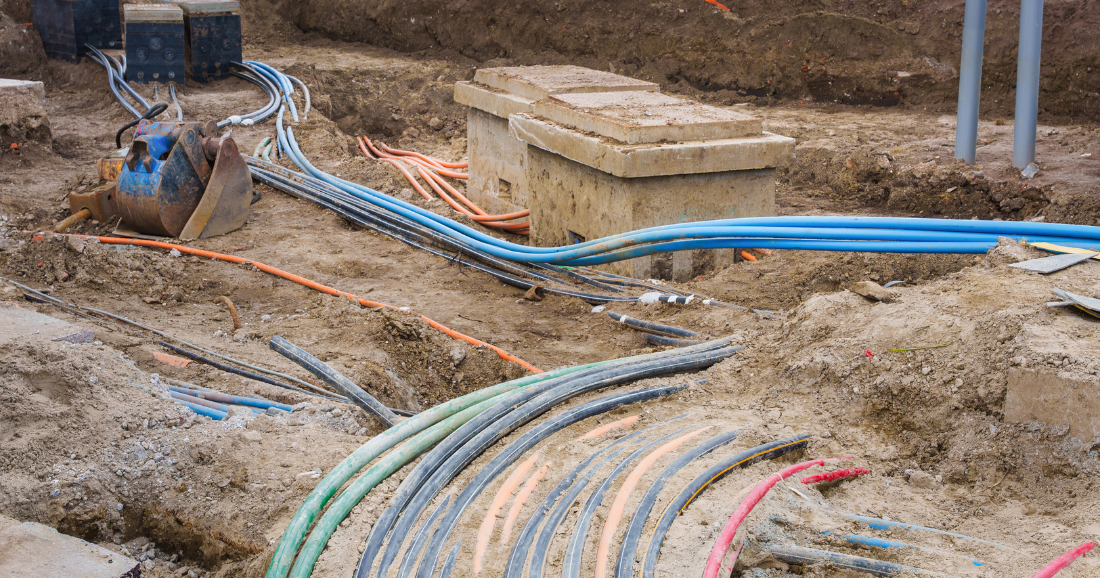
One resolution that is expected to be on the agenda is asking the Council to move forward on a full undergrounding of electrical and telecommunication lines, primarily funded by the Village’s Resilient Infrastructure General Obligation Bond for a cost of approximately between $66 million to $81 million.
Village Manager Steve Williamson said, “Technically, there’s only one option” at this point from Florida Power & Light officials that could satisfy the needs of a more resilient system, since a hybrid option was deemed not feasible at a recent workshop.
Several Village officials there that night appeared to be leaning toward a full utilities undergrounding project, rather than simply opting for the hardening of existing feeders and power poles.
“We would be responsible for the work (in a full FPL project), but they would become a partner so we can meet their standard,” Williamson said in an Islander News interview Tuesday morning. “We do get a significant discount on materials and equipment, I’d say close to 50%, but they have their own (system to calculate those figures).
“We would be responsible for the work and we’d have to pay full labor and all that other stuff that goes with it.”
Zone 8, in the Garden District, is the recommended first project, according to a memo sent by Williamson to Council.
That area is a relatively smaller project, requiring final design, permitting, procurement and utility coordination needed to initiate construction.
Williamson said FPL “works very well with us.” The idea is to get Comcast and AT&T on board in similar fashion, so that actual work could possibly start in late 2027 in Zone 8.
The second project would focus on Zone 1, “the most advanced section,” around the K-8 Center, but that should be delayed until a final decision evolves around how the stormwater system there will be improved. Staff is recommending final design and construction to remain on hold for now.
Project No. 3 is the area within Zones 2-7, the largest component of the program. These zones will advance together in design but will be phased in to align with GOB funding availability, contractor and utility capacity, and community disruption management.
Current planning-level cost estimates amount to approximately $66 million to $81 million for Zones 8, 1, and 2-7 combined.
“You don’t know what you don’t know,” Williamson said, referring to specific costs. “Maybe, just talking off the top of my head, a transformer might be 55% (discount) off, a connector, say, 48% off … we really don’t know at this point.”
Of course, the Village Council could choose to harden the existing feeders (overhead power lines and transformers comprise a good portion of the housing and business community).
“If we were going to do that, they would pay for it, about $15-$20 million, but that is not on the table,” Williamson said.