
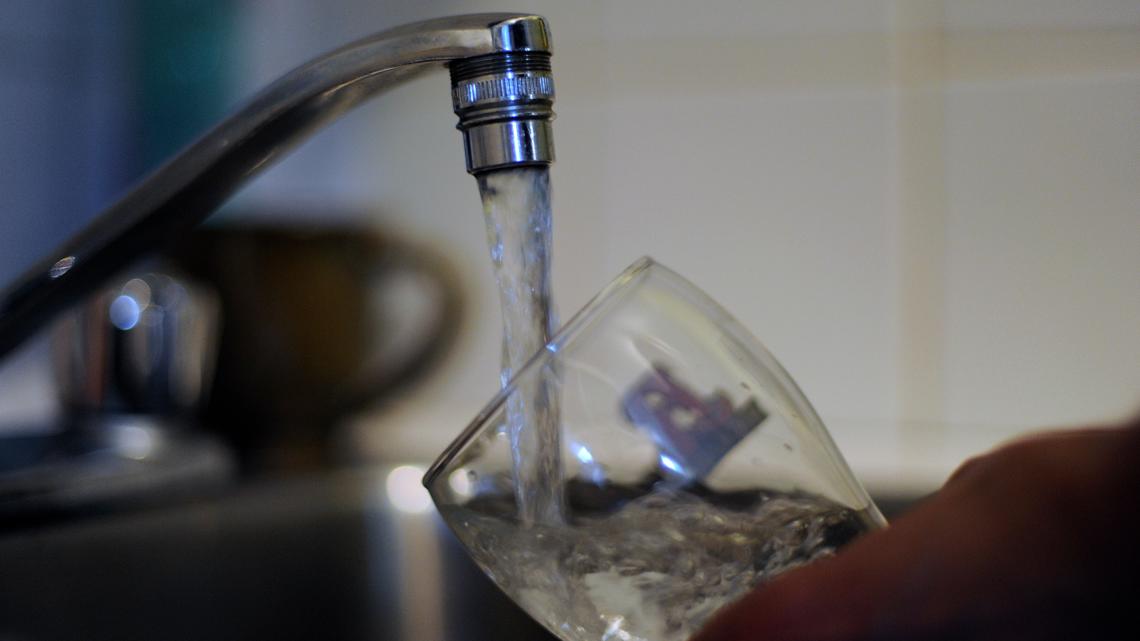
Tampa Bay Water is asking residents of Hillsborough, Pasco and Pinellas counties to do their part.
TAMPA, Fla. — It’s not quite turning water into wine, but the process at the Tampa Bay Seawater Desalination Plant in Apollo Beach — which turns seawater into drinking water — is just as valued right now.
This week, Hillsborough, Pasco and Pinellas counties were all upgraded to Stage II Drought Warnings, which is considered severe.
Over the last year, the Tampa Bay region has seen an 11-inch rainfall deficit and decreasing river flows.
“We’re concerned about reservoir levels because right now it’s only about half full, and we still have several months of the dry season to go,” said Warren Hogg, Tampa Bay Water’s Chief Science Officer.
That’s why Tampa Bay Water is now asking residents for help, implementing new water use restrictions starting Sunday.
The utility is asking residents to first focus on outdoor water use, which they say accounts for 50% of use in an average home. Residents in the region may now only water their lawns once per week and are asked to check their zip codes at MyWaterDay.org to see which day they should do their outdoor watering.
“It is wintertime and your yards are dormant. You really only need to water your yard once every 10-14 days to maintain its health,” Hogg said. “In the spring and the summer, when it rains, that lush green grass will come back.”
Those who violate this restriction could face a $500 fine or a court appearance, Hogg says. Failure to cooperate could also lead to even tighter restrictions like a ban on outdoor watering altogether.
For residents who don’t have lawns, there are ways they can also cut back. Tampa Bay Water asks you to keep laundry and dishwasher use to only when they are full, turn the tap off when brushing your teeth, take shorter showers or check for any leaks in pipes.
Hogg says two years ago similar restrictions were put in place and residents cooperated so that the region could extend the water in its reservoir to the end of the dry season. The desalination plant, which supplements that water, currently supplies just about 6% of the region’s water, so the reservoir supply is still quite important.
They’re not asking you to turn water into wine, but they say if everyone does their part, we won’t need a miracle.