
Deltona sits at the crossroads of Central Florida’s future, yet it is almost never treated that way.
More than 90,000 people live here. We are one of the largest cities in Volusia County, larger than many places that dominate regional headlines. And still, Deltona is spoken about as if it were an afterthought — a bedroom community, a pass-through, a place people leave every morning and return to only to sleep.
That framing is not just inaccurate. It is costly.
Every weekday before dawn, Deltona empties itself onto I-4. Teachers, nurses, engineers, construction workers, hospitality staff, and public servants flow south and west into Orange and Seminole counties. They fuel the region’s economy with their labor, their spending, and their time — yet little of that value ever circulates back home.
This is not a complaint. It is an accounting problem.
We have built Central Florida as if some communities exist to produce and others exist to prosper. Deltona has been quietly slotted into the first category. The result is a city rich in people and poor in opportunity, strong in families and weak in local economic gravity.
If this sounds abstract, consider the lived reality. Parents leave before their children wake up. Small businesses struggle to survive because lunchtime crowds are somewhere else. Young adults grow up assuming success requires leaving town. Civic life thins out because exhaustion replaces engagement.
None of this is inevitable.
 Deltona’s greatest underused asset is not land or tax policy. It is its people. We are a city of veterans, tradespeople, nonprofit leaders, educators, remote workers and caregivers. We have deep institutional knowledge, real skills, and an ethic of service shaped by long commutes and shared sacrifice.
What we lack is a regional imagination that includes us.
Central Florida’s growth conversations often orbit downtown Orlando, Lake Nona, Winter Park or the tourism corridor. Volusia County enters the frame only when something goes wrong. Deltona almost never appears at all.
That omission has consequences. Transportation decisions are made without regard to commuter realities. Economic development strategies chase shiny projects while ignoring workforce-heavy cities. Housing policy debates fixate on supply without acknowledging the strain placed on families who spend hours each day on the road.
If we are serious about regional resilience, Deltona cannot remain invisible.
We should be talking about remote-work infrastructure, not just office towers. About local entrepreneurship, not just large-scale incentives. About how cities like Deltona can capture more of the value they already generate instead of exporting it wholesale.
We should also be honest about what is holding us back. Fragmented local governance. Reactive planning. A culture that treats civic leadership as a side project instead of a calling. And a habit of dismissing frustration as apathy rather than recognizing it as exhaustion.
Deltona does not need saving. It needs investment, attention, and respect.
The future of Central Florida will not be decided only in boardrooms or downtown councils. It will be decided in places like Deltona — where growth is felt first, stress is carried longest, and solutions must be practical, not performative.
Ignoring that reality does not make it go away. It just delays the reckoning.
The question is whether we are willing to see cities like Deltona as what they already are: not the edge of the region, but its front porch.
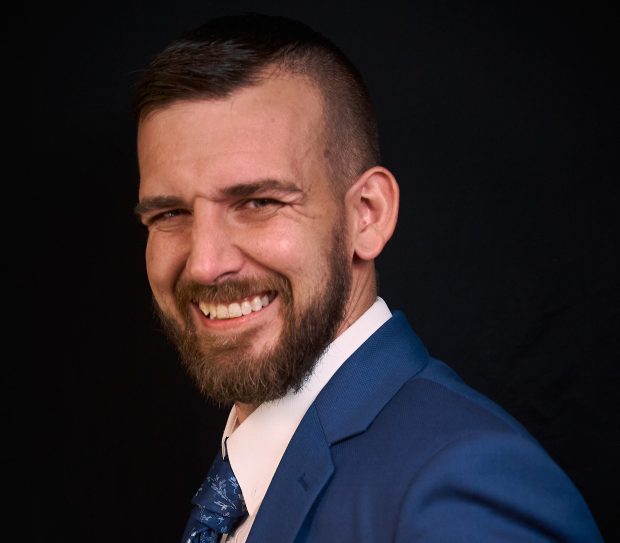
Christopher Bellingham lives in Deltona.