
Home » Latest Travel News » New York City Joins Los Angeles, Newark, Fort Lauderdale, Atlanta, Miami, and Other US Cities in Facing a Significant Decline in Tourist Arrivals From Latin America Last Year: Everything You Need to Know
Published on
February 6, 2026
In 2025, New York City joined Los Angeles, Newark, Fort Lauderdale, Atlanta, Miami, and other U.S. cities in facing a significant decline in tourist arrivals from Latin America. This drop is attributed to a variety of factors, including rising airfare costs, economic challenges in Latin America, and increased competition from other international destinations. Despite the iconic attractions and cultural offerings of these cities, Latin American travelers are opting for closer, more affordable alternatives, reflecting a broader shift in travel behavior. The impact of this trend is particularly noticeable in cities like New York and Miami, where Latin American tourism has traditionally been a key driver of the economy. This article explores the reasons behind the decline and what U.S. cities are doing to adapt to these changing dynamics.
New York, NY: A Significant Decline Despite Its Popularity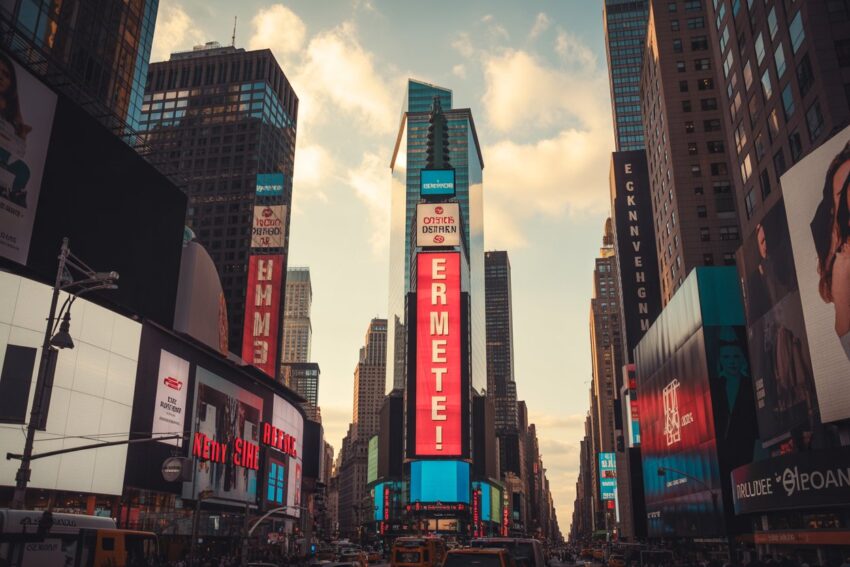
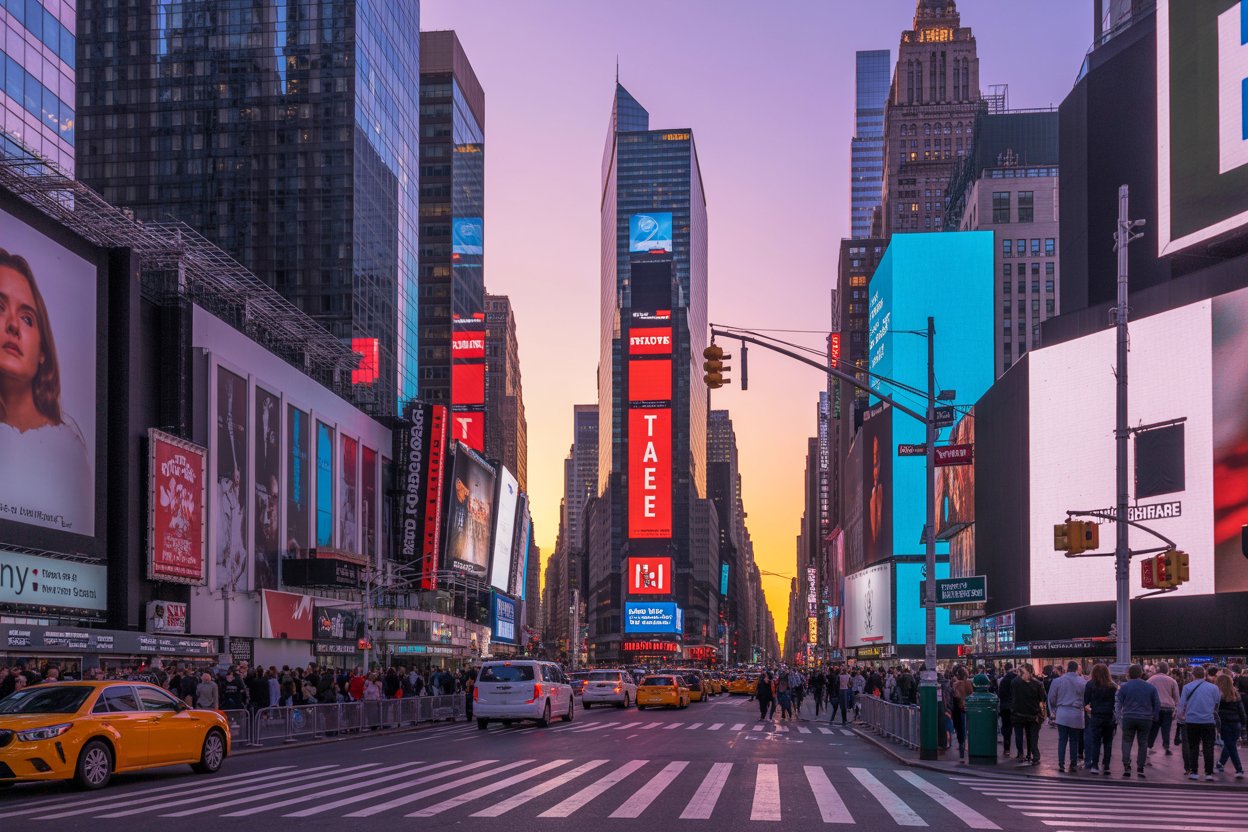
New York City, historically a top destination for Latin American tourists, has seen a -3.70% decline in arrivals, from 544,727 in 2025 to 565,639 in 2026. This is a significant drop for the city, which usually attracts a large number of tourists due to its iconic landmarks, vibrant cultural scene, and diverse entertainment options. The decline could be attributed to various factors, including the global economic slowdown, which has affected discretionary spending for travel. Rising airfare costs, particularly from Latin America, and increased visa processing times might also discourage travel to New York. Additionally, the city is facing increased competition from other global cities that have stepped up their marketing and tourism offerings in recent years. While New York continues to be a prime destination for Latin American travelers, these factors are forcing the city to reconsider its approach and adapt to changing travel dynamics by enhancing its appeal to international tourists, focusing on tailored experiences for Latin American visitors, and improving accessibility to the city’s major attractions.
Los Angeles, CA: A Slight Dip in Latin American Visitors
Los Angeles, one of the most iconic cities in the U.S., has seen a marginal decline of -0.42% in Latin American tourist arrivals, dropping from 171,804 in 2025 to 172,521 in 2026. While this drop is not drastic, it highlights the city’s struggle to maintain its stronghold as a preferred destination for Latin American travelers. Los Angeles has long been a cultural magnet, attracting tourists with its vibrant entertainment scene, beautiful beaches, and iconic landmarks like the Hollywood Walk of Fame and Universal Studios. However, economic challenges, currency fluctuations, and rising flight costs could be contributing factors to the slight decrease in arrivals. Additionally, competition from other U.S. cities offering similar experiences, such as Miami or New York, may have diverted some of the potential traffic. While Los Angeles remains a top destination for Latin American tourists, the city must consider diversifying its tourism offerings and strengthening promotional efforts to retain its appeal amidst changing travel patterns.
Newark/Teterboro, NJ: A Moderate Decrease in Latin American Arrivals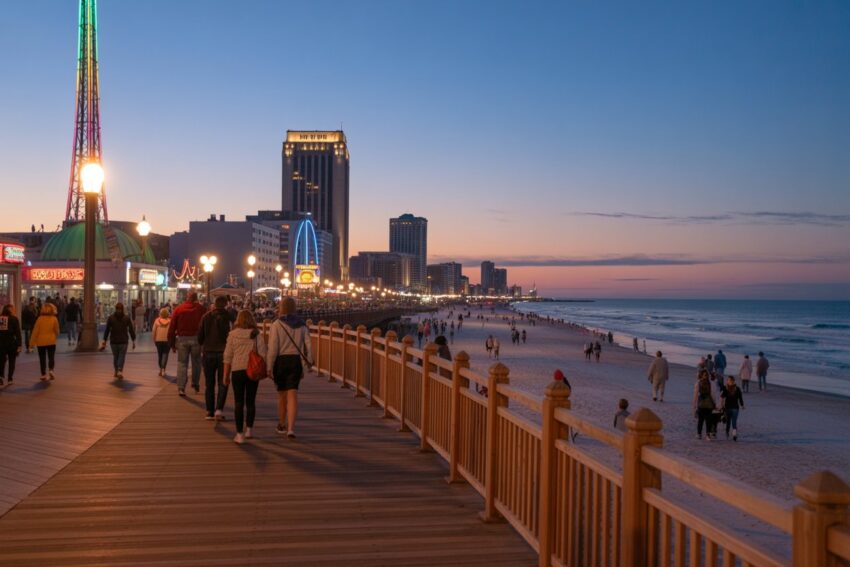
Newark/Teterboro, NJ, has seen a -1.54% decline in Latin American tourism, with arrivals decreasing from 89,294 in 2025 to 90,694 in 2026. Though the decrease is moderate, it signals a noticeable shift in tourist behavior. Newark, often overshadowed by nearby New York City, faces an uphill battle to attract visitors from Latin America, who tend to gravitate towards larger, more well-known destinations like Miami or New York. The city’s position as a hub for international flights might not be enough to compensate for the lack of distinctive tourist attractions. The decline could be attributed to the growing trend of travelers preferring direct flights to more tourist-centric cities in the U.S. that offer more significant cultural, historical, and recreational activities. Additionally, the increase in visa and travel requirements might also have contributed to the decline in visitors. For Newark, enhancing its regional tourism and marketing its proximity to New York City could be vital strategies to boost future Latin American arrivals.
Atlanta, GA: A Steep Decline in Latin American Tourists
Atlanta, Georgia, saw a -3.55% decline in Latin American tourist arrivals, falling from 199,014 in 2025 to 206,334 in 2026. This drop reflects a broader trend of decreasing interest in traditional destinations like Atlanta among Latin American travelers. While the city is home to major attractions such as the Georgia Aquarium and the Martin Luther King Jr. National Historical Park, it has historically struggled to compete with larger tourism giants like New York, Miami, or Los Angeles. The city’s relatively lower profile in terms of international tourism, combined with a rise in long-haul travel costs, may have played a part in this decline. Additionally, the continued influence of the COVID-19 pandemic, especially in terms of travel hesitancy and uncertainty, might be keeping some potential tourists away. For Atlanta, broadening its international tourism campaign, focusing on Latin American cultural ties, and collaborating with international carriers to promote direct flights could help reverse this downward trend in the coming years.
Miami, FL: A Significant Decline in Latin American Traffic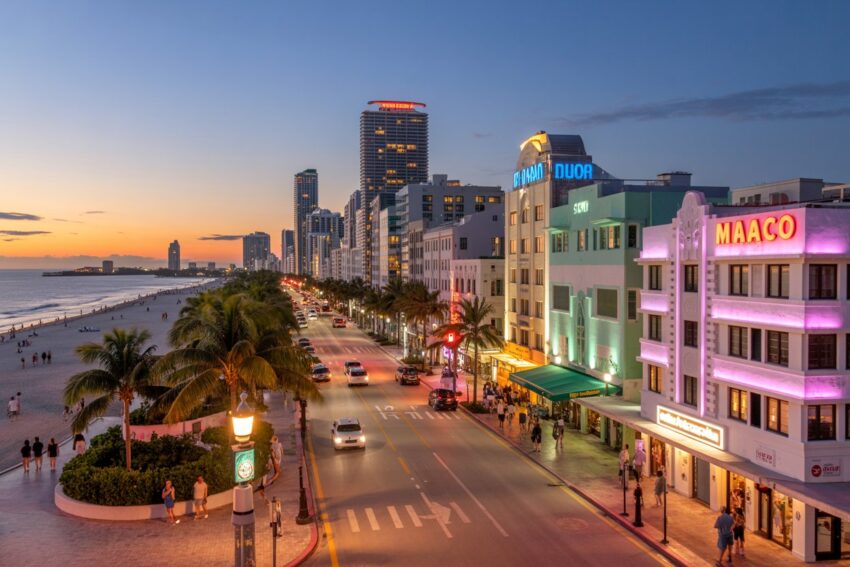
Miami, traditionally one of the most popular U.S. cities for Latin American tourists, saw a significant -6.04% decline in arrivals, from 1,679,501 in 2025 to 1,787,442 in 2026. This sharp decline reflects several shifting trends in the travel industry. Miami’s draw has been its proximity to Latin America, with cultural similarities, beautiful beaches, and vibrant nightlife serving as key attractions. However, the city is now facing increased competition from other U.S. cities offering similar experiences. Economic challenges, including inflation and rising travel costs, may also be influencing the decision-making of Latin American travelers. Additionally, with ongoing concerns around global security and visa processing delays, some potential visitors may be opting for closer or less costly travel destinations. Miami’s tourism industry must now adjust to these changing preferences by diversifying its offerings and focusing on emerging tourism sectors like eco-tourism, local culture, and luxury experiences.
Advertisement
Advertisement
Fort Lauderdale, FL: A Drastic Drop in Latin American Arrivals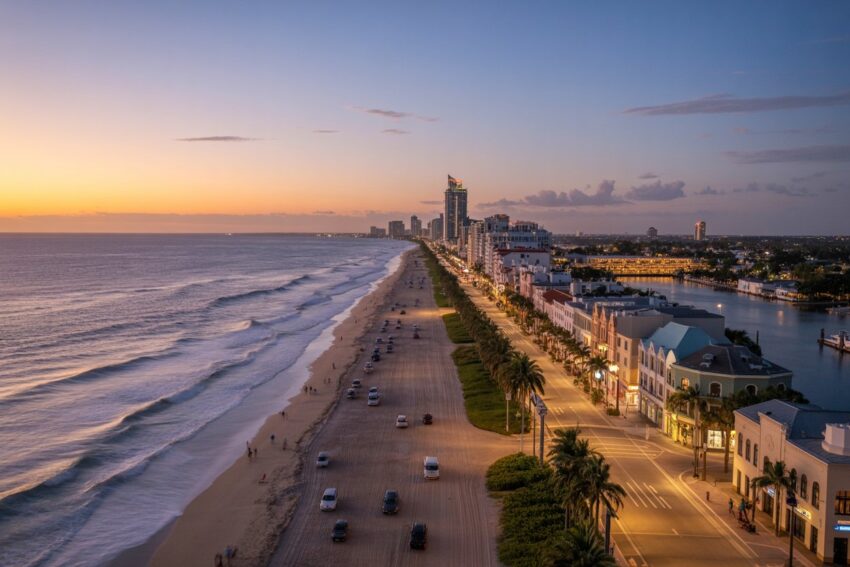
Fort Lauderdale, FL, has witnessed one of the steepest declines in Latin American tourist arrivals, with a -14.31% drop from 255,241 in 2025 to 297,877 in 2026. This dramatic decrease can be attributed to a combination of factors. Fort Lauderdale, while known for its laid-back atmosphere and beachfront resorts, lacks the major attractions and entertainment options that cities like Miami or New York offer. As travelers from Latin America seek more culturally rich experiences or well-known urban centers, Fort Lauderdale may not be meeting the evolving demands of the market. Additionally, the rise in flight prices and visa restrictions has deterred many potential tourists. The decrease in Latin American arrivals could also be tied to global uncertainties, including the lingering effects of the pandemic and its impact on tourism behavior. Fort Lauderdale’s tourism sector may need to focus on revamping its marketing strategies, offering unique travel experiences, and positioning itself as a more affordable alternative to its more prominent Floridian neighbors.
Latin American Tourism to the U.S.: A Vital Yet Evolving Market
Latin American tourism has long been a vital source of visitors to the U.S., with travelers from countries like Mexico, Brazil, Argentina, and Colombia flocking to major cities such as Miami, Los Angeles, New York City, and San Francisco. The proximity of these nations to the U.S., along with cultural ties, has made travel across the border both convenient and appealing. Latin American tourists are drawn to the U.S. for its iconic landmarks, world-class shopping, entertainment, and cultural experiences. However, in recent years, shifts in economic conditions, currency fluctuations, and rising travel costs have impacted the flow of visitors. Additionally, increased visa processing times and stricter travel regulations have created barriers for potential tourists. Despite these challenges, Latin American tourism remains a critical component of the U.S. travel industry, and U.S. cities are increasingly focusing on tailored offerings to attract and retain this vital market.
In 2025, New York City joined Los Angeles, Newark, Fort Lauderdale, Atlanta, Miami, and other U.S. cities in facing a significant decline in tourist arrivals from Latin America. Rising costs, economic challenges, and competition from other destinations contributed to this drop.
Conclusion
New York City has joined Los Angeles, Newark, Fort Lauderdale, Atlanta, Miami, and other U.S. cities in facing a significant decline in tourist arrivals from Latin America. This decline can be attributed to a combination of factors, including rising travel costs, economic pressures in Latin American countries, and increasing competition from other global destinations. Despite these challenges, these cities remain key attractions for international visitors, and efforts are being made to adapt to shifting travel patterns. By diversifying tourism offerings and enhancing their appeal to regional travelers, U.S. cities hope to regain their position as top destinations for Latin American tourists in the years to come.
