
Doctors say high vaccination rates limit risk, but some adults may still need to check immunity.
ST. PETERSBURG, Fla. — A confirmed case of measles at St. Petersburg Catholic High School has raised new questions about how contagious the virus is and who may be most at risk.
School leaders say the case involves a sophomore. The student has not been on campus since Jan. 27.
In a letter sent to parents, the school said 99.2% of its student population is vaccinated and that classes and activities are continuing as normal.
Dr. Michael Teng said that high vaccination rate significantly lowers the risk of spread, something he credits to school vaccine requirements.
“99 percent vaccination rate means that this virus is likely not to spread too much in this high school,” Teng said. “Most of the cases, if you’ve been vaccinated with the two dose vaccine schedule you’re protected even if you’re infected. You’d be more likely to see mild symptoms.”
Measles spreads through the air when an infected person coughs or sneezes and is extremely contagious. The virus can linger in the air for up to two hours after an infected person leaves a room.
Symptoms typically appear one to two weeks after exposure and often begin with fever, cough and red, watery eyes before a rash develops and spreads across the body. Children under 5, pregnant women and people with weakened immune systems face the greatest risk of complications.
Teng said adults born before 1989 — when recommendations changed to the current two-shot series — may also be vulnerable.
“So if you’re older, for sure it’s something you should think about,” Teng said. “You can get a test at your local pharmacy, a blood draw, they’ll look for antibodies in your system. If you have the antibodies over a certain amount, you’re protected. If not, you can consider getting a booster dose.”
Dr. Teng says while the school case is unlikely to spread widely, he is concerned about a current outbreak in South Carolina because a lot people will be driving down to Florida in March for Spring Break and it could spread.
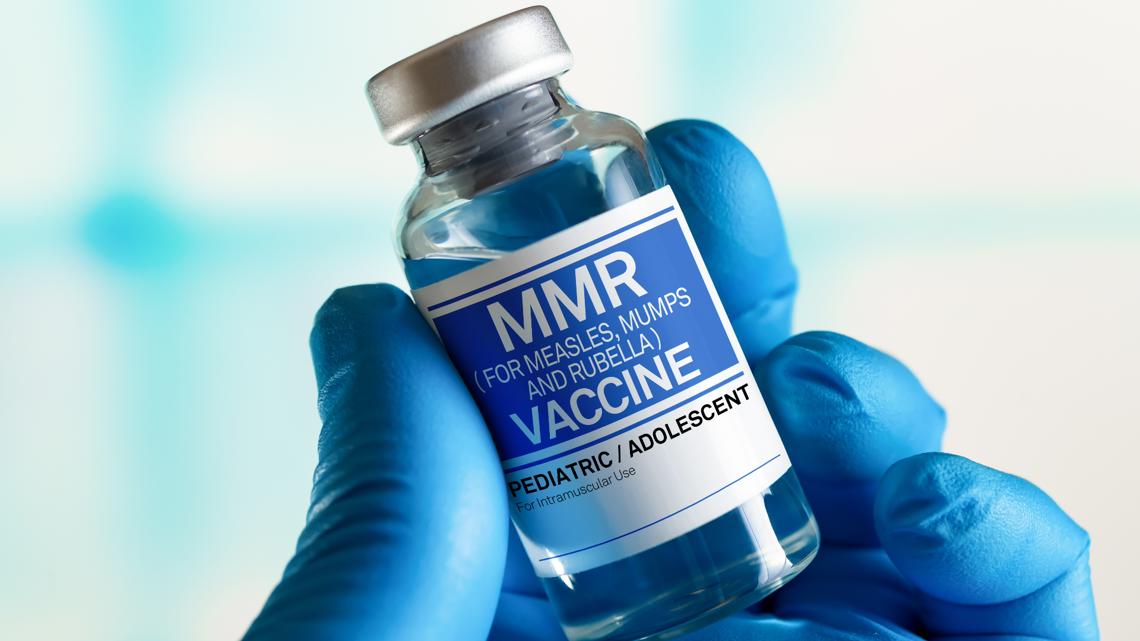
Doctors say there is no specific treatment for measles, which is why prevention is critical. The Centers for Disease Control and Prevention (CDC) says the MMR vaccine is the most effective protection and that immunity lasts for life for most people.
School officials said they will continue working with health leaders. Parents are being urged to keep anyone with symptoms home and to contact a doctor with questions.