
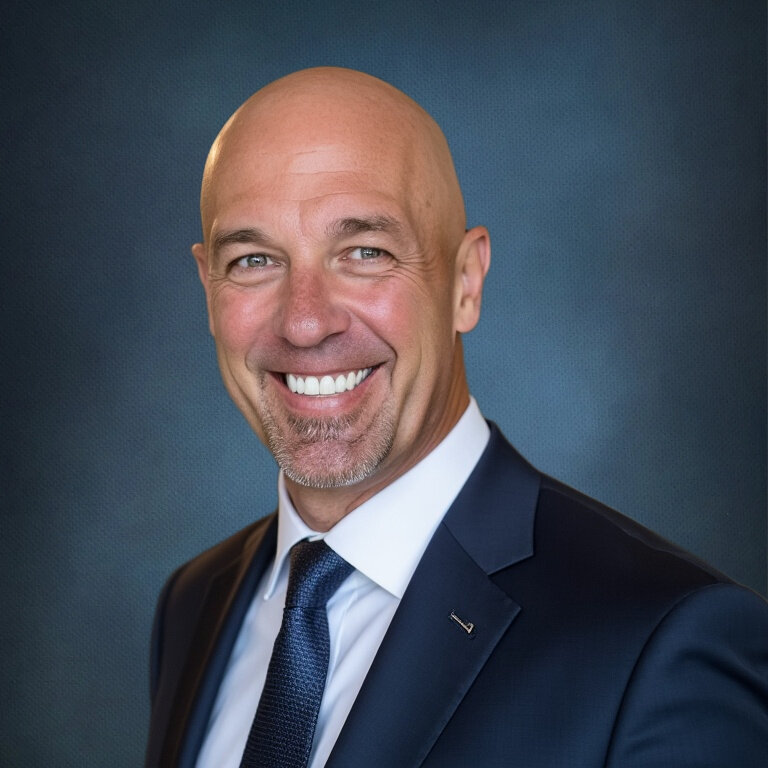
by Mitch Maley
With all of the hamfisted developer-sponsored bills our “representatives” in the Florida Legislature have filed this year, some have drawn a lot of attention, while others have largely flown under the radar. Let’s take a look at HB 399, one of the worst offenders that has somehow managed to escape the spotlight.
Rep. David Borrero (R-Hialeah), who filed the bill, explained to members of the Florida House of Representatives’ Housing, Agriculture, and Tourism Subcommittee this week that the bill has four key points:
Require local governments to clearly define compatibility factors in their comprehensive plans and land development regulations to give developers more “predictability”
Require local governments to ensure that costs associated with project reviews are “reasonably related” to the review work itself, rather than a percentage of the project cost or anticipated value
Require a state study on the impacts of removing urban development boundaries and other policies that limit development
Prevent local governments from requiring a supermajority to approve land-use changes
You can probably guess which one I am concerned with. If it came to fruition, the third element would mean that Manatee County’s efforts to address the disastrous 2.1.2.8 policy passed by the BOCC in 2021 and sold as only impacting a single development, Taylor Ranch, only to be quickly abused and essentially obliterate the FDAB, would be moot. That effort is already stalled by SB 180, but the disastrous elements of that bill could be mostly cured in this year’s session.
Manatee County established its Future Development Area Boundary in 1989 to adopt a planned growth strategy that would concentrate new housing development to the west while preserving agriculture and a rural lifestyle in its eastern hamlets. People could still build houses on land zoned for agriculture, but at a density of one home per five acres, and with the caveat that the county would not extend water and sewer to the homes.
The relatively minute demand (and investment appetite) for five-acre home sites connected to well water and septic tanks would naturally stem the development of our hinterlands, while providing assurances to those who had actively chosen a rural lifestyle that it would be maintained. Needless to say, greedy developers who found it much more profitable to pave over less costly green spaces than to do infill projects in the areas where the infrastructure already existed hated this policy.
Our east county community has been very clear regarding both their concerns over the flood impacts linked to such intense development and the lack of compatibility between these projects and their communities and the lifestyles they provide. Too often, however, our state legislators are stone-cold deaf to the will of their community while their ears remain keenly attuned to that of the special interests who put them in power and keep them there.
Rep. Bill Connerly, who ostensibly represents that part of the county, could not find the time or will to file a companion bill to SB 840, which was designed to cure SB 180. He knew it was preventing his county from restoring reasonable wetland policies that had been eviscerated by developer stooges on the previous board. But Connerly’s campaign was also largely financed by development interests, and he was busy filing a deeply unpopular bill that would remove county commission oversight at the port, which was ultimately pulled amid loud public outcry.
SB 208, the companion bill to HB 399 in the Senate, does not contain this troubling element regarding the FDAB. There is much to worry about in this legislative session, but I think it’s worth emailing your local legislators to tell them that Manatee County residents did not send them to Tallahassee to work for developers and against the reform of unsustainable growth policies that voters overwhelmingly chose in the last election.
Senator Jim Boyd: boyd.jim.web@flsenate.gov
Rep. Will Robinson: Will.Robinson@flhouse.gov
Rep. Bill Conerly: Bill.Conerly@flhouse.gov
Additionally, if you are a registered Republican in District 72, you’ll have a chance to replace Connerly in this year’s primary with a candidate who has been an advocate for sustainable growth and protecting rural lands in John “Captain” Phillips.
Dennis “Mitch” Maley is an editor and columnist for The Bradenton Times and the host of our weekly podcast. With over two decades of experience as a journalist, he has covered Manatee County government since 2010. He is a graduate of Shippensburg University and later served as a Captain in the U.S. Army. Click here for his bio. Mitch’s 2015 novel, A Long Road Home, was recently released in its third edition. His other books can be found here. He can be reached at editor@thebradentontimes.com.